What Makes Non-Woven Oil Filter Gasket Essential for Better Filtration Performance?
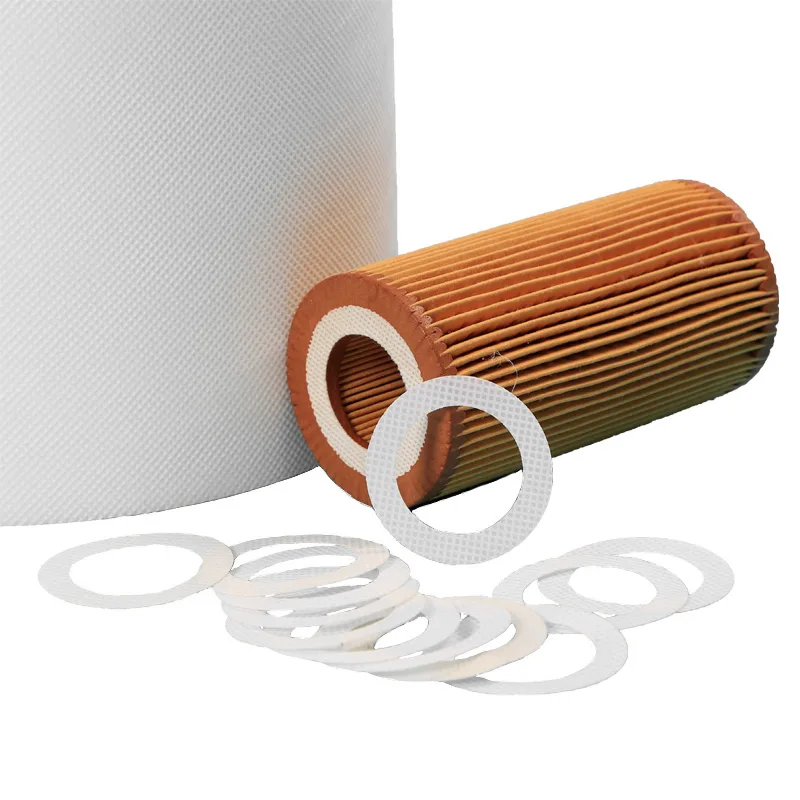
A Non-Woven Oil Filter Gasket plays a critical role in modern filtration systems by improving sealing performance, preventing oil leakage, and enhancing overall filter efficiency. This article explains the structure, benefits, applications, selection methods, and key considerations when choosing high-quality non-woven oil filter gaskets. It also helps manufacturers and buyers understand how the right gasket material can reduce maintenance costs and improve equipment reliability.
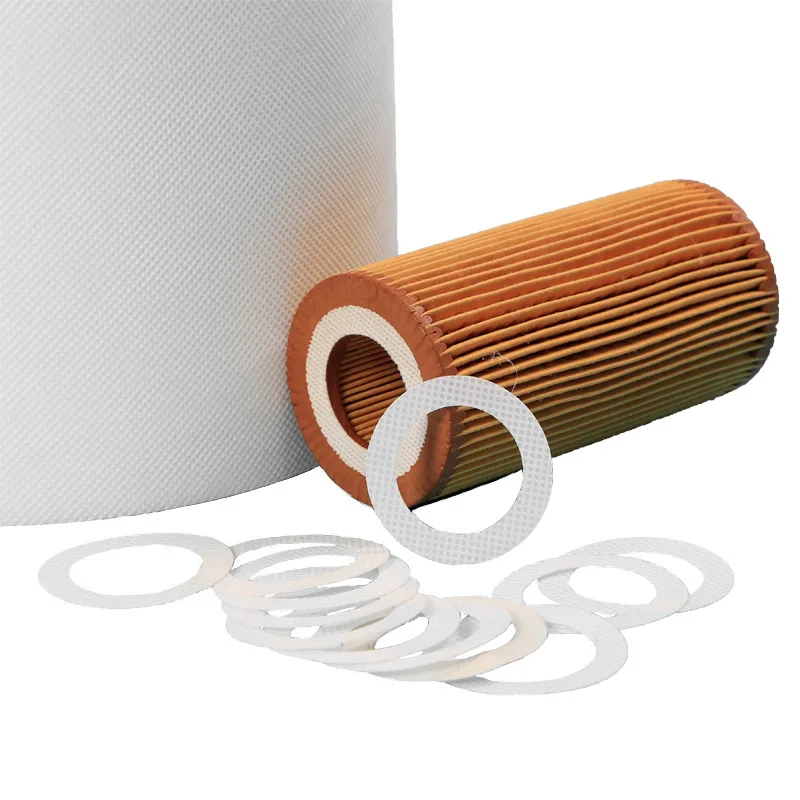
Table of Contents
- Introduction: Why Non-Woven Oil Filter Gasket Matters
- Understanding the Structure and Function of Non-Woven Oil Filter Gasket
- Key Advantages of Using Non-Woven Oil Filter Gasket
- Common Applications of Non-Woven Oil Filter Gasket
- How to Choose the Right Non-Woven Oil Filter Gasket
- Quality Factors That Influence Filter Gasket Performance
- Non-Woven Oil Filter Gasket vs Traditional Filter Sealing Materials
- Maintenance Tips for Longer Filter System Life
- Frequently Asked Questions
Introduction: Why Non-Woven Oil Filter Gasket Matters
Filtration systems are essential components in automotive, industrial, hydraulic, and mechanical equipment. A filter must not only capture unwanted particles but also maintain a reliable seal under pressure, temperature changes, and continuous operation. This is where a Non-Woven Oil Filter Gasket becomes an important solution.
Many filtration problems are not caused by the filter media itself but by poor sealing performance. Oil leakage, reduced filtration efficiency, contamination risks, and frequent replacement requirements often result from unsuitable gasket materials. A properly designed non-woven oil filter gasket provides a stable sealing layer between the filter element and housing, ensuring smooth operation and protecting expensive equipment.
With increasing demands for efficient machinery and longer service intervals, manufacturers are focusing more on advanced gasket materials. Non-woven materials have become popular because they offer excellent flexibility, chemical resistance, lightweight structure, and consistent manufacturing quality.
Biaodian Nonwovens technology Co., Ltd focuses on developing reliable non-woven material solutions that meet different filtration requirements. Through advanced production processes and material expertise, high-performance gasket products can support customers in improving filter durability and operational stability.
Understanding the Structure and Function of Non-Woven Oil Filter Gasket
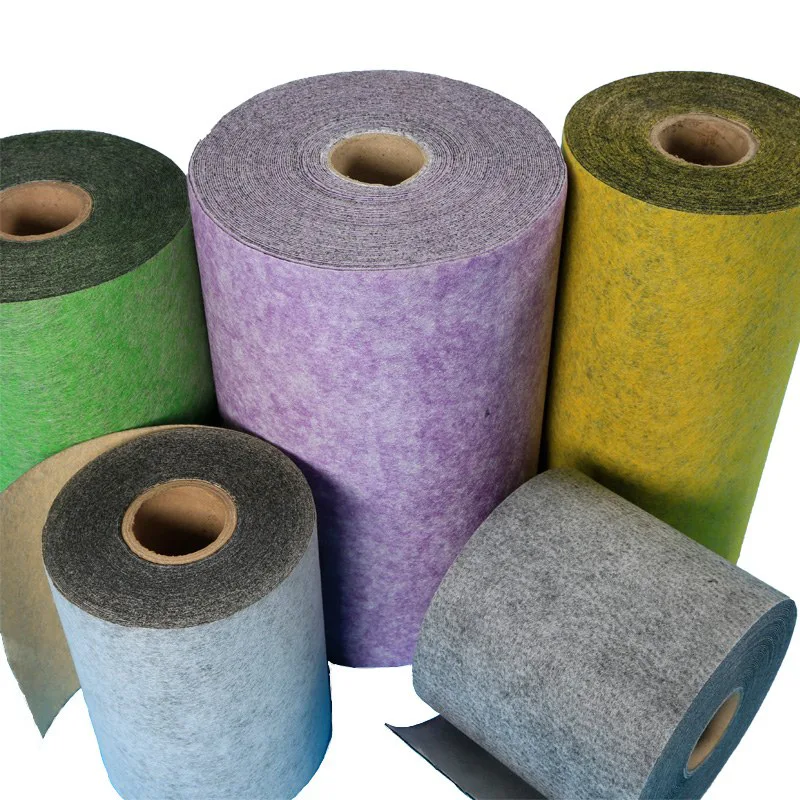
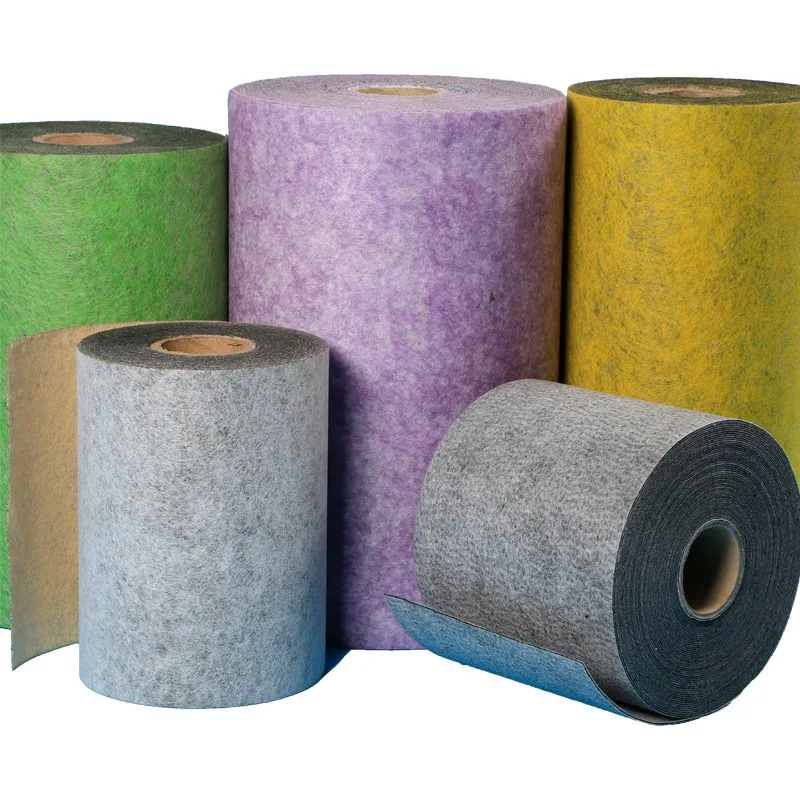
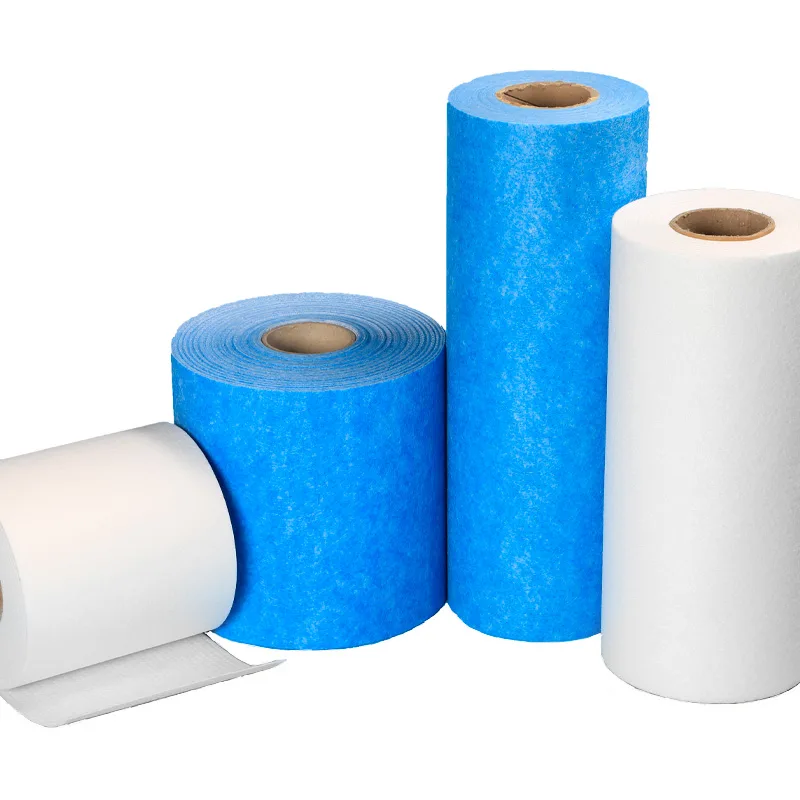
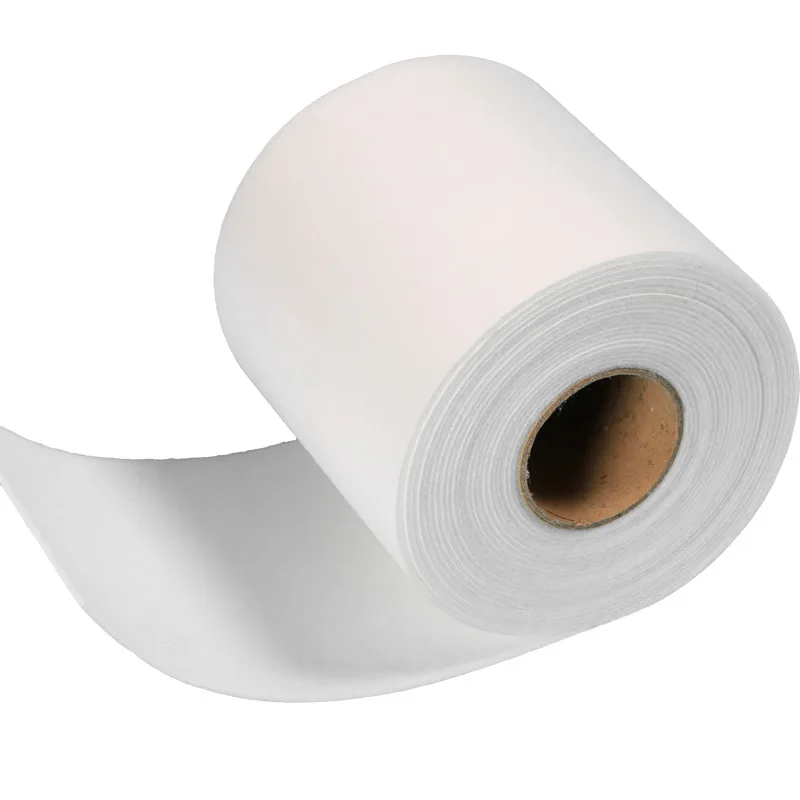
A Non-Woven Oil Filter Gasket is typically manufactured from specially engineered non-woven fabrics that are processed to achieve specific thickness, density, elasticity, and sealing properties. Unlike woven fabrics, non-woven materials are created by bonding fibers together through mechanical, thermal, or chemical methods.
This unique manufacturing structure allows the gasket to provide both flexibility and strength. During operation, the gasket compresses to fill small gaps between components, creating an effective barrier that prevents oil from escaping.
| Component Feature | Function | Customer Benefit |
|---|---|---|
| Non-woven fiber structure | Provides stable material strength | Longer service life |
| Elastic compression ability | Creates tight sealing contact | Reduces oil leakage risk |
| Oil-resistant properties | Maintains performance in oil environments | Improves equipment reliability |
| Customizable thickness | Fits different filter designs | Supports flexible production needs |
The main purpose of the gasket is not filtration itself but supporting the filtration process. Without proper sealing, even the highest-quality filter media may fail to deliver expected performance. Therefore, gasket selection is a key factor in complete filter design.
Key Advantages of Using Non-Woven Oil Filter Gasket
Choosing the right gasket material can significantly influence filtration efficiency and operating costs. Non-woven oil filter gaskets provide several advantages compared with ordinary sealing materials.
- Excellent Sealing Performance: The flexible fiber structure allows the gasket to adapt to different surfaces, reducing gaps and preventing oil leakage.
- High Oil Compatibility: Quality non-woven materials can maintain physical stability when exposed to lubricating oils, hydraulic fluids, and other industrial liquids.
- Lightweight and Flexible Design: The material is easy to process into various shapes and sizes, supporting customized filter solutions.
- Improved Durability: Strong fiber bonding helps the gasket maintain its structure during long-term operation.
- Cost Efficiency: Longer replacement cycles and reduced leakage problems help lower maintenance expenses.
For filter manufacturers, using reliable non-woven gasket materials also improves production consistency. A stable gasket structure helps reduce defective products and enhances customer satisfaction.
Common Applications of Non-Woven Oil Filter Gasket
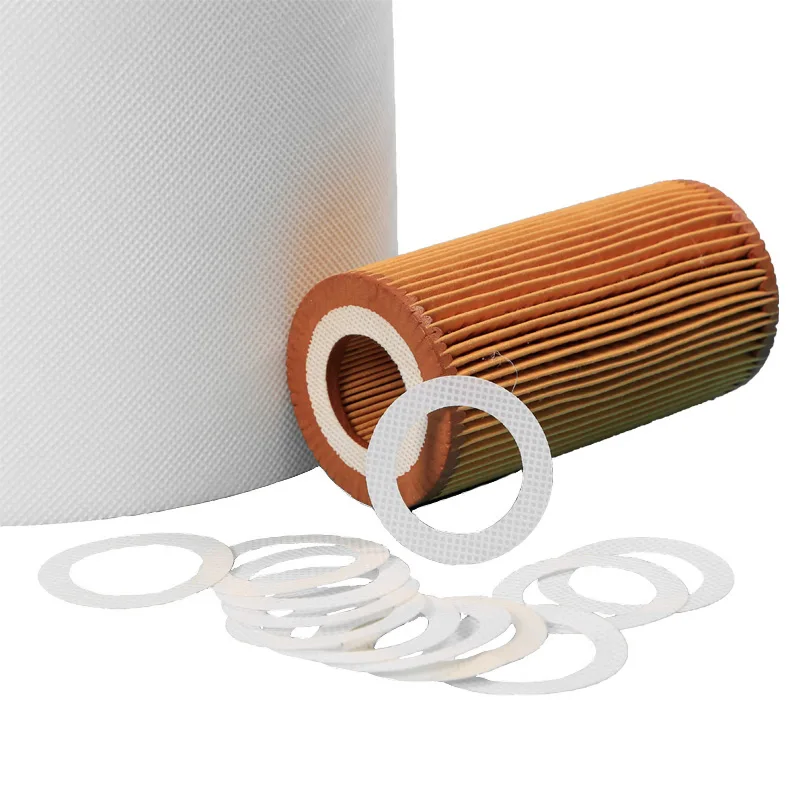
Non-Woven Oil Filter Gaskets are widely used across different industries where oil filtration and sealing reliability are important. Their versatility makes them suitable for both standard and customized filtration systems.
| Industry | Application | Performance Requirement |
|---|---|---|
| Automotive | Engine oil filters and fuel filtration systems | Heat resistance and reliable sealing |
| Industrial Machinery | Hydraulic and lubrication systems | Chemical resistance and durability |
| Heavy Equipment | Construction and mining equipment filters | High strength under harsh conditions |
| Manufacturing Systems | Industrial oil purification equipment | Stable long-term operation |
As equipment becomes more advanced, filtration components need to provide better performance under demanding conditions. Non-woven oil filter gaskets help manufacturers create more dependable filtration solutions for modern applications.
How to Choose the Right Non-Woven Oil Filter Gasket
Selecting a suitable Non-Woven Oil Filter Gasket requires careful consideration of application conditions, filter structure, and operating environment. A gasket that works well in one system may not provide the same performance in another application. Understanding key selection factors helps buyers avoid sealing failures and unnecessary maintenance costs.
Before choosing a gasket supplier or material, customers should evaluate several important aspects:
| Selection Factor | Why It Matters | Recommended Consideration |
|---|---|---|
| Material Compatibility | Different oils and fluids may affect gasket performance | Choose materials with suitable oil and chemical resistance |
| Operating Temperature | Extreme temperatures can change material properties | Select heat-resistant non-woven materials |
| Thickness and Density | Affects compression and sealing pressure | Match gasket specifications with filter design |
| Production Accuracy | Incorrect dimensions may cause leakage | Work with experienced manufacturers |
Customization is another important factor for industrial buyers. Different filter systems may require different shapes, sizes, densities, and compression levels. A professional non-woven manufacturer can provide customized solutions according to specific application requirements.
Quality Factors That Influence Filter Gasket Performance
The performance of a Non-Woven Oil Filter Gasket depends greatly on raw materials, manufacturing technology, and quality control processes. Even small differences in fiber structure or thickness accuracy can influence sealing reliability.
High-quality gasket production usually includes strict control over the following areas:
- Fiber Selection: Premium fibers provide better strength, flexibility, and resistance to environmental stress.
- Material Uniformity: Consistent fiber distribution ensures stable compression and predictable performance.
- Dimensional Precision: Accurate cutting and forming processes ensure the gasket fits perfectly into filter assemblies.
- Performance Testing: Testing procedures help verify durability, resistance, and sealing effectiveness before delivery.
- Manufacturing Experience: Professional production knowledge helps solve application-specific challenges.
For customers purchasing filtration materials in bulk, supplier reliability is as important as product specifications. A stable manufacturing partner can help maintain consistent product quality and reduce supply risks.
Non-Woven Oil Filter Gasket vs Traditional Filter Sealing Materials
Traditional sealing materials such as rubber, foam, and paper-based products have been widely used in filtration systems. However, non-woven materials offer unique advantages that make them increasingly popular for modern filter applications.
| Material Type | Advantages | Limitations |
|---|---|---|
| Non-Woven Oil Filter Gasket | Flexible structure, customizable thickness, good oil resistance, lightweight design | Requires proper material selection for special environments |
| Rubber Gasket | Good elasticity and sealing ability | May age or degrade under certain chemical conditions |
| Paper-Based Gasket | Low cost and easy processing | Lower durability in demanding applications |
| Foam Material | Good cushioning properties | May have limited oil and temperature resistance |
The increasing use of non-woven gasket materials reflects the industry's need for reliable, lightweight, and adaptable filtration components. For manufacturers seeking long-term performance, choosing the appropriate material is essential.
Maintenance Tips for Longer Filter System Life
Although a high-quality Non-Woven Oil Filter Gasket improves reliability, proper installation and maintenance are still necessary. Incorrect installation or unsuitable operating conditions may reduce gasket performance.
- Check Installation Position: Make sure the gasket is correctly aligned before assembling the filter system.
- Avoid Excessive Compression: Over-tightening may damage the gasket structure and reduce sealing efficiency.
- Replace Damaged Components: Inspect old gaskets during filter replacement and replace worn parts promptly.
- Choose Compatible Fluids: Confirm that operating oils or liquids are suitable for the gasket material.
- Follow Equipment Maintenance Schedules: Regular inspection helps identify potential leakage problems early.
Proper maintenance not only extends gasket service life but also protects the entire filtration system. Reliable sealing reduces contamination risks and helps machinery operate more efficiently.
Frequently Asked Questions
Q1: What is a Non-Woven Oil Filter Gasket used for?
A Non-Woven Oil Filter Gasket is used to create a secure sealing connection in oil filtration systems. It prevents leakage, improves filtration reliability, and supports stable equipment operation.
Q2: Why are non-woven materials suitable for oil filter gaskets?
Non-woven materials offer excellent flexibility, customizable thickness, stable fiber structure, and good resistance to oil environments, making them suitable for various filtration applications.
Q3: Can Non-Woven Oil Filter Gaskets be customized?
Yes. Manufacturers can customize dimensions, thickness, density, and material characteristics according to different filter designs and customer requirements.
Q4: How can I ensure the gasket quality before purchasing?
Customers should evaluate material quality, production capability, testing standards, customization experience, and supplier reliability before making a purchase decision.
Q5: What industries commonly use Non-Woven Oil Filter Gaskets?
They are widely used in automotive systems, industrial machinery, hydraulic equipment, heavy-duty machines, and oil filtration applications.
Conclusion
A reliable Non-Woven Oil Filter Gasket is an essential component for achieving efficient filtration, preventing oil leakage, and improving equipment durability. Compared with traditional sealing solutions, non-woven gasket materials provide excellent flexibility, stable performance, and customization possibilities.
For businesses that require dependable filtration components, selecting an experienced manufacturer is a key step toward improving product quality and reducing operational challenges. Biaodian Nonwovens technology Co., Ltd provides professional non-woven material solutions designed to meet diverse filtration requirements and support customers with consistent product performance.
Looking for a reliable Non-Woven Oil Filter Gasket solution?
Biaodian Nonwovens technology Co., Ltd is committed to providing high-quality non-woven products with customized options, stable manufacturing capabilities, and professional support. Whether you need standard filter gasket materials or customized solutions for special applications, our team can help you find the right option. Contact us today to discuss your requirements and discover how our non-woven technology can improve your filtration performance.
Related News
- What Makes a Non-Woven Oil Filter Gasket Reliable for Demanding Filtration Applications?
- What Makes a Cabin Filter Fleece Band Essential for Reliable Filter Construction?
- How Does Diesel Filter Media Improve Fuel Filtration Performance?
- How Does Carbon Canister Filter Media Improve Odor and Contaminant Control?
- What Makes PP Air Filter Media Effective for Modern Air Filtration?
- How Does Particulate Cabin Filter Media Improve Vehicle Air Quality and Driving Comfort?
Leave me a message