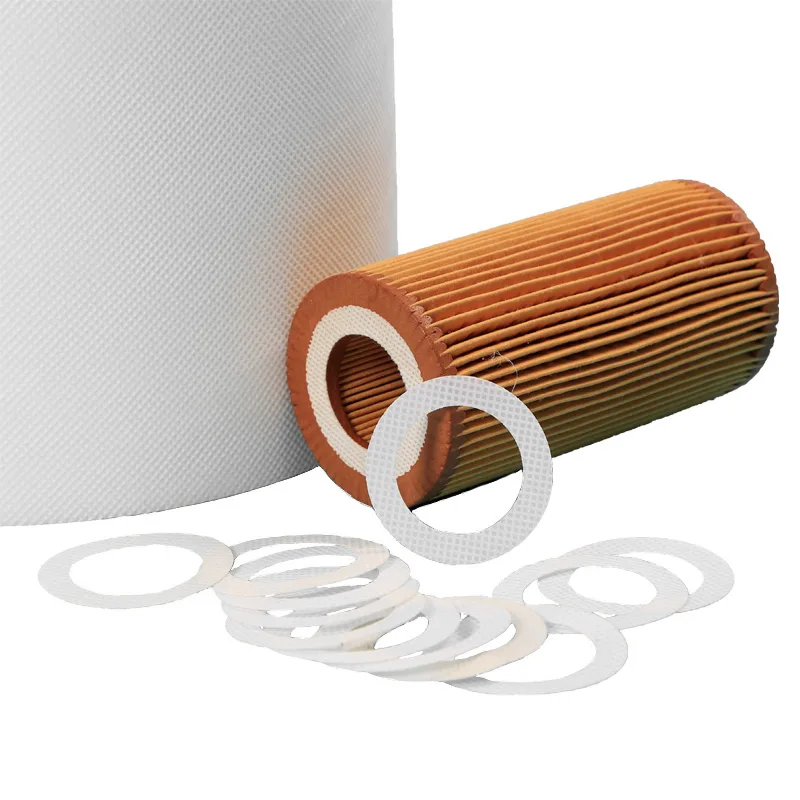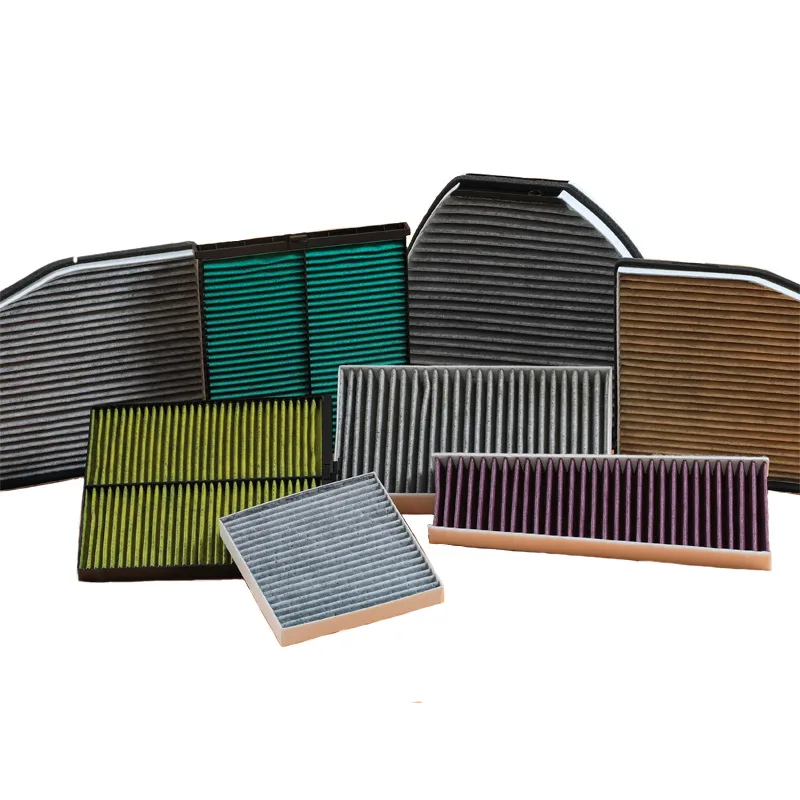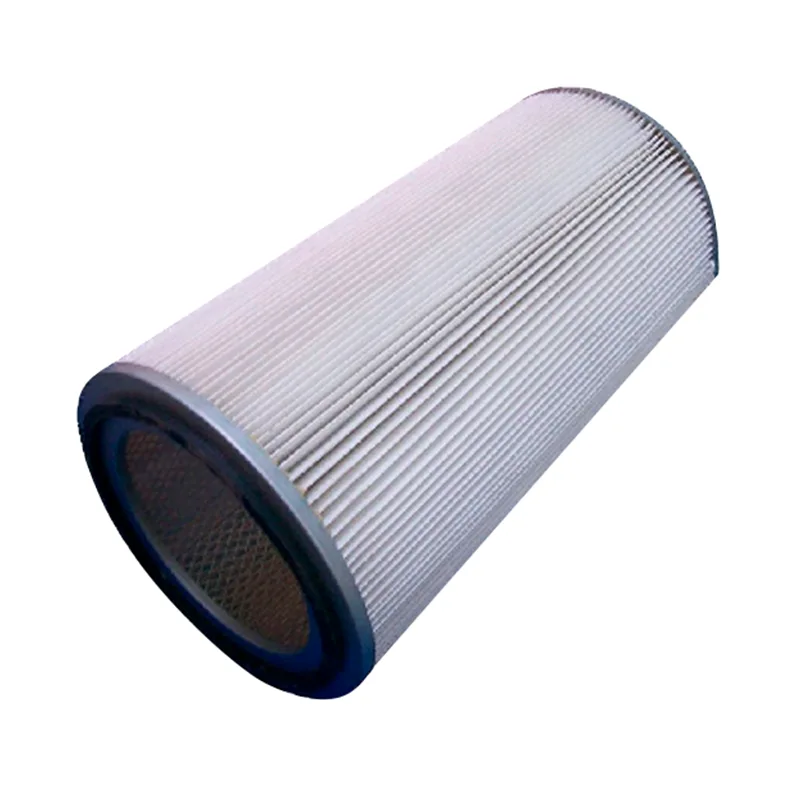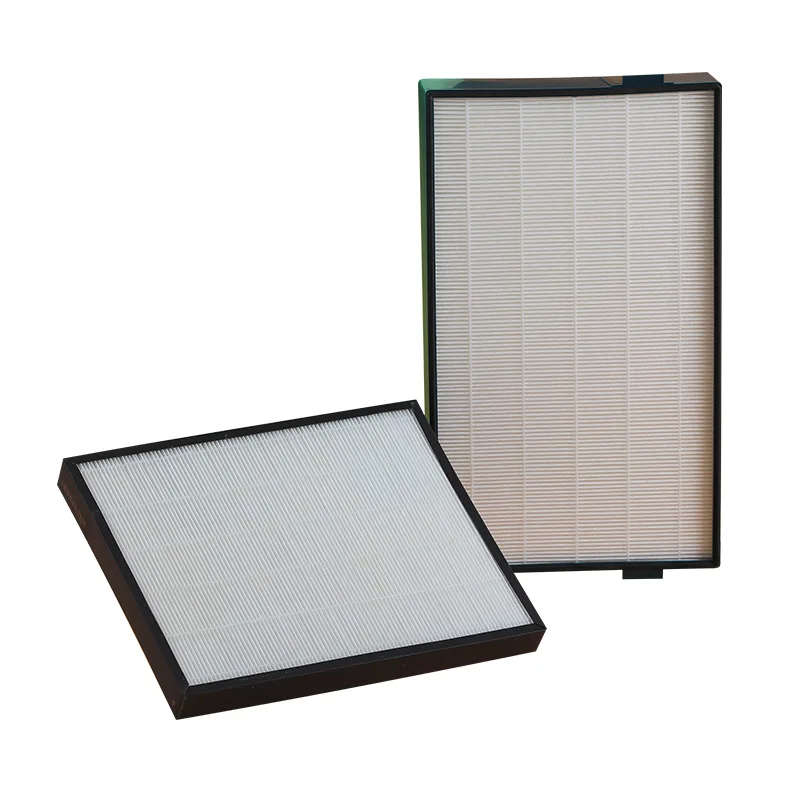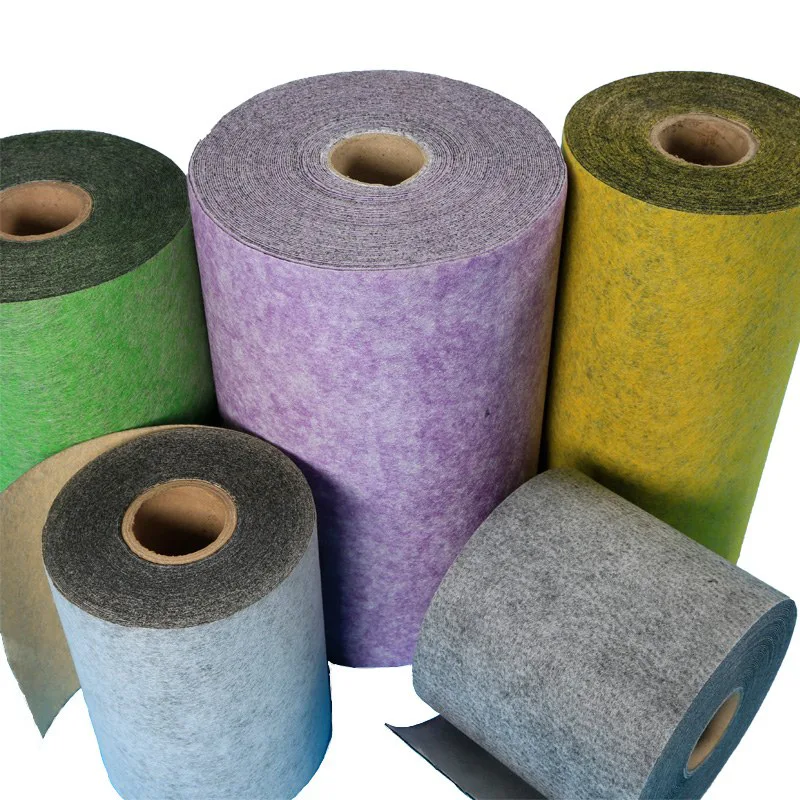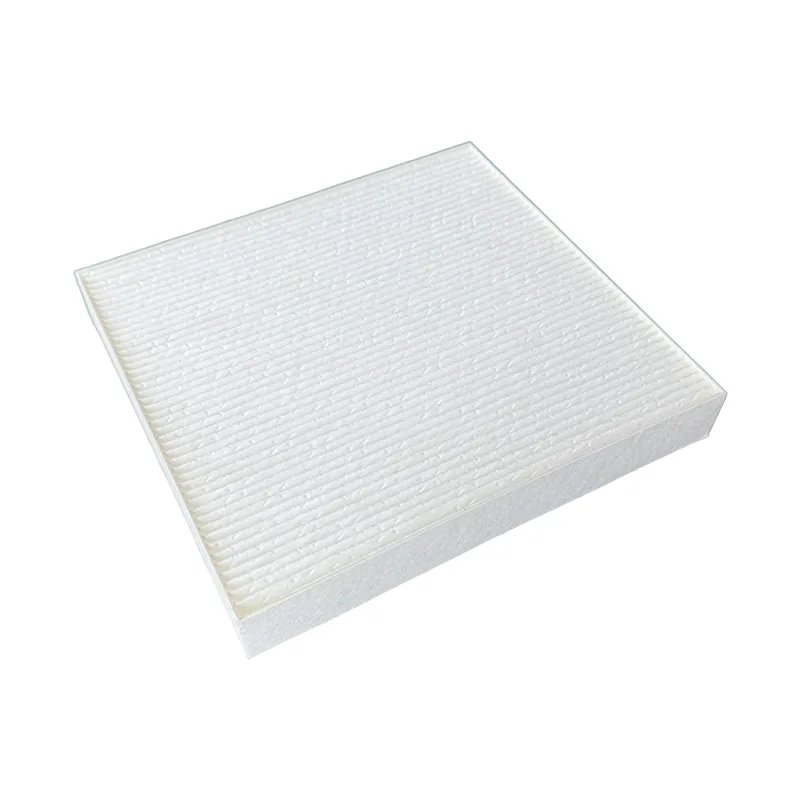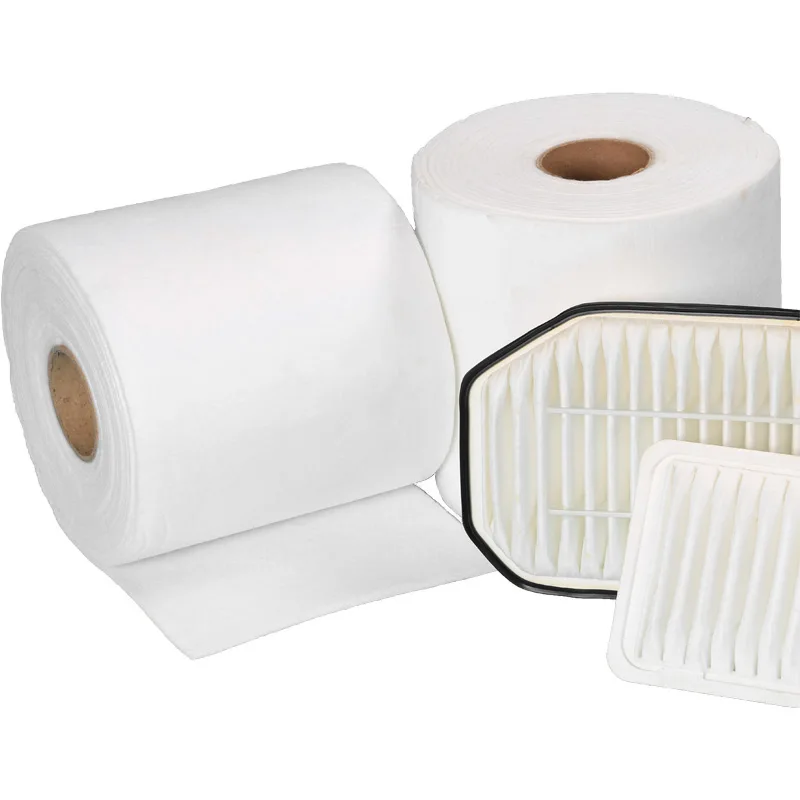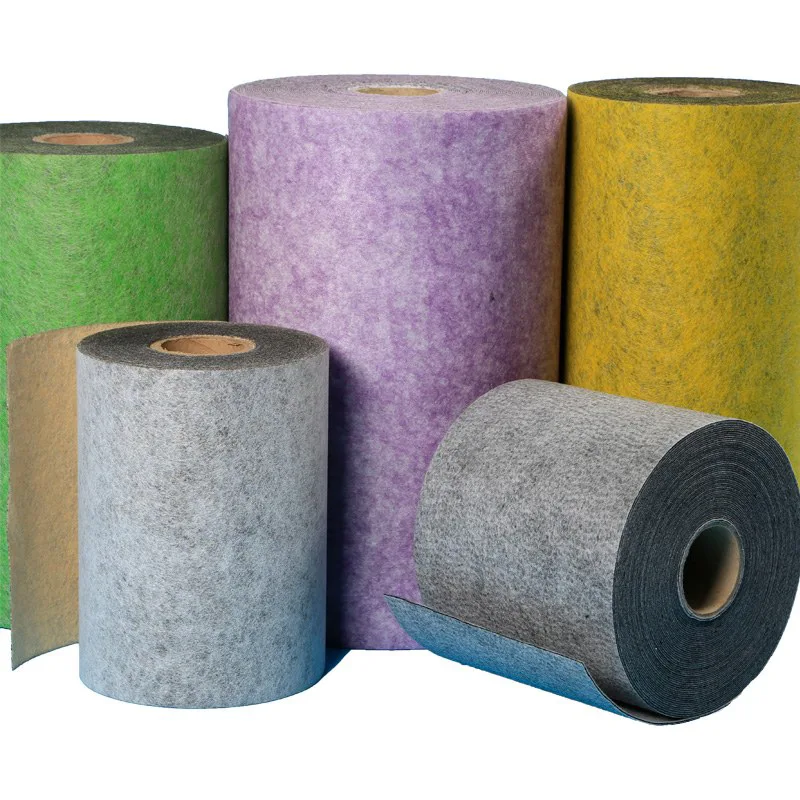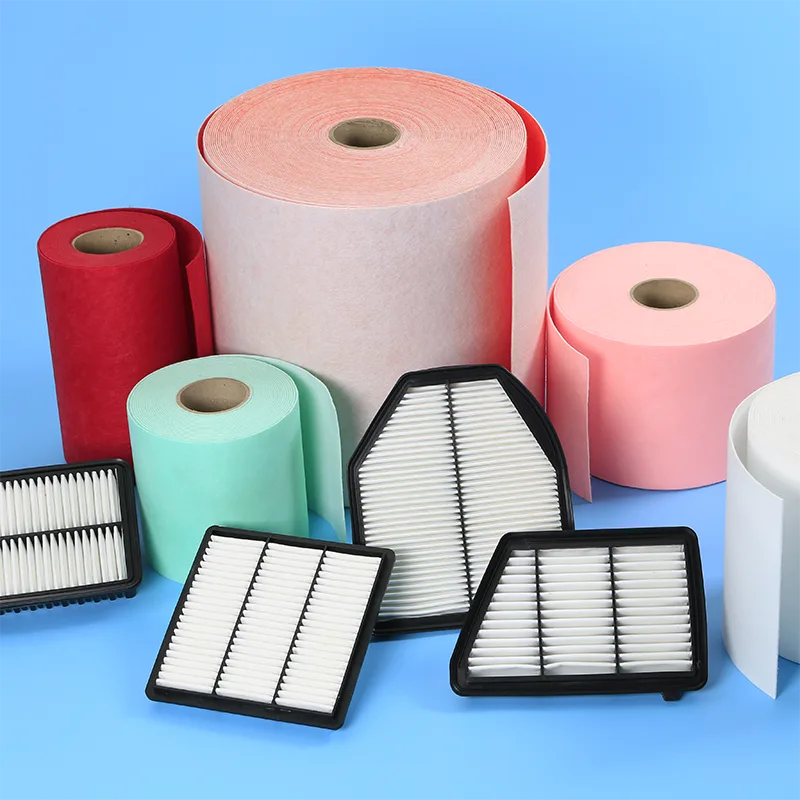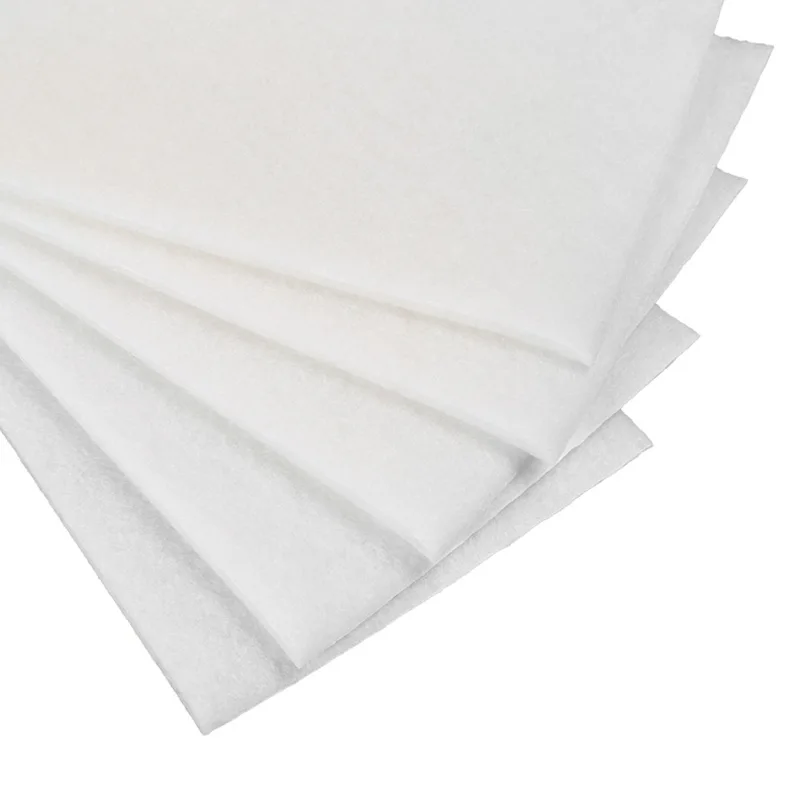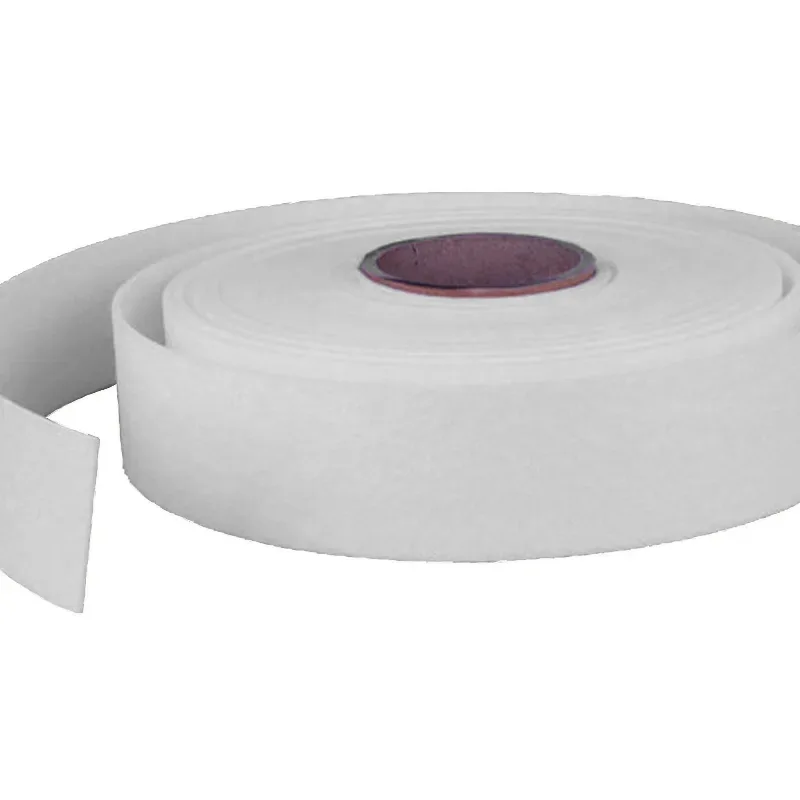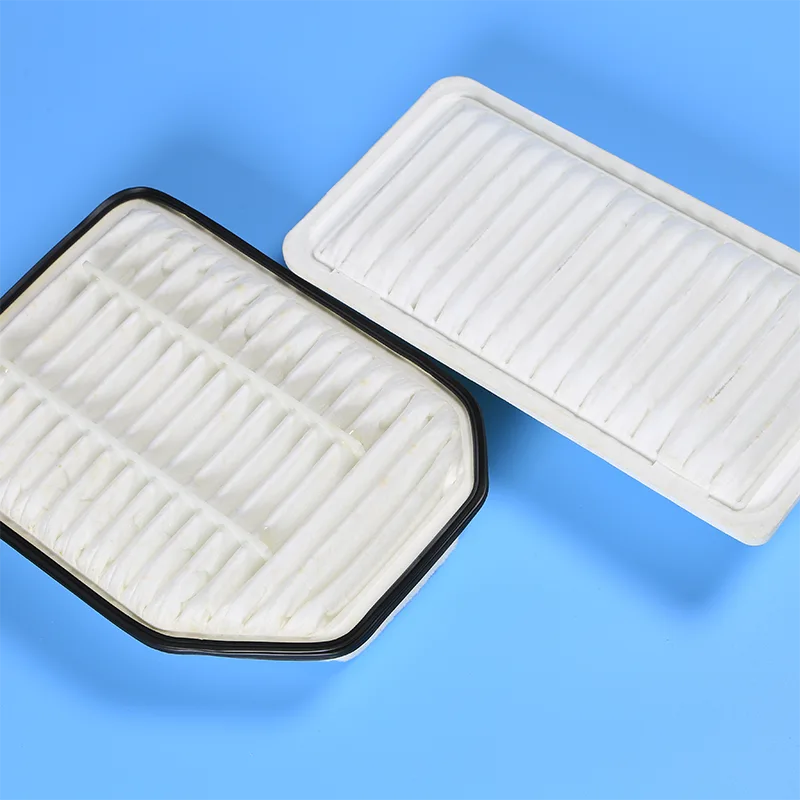
With increasing concerns about air pollution, allergens, and harmful airborne particles, vehicle interior air quality has become a major priority for automobile manufacturers and drivers. Particulate Cabin Filter Media plays a critical role in modern automotive filtration systems by capturing dust, pollen, soot, and other microscopic contaminants before they enter the passenger compartment. This article explains how particulate cabin filter media works, why it matters, the common challenges faced by buyers, and how advanced filtration materials help create cleaner and healthier driving environments.
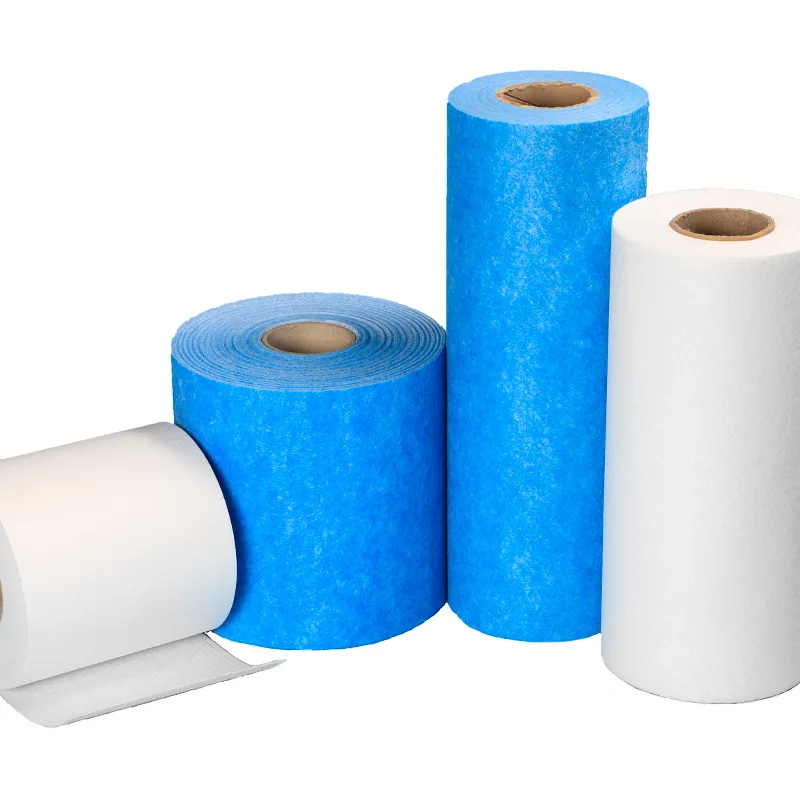
Table of Contents
- 1. Why Is Particulate Cabin Filter Media Important for Modern Vehicles?
- 2. How Does Particulate Cabin Filter Media Work?
- 3. What Makes High-Quality Cabin Filter Media Different?
- 4. Key Benefits of Using Advanced Particulate Cabin Filter Media
- 5. How to Select the Right Particulate Cabin Filter Media?
- 6. Applications and Market Demand of Cabin Filter Materials
- 7. Future Trends of Automotive Filtration Materials
- 8. Frequently Asked Questions About Particulate Cabin Filter Media
Why Is Particulate Cabin Filter Media Important for Modern Vehicles?
The cabin environment of a vehicle is a relatively enclosed space where passengers may spend hours every day. Without an effective filtration system, pollutants from roads, industrial areas, and traffic emissions can easily enter the vehicle through the ventilation system. These airborne contaminants may include fine dust particles, pollen, smoke particles, and other impurities that affect passenger comfort and air freshness.
Particulate Cabin Filter Media is designed specifically to solve this challenge. Installed inside automotive cabin air filters, this specialized material acts as a protective barrier between outdoor air and vehicle occupants. It helps reduce the concentration of unwanted particles while allowing sufficient airflow to maintain efficient climate control performance.
For automobile manufacturers, filter material suppliers, and replacement filter producers, choosing reliable cabin filter media directly influences product quality, customer satisfaction, and long-term vehicle performance.
| Common Air Contaminants | Potential Impact | Role of Cabin Filter Media |
|---|---|---|
| Road dust | Reduces interior air cleanliness and comfort | Captures airborne dust particles effectively |
| Pollen and allergens | May cause discomfort for sensitive passengers | Helps improve cabin air conditions |
| Industrial particles | Can affect air freshness | Provides filtration protection |
| Vehicle exhaust particles | Creates unpleasant interior environments | Reduces particle entry through ventilation systems |
How Does Particulate Cabin Filter Media Work?
The working principle of particulate cabin filter media is based on advanced filtration technology. When outside air enters the vehicle ventilation system, it passes through multiple layers of filtration material. The fiber structure inside the media creates a network that traps unwanted particles while maintaining smooth airflow.
High-performance filter media usually combines optimized fiber diameter, controlled air permeability, and stable mechanical strength. These characteristics allow the material to achieve efficient particle capture without creating excessive resistance that could reduce ventilation efficiency.
Different filtration mechanisms contribute to overall performance:
- Mechanical filtration: Fibers physically block and capture larger particles such as dust and pollen.
- Interception: Small particles following airflow paths come into contact with fibers and become trapped.
- Diffusion: Very fine particles move randomly and collide with filter fibers.
- Electrostatic attraction: Some advanced materials use electrostatic effects to improve particle capture efficiency.
A well-designed particulate cabin filter media solution balances filtration efficiency and airflow resistance. This balance is essential because a filter that blocks too much airflow may reduce air conditioning performance, while a filter with insufficient density may fail to provide effective protection.
What Makes High-Quality Cabin Filter Media Different?
Not all filtration materials provide the same level of performance. The quality of particulate cabin filter media depends on several important factors, including fiber technology, manufacturing precision, material consistency, and application requirements.
| Performance Factor | Why It Matters |
|---|---|
| Particle filtration efficiency | Determines how effectively contaminants are removed from incoming air |
| Air permeability | Ensures comfortable airflow and efficient vehicle ventilation |
| Mechanical strength | Supports stable performance during transportation and operation |
| Material uniformity | Provides consistent filtration quality across production batches |
| Environmental resistance | Helps maintain performance under different temperature and humidity conditions |
For manufacturers purchasing filter media in bulk, material reliability is often one of the biggest concerns. Inconsistent quality can lead to production problems, customer complaints, and increased replacement costs. Therefore, professional suppliers must focus on strict quality control and continuous improvement of material technology.
Biaodian Nonwovens technology Co., Ltd focuses on developing advanced nonwoven solutions that support various filtration applications, including automotive cabin filtration materials. Through material innovation and manufacturing expertise, reliable filtration performance can be achieved for different market requirements.
Key Benefits of Using Advanced Particulate Cabin Filter Media
Choosing suitable particulate cabin filter media provides multiple advantages for vehicle manufacturers, filter producers, and end users. Advanced filtration materials improve not only air quality but also overall driving experience.
- Improved passenger comfort: Cleaner cabin air creates a more pleasant environment for drivers and passengers.
- Better protection against airborne particles: Effective filtration reduces the amount of dust and pollutants entering the vehicle.
- Stable ventilation performance: High-quality materials maintain airflow efficiency while providing strong filtration.
- Longer filter service life: Durable media structures help maintain performance during extended usage.
- Support for modern automotive requirements: Advanced cabin filtration solutions meet increasing demands for healthier vehicle interiors.
How to Select the Right Particulate Cabin Filter Media?
Selecting the right particulate cabin filter media requires careful consideration of filtration performance, application requirements, and production expectations. For manufacturers and distributors, the material choice directly affects the quality and competitiveness of finished cabin filters.
Before purchasing filter media, buyers should evaluate several important aspects:
- Filtration efficiency requirements: Different vehicles and operating environments may require different levels of particle removal performance.
- Airflow balance: The selected material should provide effective filtration while allowing sufficient air circulation through the HVAC system.
- Material durability: Strong fiber bonding and stable structure help maintain performance throughout the filter's service period.
- Production compatibility: The media should be suitable for cutting, folding, pleating, and other manufacturing processes.
- Supply consistency: Reliable suppliers should provide stable quality and consistent material specifications for large-scale production.
Many buyers face challenges when choosing filtration materials, especially when comparing different suppliers. Common concerns include unstable quality, insufficient filtration performance, unclear technical specifications, and difficulty maintaining production efficiency.
A professional cabin filter media supplier should provide not only products but also technical support, customized solutions, and dependable manufacturing capability. This helps customers reduce risks and improve final product performance.
Applications and Market Demand of Cabin Filter Materials
The demand for particulate cabin filter media continues to grow as vehicle owners become more aware of interior air quality. Modern transportation systems increasingly require efficient filtration solutions to create safer and more comfortable environments.
The material is widely used in different automotive applications, including:
| Application Area | Filtration Purpose |
|---|---|
| Passenger cars | Improves cabin air cleanliness for daily driving |
| Commercial vehicles | Supports comfortable environments for long-distance transportation |
| Electric vehicles | Provides additional air protection for modern vehicle interiors |
| Luxury vehicles | Enhances passenger comfort through improved air filtration |
| Automotive replacement filters | Provides reliable aftermarket filtration solutions |
The rapid development of electric vehicles and smart transportation systems has further increased expectations for cabin air management. Since electric vehicles often operate with quieter cabins, passengers may become more sensitive to air quality and interior comfort.
As a result, high-performance particulate cabin filter media has become an essential component in automotive filtration systems rather than simply an optional accessory.
Future Trends of Automotive Filtration Materials
The automotive filtration industry is continuously evolving with advancements in material science and changing consumer expectations. Future particulate cabin filter media solutions are expected to focus on higher efficiency, sustainability, and multifunctional performance.
- More efficient particle capture: New fiber technologies will continue improving filtration performance while maintaining excellent airflow.
- Environmentally friendly materials: Manufacturers are exploring recyclable and sustainable nonwoven materials to reduce environmental impact.
- Multifunctional filtration systems: Future cabin filters may combine particulate filtration with additional air purification technologies.
- Customized filtration solutions: Different vehicle types and regional environments will require more specialized material designs.
- Higher manufacturing standards: Quality control and production precision will become increasingly important for global automotive suppliers.
Companies that invest in advanced filtration material development will be better positioned to meet future market demands. Reliable material suppliers will play an important role in helping automotive manufacturers create healthier and more comfortable vehicle environments.
Why Choose Professional Particulate Cabin Filter Media Suppliers?
For businesses purchasing automotive filtration materials, supplier selection is just as important as product performance. A dependable supplier should have strong manufacturing capabilities, technical experience, and the ability to provide customized solutions.
Biaodian Nonwovens technology Co., Ltd specializes in innovative nonwoven material solutions and provides reliable filtration materials for different industrial applications. With a focus on quality control, material development, and customer requirements, the company helps partners achieve stable and efficient filtration production.
By combining advanced manufacturing technology with professional service, Biaodian Nonwovens technology Co., Ltd aims to support customers in developing high-quality filtration products that meet changing market expectations.
- Professional experience in nonwoven material production
- Focus on consistent product quality and performance
- Flexible solutions for different filtration applications
- Commitment to customer satisfaction and long-term cooperation
Frequently Asked Questions About Particulate Cabin Filter Media
What is particulate cabin filter media?
Particulate cabin filter media is a specialized filtration material used in automotive cabin air filters. It captures airborne particles such as dust, pollen, and other contaminants before they enter the vehicle interior.
Why is cabin filter media important for vehicles?
Cabin filter media helps improve interior air quality by reducing unwanted particles entering through the ventilation system. It contributes to a cleaner and more comfortable driving environment.
What materials are commonly used for cabin filter media?
Common materials include various types of nonwoven fibers designed for filtration applications. Different fiber structures provide different levels of filtration efficiency, airflow performance, and durability.
How often should cabin filters be replaced?
Replacement frequency depends on vehicle usage, environmental conditions, and manufacturer recommendations. Vehicles operating in dusty or polluted areas may require more frequent replacement.
How can manufacturers ensure stable filter quality?
Manufacturers can improve product reliability by selecting experienced suppliers, using consistent raw materials, and applying strict quality control throughout production.
Can particulate cabin filter media be customized?
Yes. Professional suppliers can provide customized solutions based on filtration requirements, processing methods, and specific customer applications.
Contact Biaodian Nonwovens technology Co., Ltd for Advanced Filtration Solutions
Choosing reliable particulate cabin filter media is essential for producing high-performance automotive filters and improving vehicle air quality. With professional material expertise and advanced nonwoven technology, Biaodian Nonwovens technology Co., Ltd provides dependable solutions for customers seeking stable, efficient, and customized filtration materials.
If you are looking for high-quality particulate cabin filter media or want to discuss customized filtration material solutions, please contact us today. Biaodian Nonwovens technology Co., Ltd is ready to support your business with professional service, reliable products, and long-term cooperation opportunities.
Contact us to learn more about our filtration material solutions and discover how we can help improve your cabin filter production performance.