

Industry News
 2026-11-11
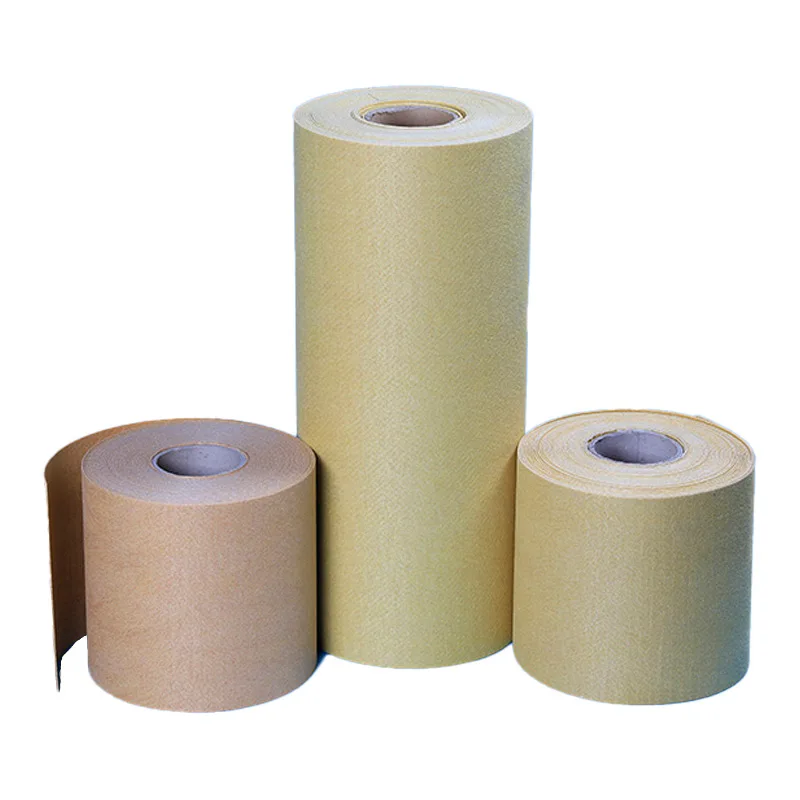
What Makes Gearbox Filter Media Essential for Reliable Lubrication Systems?
Gearbox filter media plays a critical role in maintaining lubricant cleanliness, protecting precision components, and extending equipment service life. From industrial gearboxes and wind turbines to heavy-duty machinery, the right filtration material helps control particles, reduce abrasive wear, and maintain consistent oil flow.
 2026-10-09
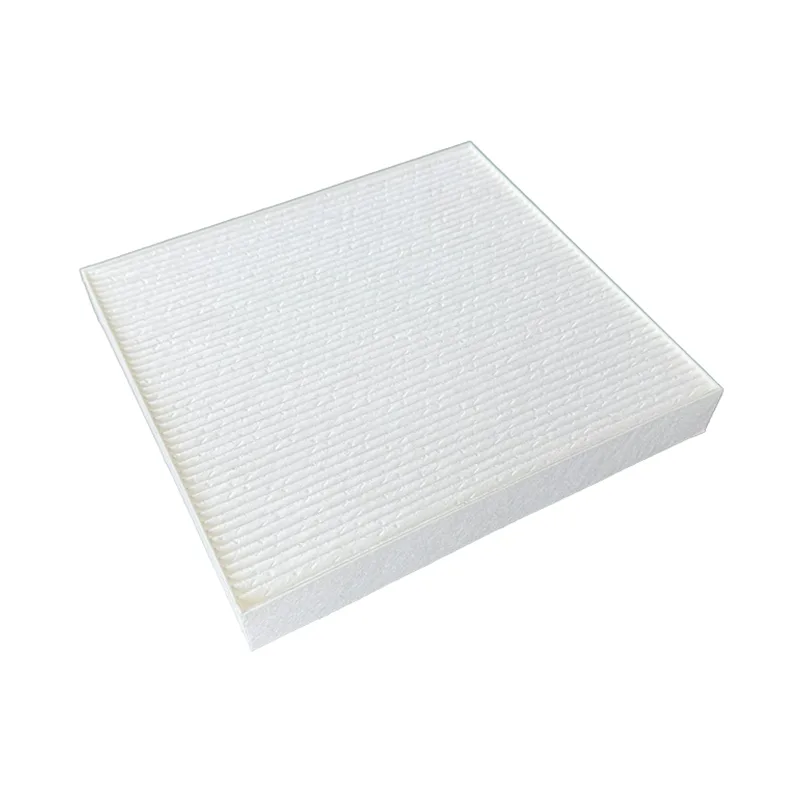
How Anti-allergy Cabin Filter Supports Healthier In-Car Air Quality
Anti-allergy Cabin Filter supports healthier in-car air quality by helping capture airborne particles such as pollen, dust, and selected fine particulate matter. This article explores nonwoven filter media, filtration efficiency, airflow resistance, seasonal allergen control, and maintenance considerations in modern automotive HVAC systems.
 2026-09-22
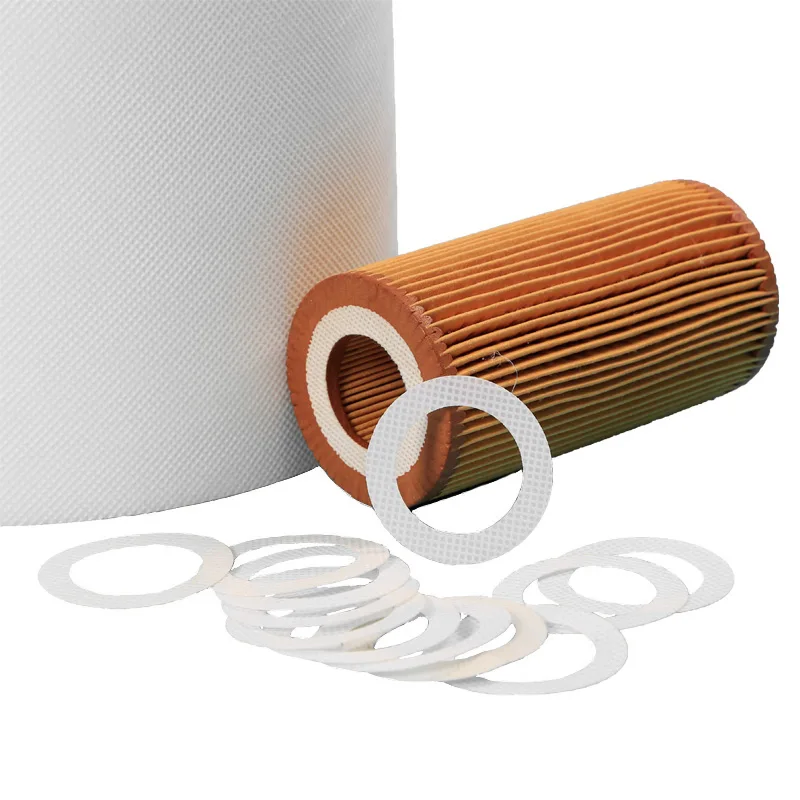
What Makes a Non-Woven Oil Filter Gasket Reliable for Demanding Filtration Applications?
A Non-Woven Oil Filter Gasket is more than a simple sealing component. It must maintain dimensional stability, resist prolonged oil exposure, tolerate temperature fluctuations, and remain securely positioned inside an oil filter assembly. This guide explains how non-woven gasket materials work, which performance factors matter during purchasing, common application challenges, quality checkpoints, customization considerations, and how buyers can select a reliable solution for automotive and industrial filtration systems.
 2026-09-17
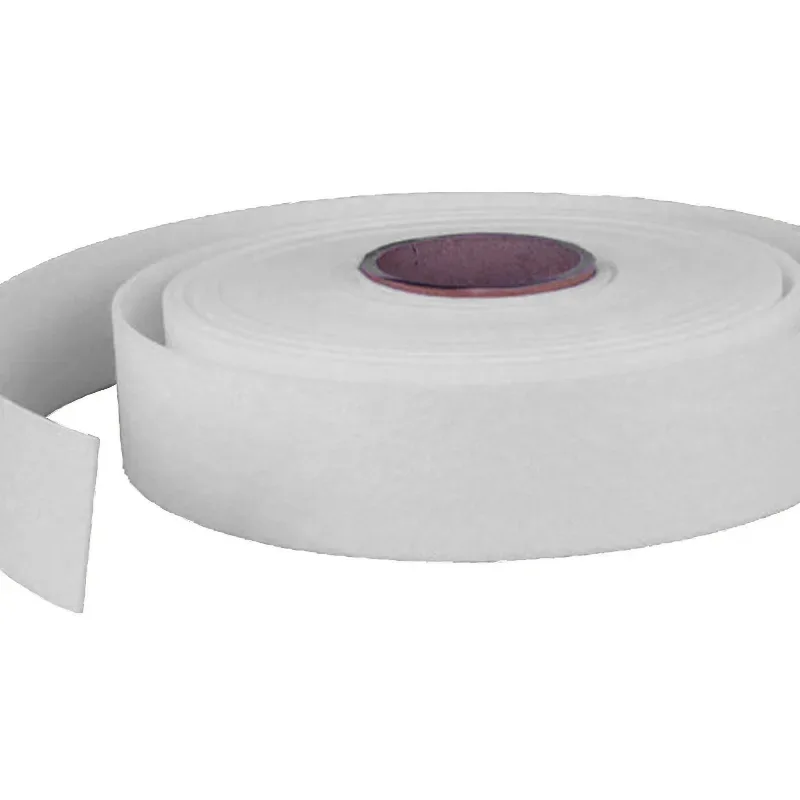
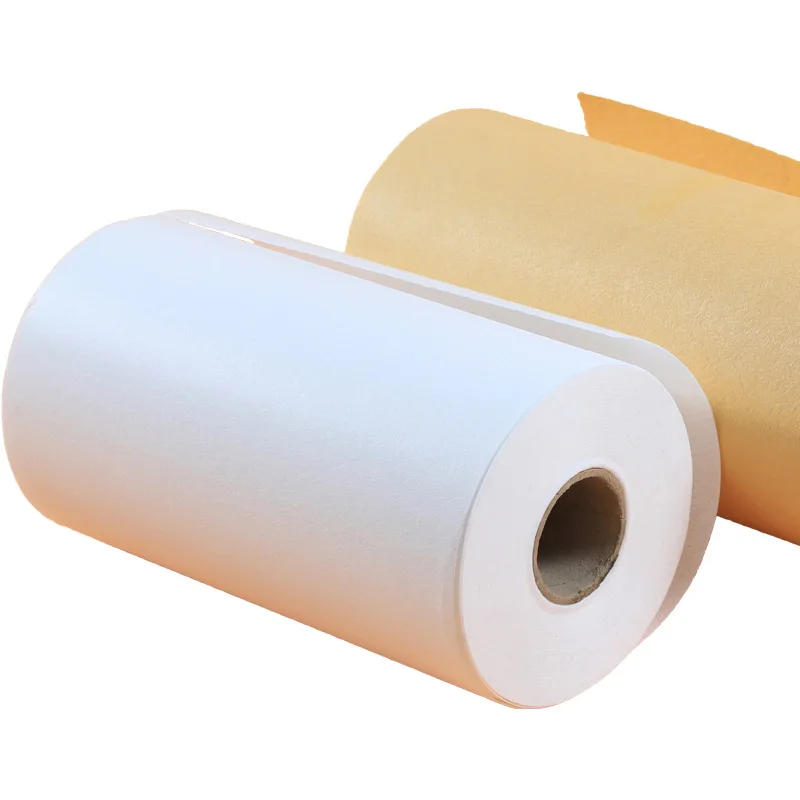
What Makes a Cabin Filter Fleece Band Essential for Reliable Filter Construction?
A cabin air filter is more than a pleated sheet of filtration media. Its structure must remain stable during assembly, transportation, installation, vibration, and continuous airflow. A Cabin Filter Fleece Band provides an important structural function by helping secure the edges of the filter media and maintain the intended geometry of the filter pack.
 2026-09-09
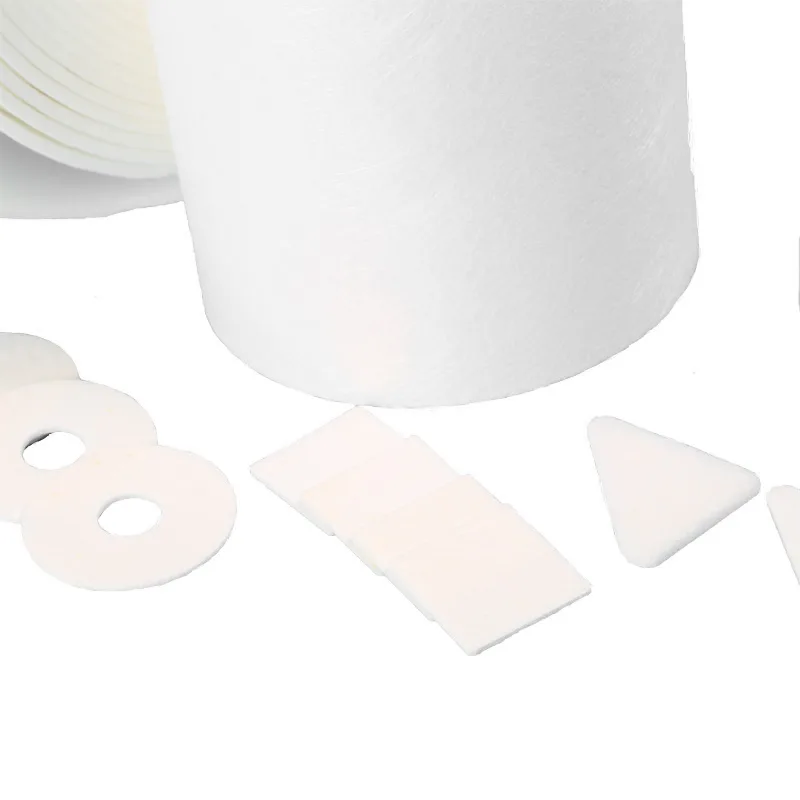
How Does Diesel Filter Media Improve Fuel Filtration Performance?
Diesel fuel filtration is a critical part of protecting modern engines, fuel injection systems, pumps, and other precision components from contaminants. The quality of the diesel filter media directly affects how effectively a filter captures particles, separates water, maintains fuel flow, and performs throughout its service life.
 2026-09-01
How Does Carbon Canister Filter Media Improve Odor and Contaminant Control?
Carbon canister filter media is designed to capture unwanted gases, vapors, and odors through adsorption. Unlike conventional particle filters, which primarily remove dust and suspended particles, activated carbon-based media targets gaseous pollutants at the molecular level. Its effectiveness depends on carbon quality, surface area, pore structure, media thickness, airflow, humidity, contaminant concentration, and contact time.