Email Us

3L@3L.GD.CN

News

What Makes PP Air Filter Media Effective for Modern Air Filtration?

2026-08-24 0 Leave me a message

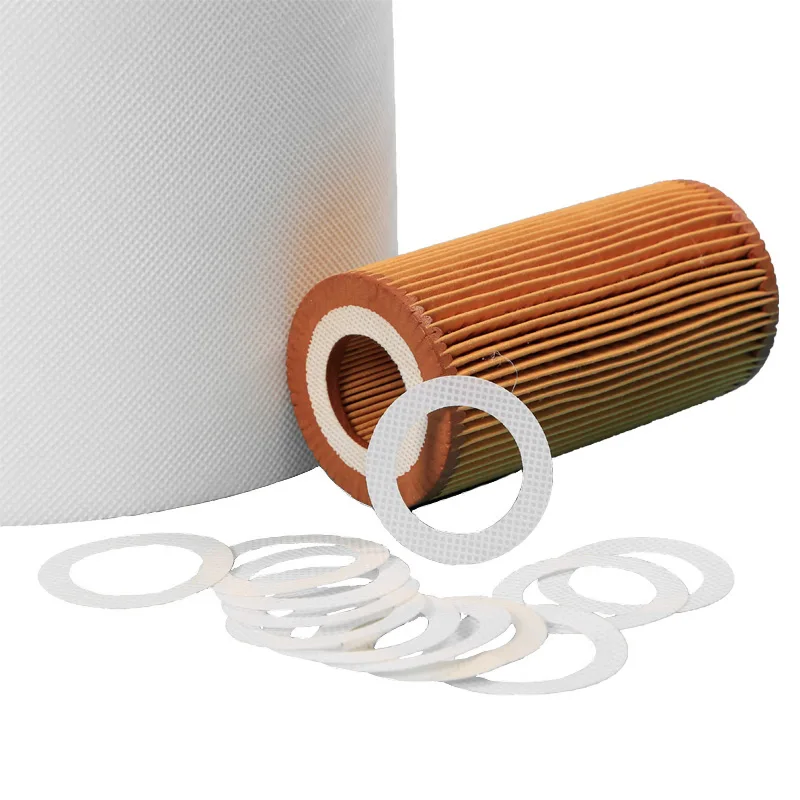
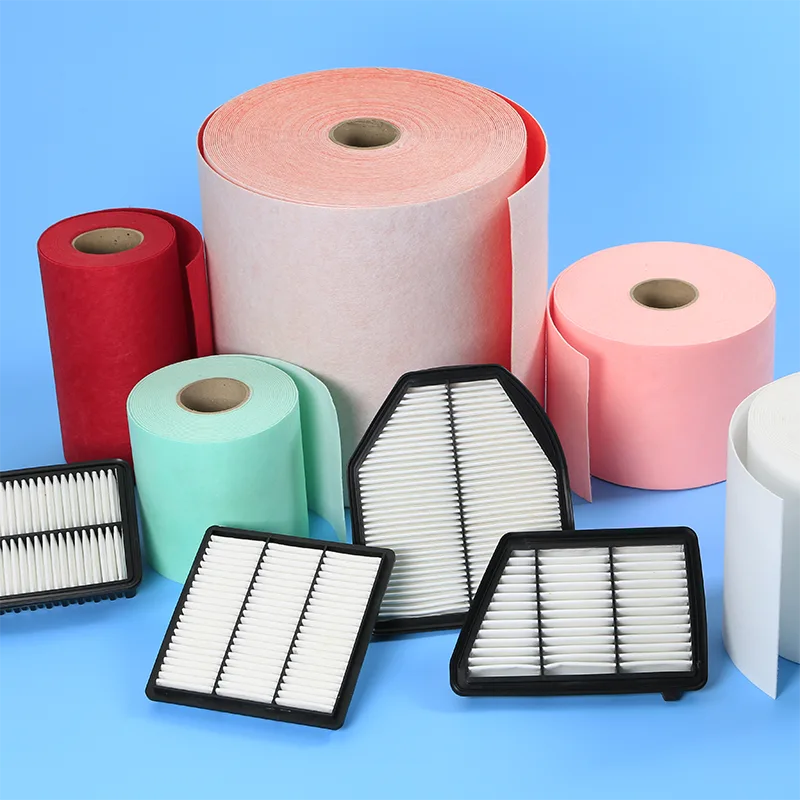
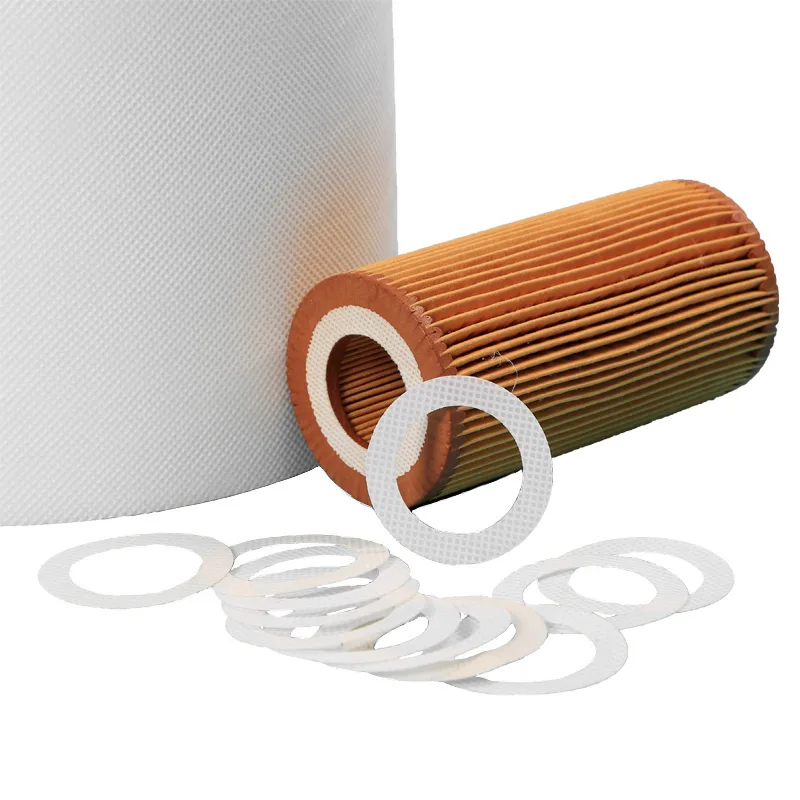
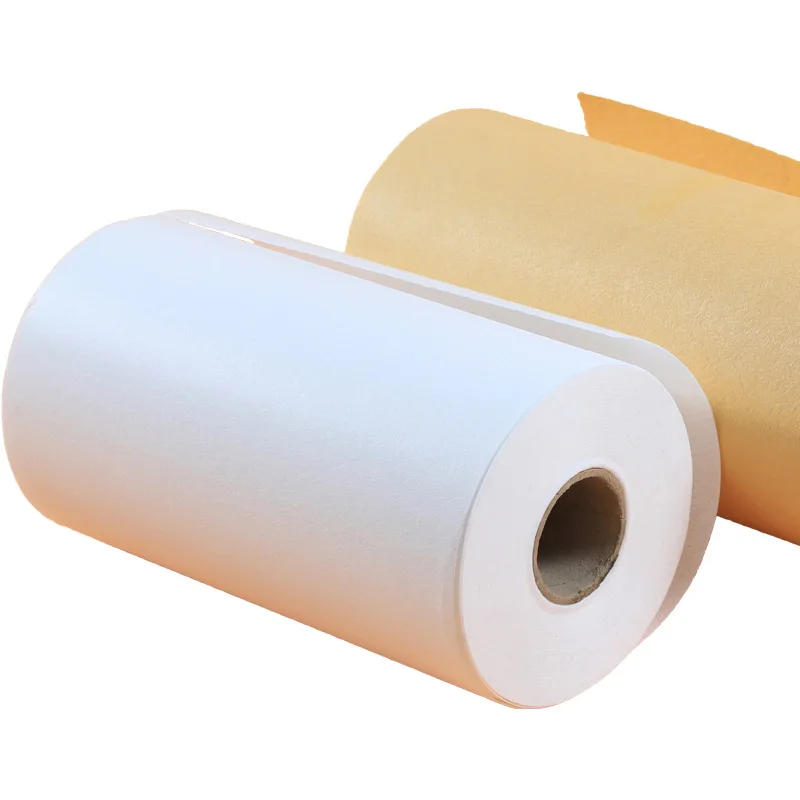
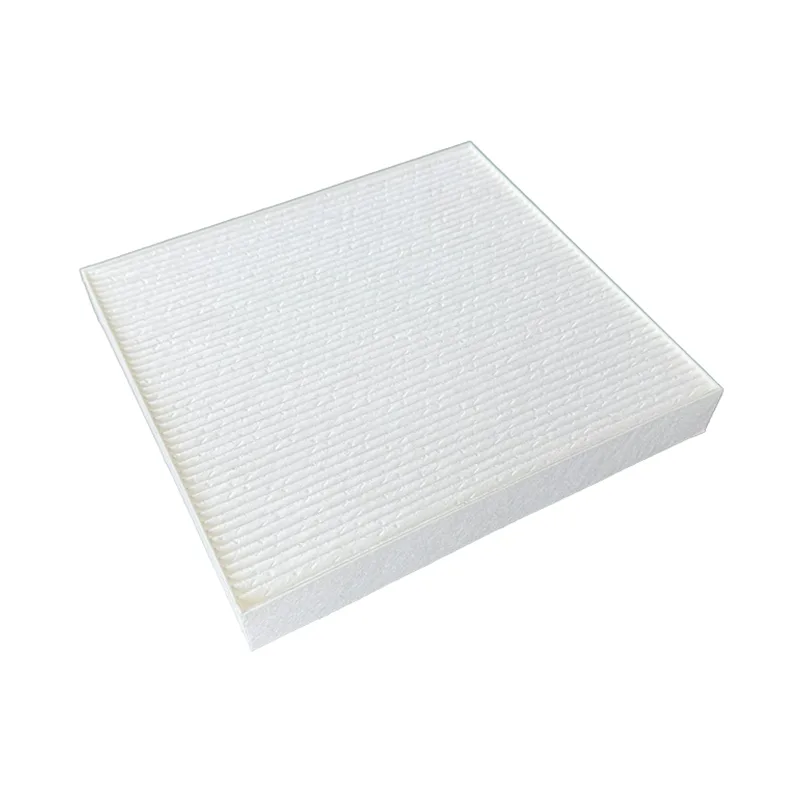
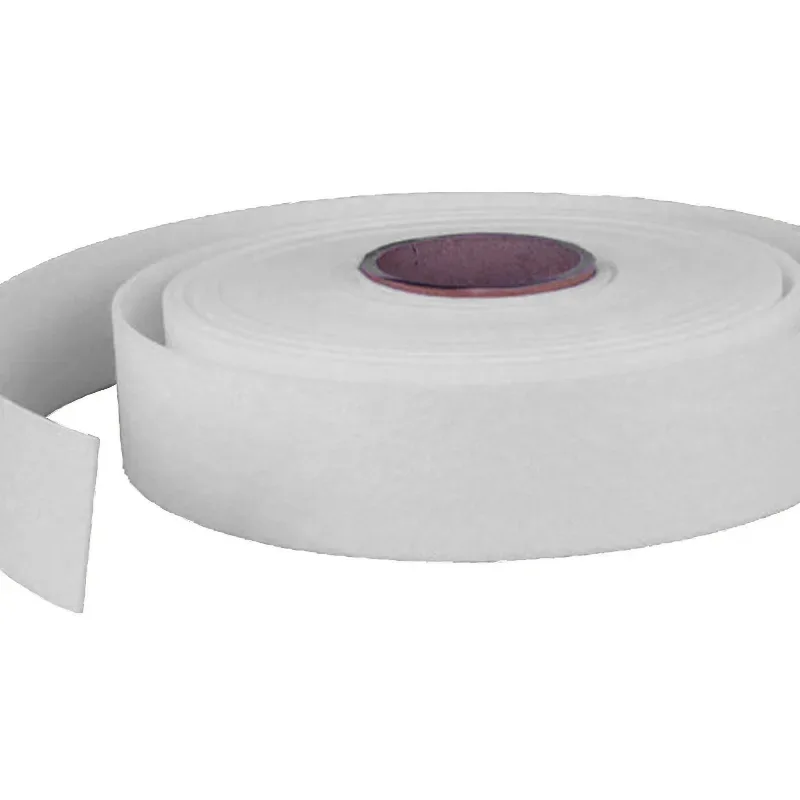
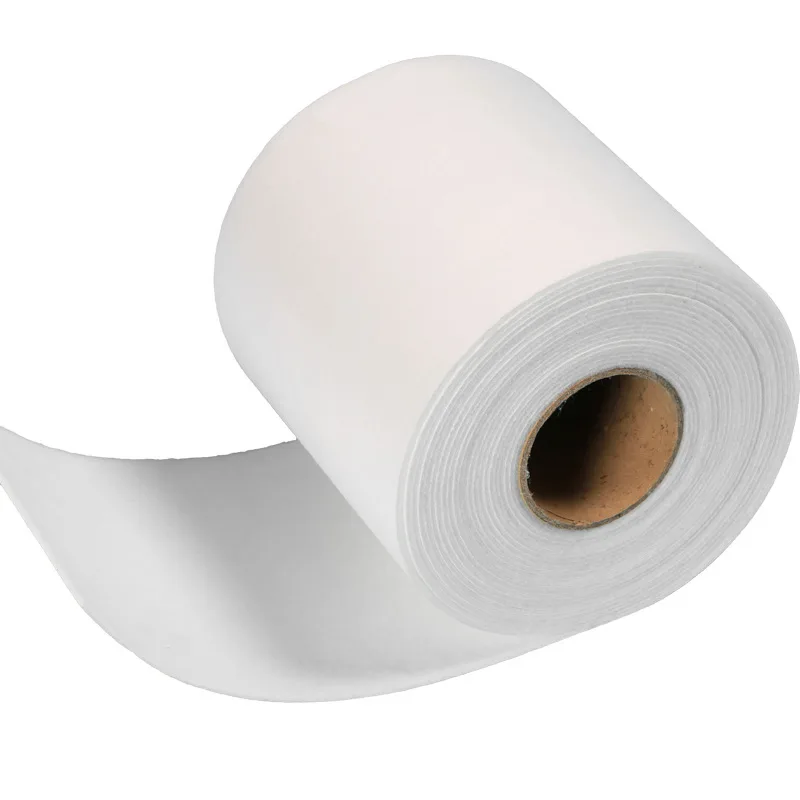
PP air filter media refers to filtration materials manufactured primarily from polypropylene fibers. Depending on the production process and intended application, the media may be designed for coarse particle filtration, fine filtration, pre-filtration, ventilation systems, industrial equipment, HVAC systems, automotive applications, or specialized air-cleaning products. Its low moisture absorption, chemical resistance, low density, and ability to be engineered into different fiber structures make it a practical choice for many filtration applications.

This guide explains how PP air filter media works, what properties matter during material selection, how different performance factors affect filtration, common applications, purchasing considerations, maintenance issues, and frequently asked questions.

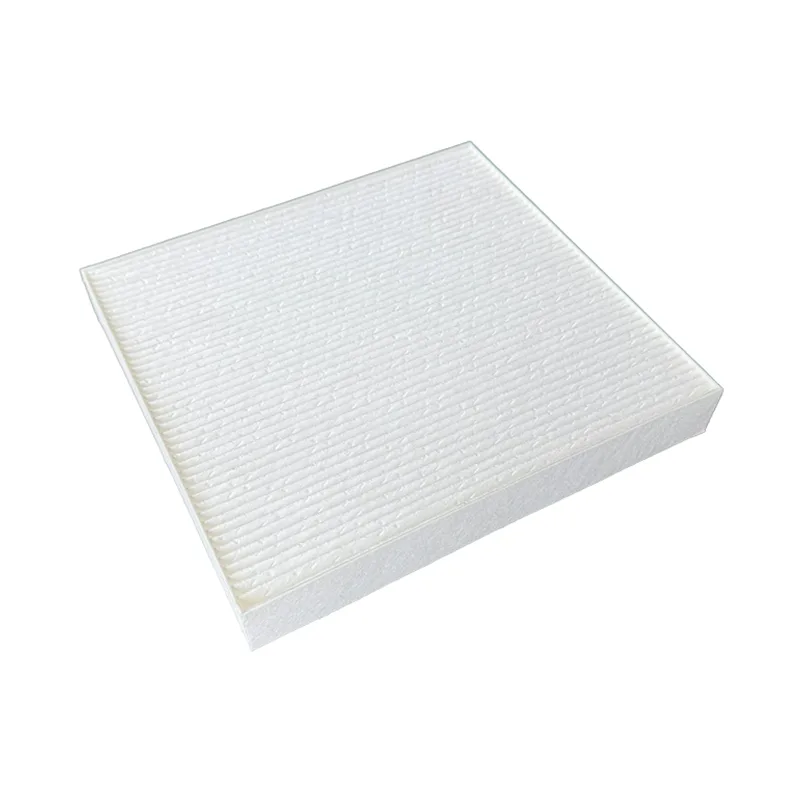
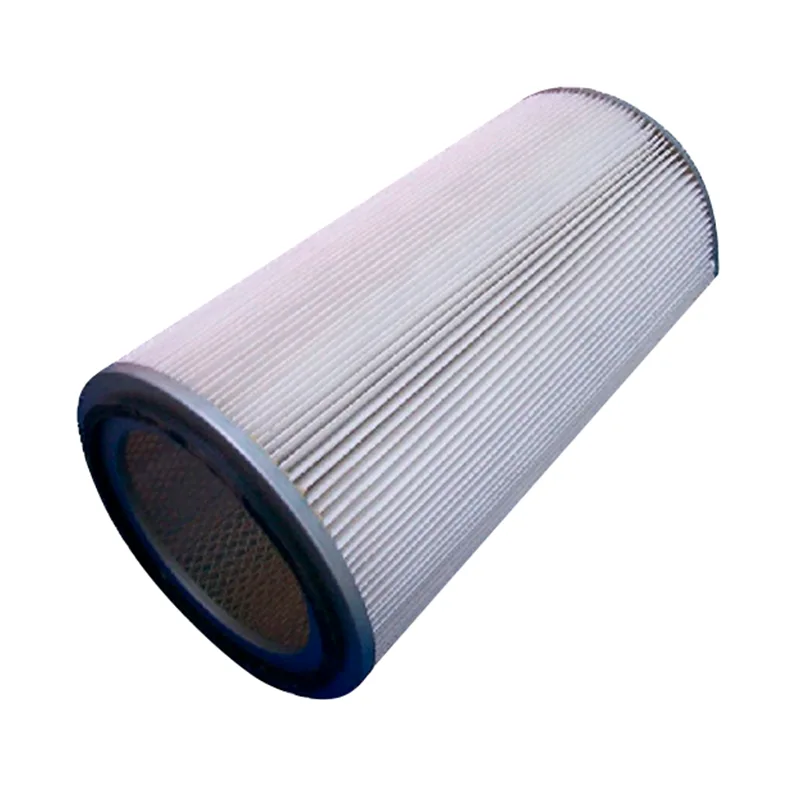
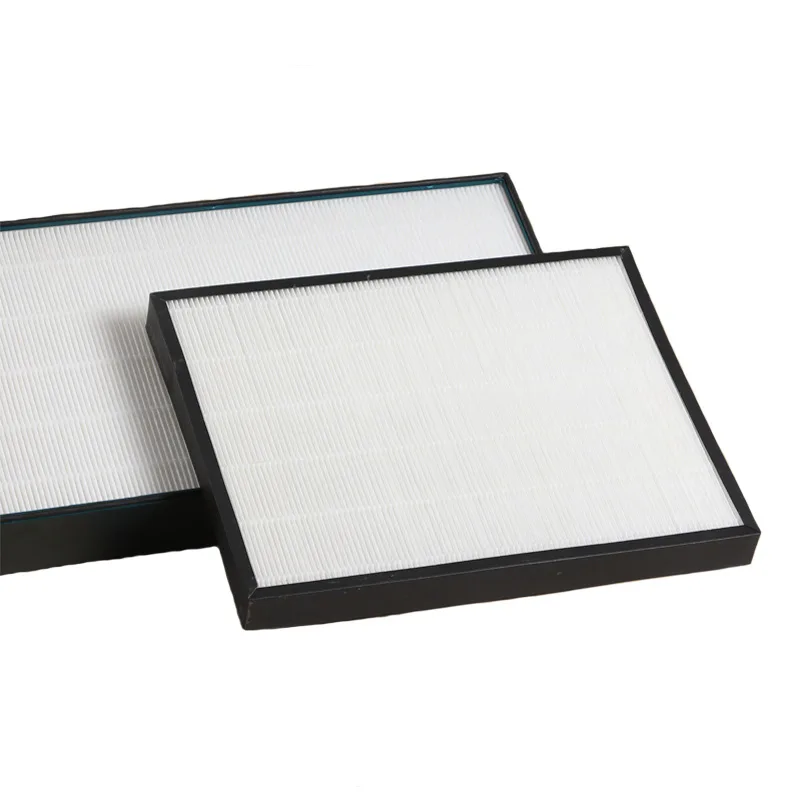
PP air filter media

Table of Contents

  1. What Is PP Air Filter Media?
  2. How Is PP Air Filter Media Structured?
  3. Which Performance Factors Matter Most?
  4. Key Benefits of Polypropylene Filter Media
  5. Where Is PP Air Filter Media Used?
  6. How to Select the Right Filter Media
  7. Common Filtration Problems and Their Causes
  8. Maintenance and Service Considerations
  9. PP Air Filter Media Compared With Other Materials
  10. What Should Buyers Ask Suppliers?
  11. Frequently Asked Questions
  12. Contact a PP Air Filter Media Supplier
─────────────────────────────────────────

What Is PP Air Filter Media?

PP air filter media is a filtration material made primarily from polypropylene, commonly abbreviated as PP. Polypropylene is a thermoplastic polymer that can be processed into fibers, nonwoven webs, and other engineered structures suitable for air filtration.

The purpose of the media is to allow air to pass through while retaining unwanted particles. Depending on its design, the filter can capture dust, lint, fibers, pollen, suspended particles, and other contaminants. The actual filtration mechanism may involve interception, impaction, diffusion, and, in some engineered products, electrostatic effects.

One important point is that polypropylene alone does not determine filtration performance. Two PP filter materials can have the same polymer composition but deliver very different results because their fiber diameter, pore structure, thickness, density, surface treatment, and manufacturing process may differ.

Key takeaway: The right PP air filter media is an engineered filtration structure, not simply a sheet of polypropylene.

How Is PP Air Filter Media Structured?

The internal structure of filter media has a direct influence on airflow and particle capture. Manufacturers can modify fiber arrangement, web density, thickness, and surface characteristics to achieve different filtration objectives.

  • Fiber diameter: Finer fibers can create more opportunities for particle capture but may also increase airflow resistance.
  • Basis weight: The mass per unit area affects material density, thickness, strength, and filtration behavior.
  • Thickness: A thicker structure may provide a longer filtration path, depending on its construction.
  • Pore structure: Pore size distribution influences how easily air passes through the media and how particles are retained.
  • Web uniformity: Consistent fiber distribution helps reduce weak filtration areas and improves product consistency.
  • Surface characteristics: Treatments or engineered surfaces may be used when specific filtration or handling properties are required.

Nonwoven PP media is particularly versatile because the fiber network can be engineered for different combinations of permeability, strength, thickness, and filtration efficiency.

Which Performance Factors Matter Most?

Buyers sometimes focus only on filtration efficiency, but an effective air filter must balance several performance characteristics. A material that captures particles extremely well but creates excessive pressure drop may not be suitable for a high-airflow system.

Factor Why It Matters Typical Buyer Concern
Filtration efficiency Determines the ability to remove target particles. Will it capture the required particle range?
Pressure drop Influences airflow and fan energy requirements. Will airflow remain adequate?
Tensile strength Supports converting, pleating, installation, and service life. Will the material withstand processing?
Air permeability Controls how easily air moves through the media. Can it support the required air volume?
Consistency Helps maintain predictable production and filter performance. Will every production batch perform consistently?

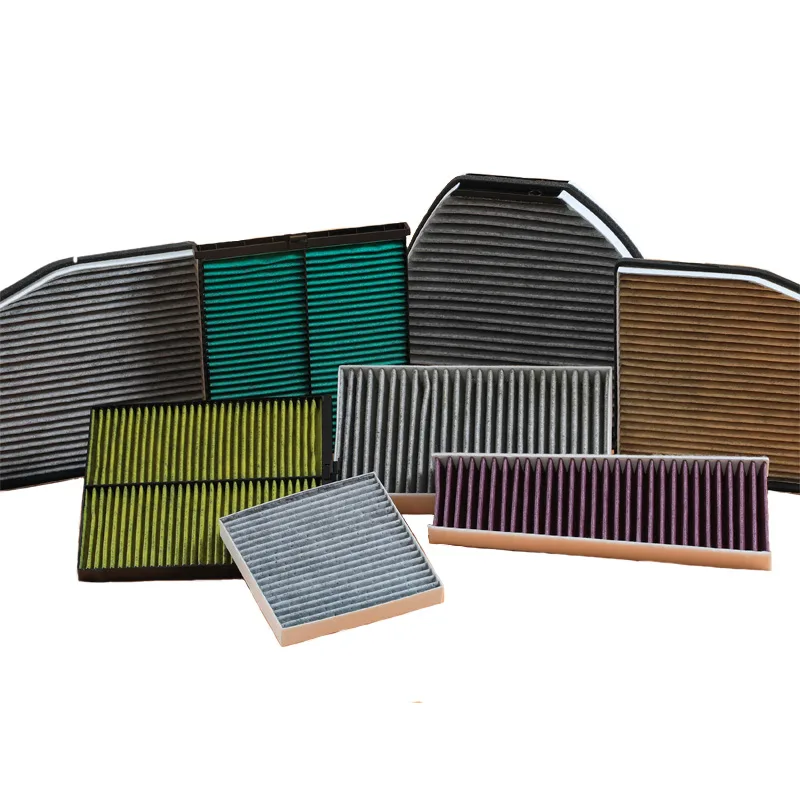
The ideal balance depends on the application. HVAC pre-filters, industrial ventilation systems, compact air purifiers, and automotive filtration systems may require different media specifications even when all use polypropylene.

Key Benefits of Polypropylene Filter Media

Low Moisture Absorption

Polypropylene has low water absorption, which can help maintain material characteristics in humid environments.

Chemical Resistance

PP generally provides useful resistance to many chemicals, making it suitable for selected industrial environments.

Lightweight Construction

The relatively low density of PP helps manufacturers produce lightweight filtration components.

Processing Flexibility

Polypropylene can be converted into different nonwoven structures to meet specific filtration requirements.

These properties can simplify filter construction while providing manufacturers with considerable flexibility in designing media for different airflow and particle-capture requirements.

Where Is PP Air Filter Media Used?

PP air filter media can be found across residential, commercial, automotive, and industrial filtration markets. The appropriate construction depends on the air quality target, airflow, operating conditions, and filter design.

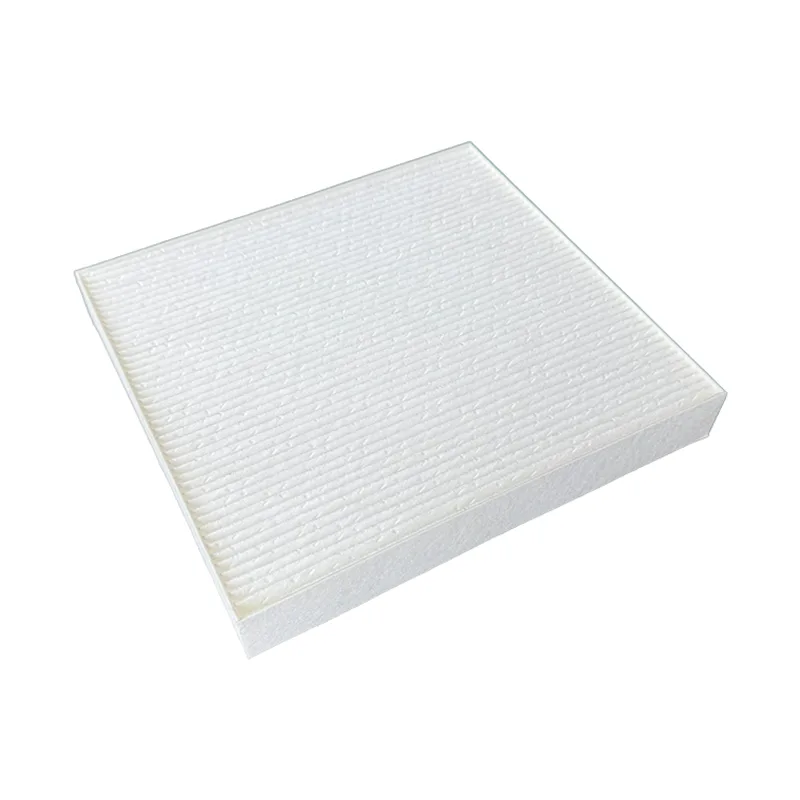
  1. HVAC systems: Used in ventilation and air-conditioning filtration systems where balanced airflow and particle removal are required.
  2. Air purifier filters: PP-based layers can serve as pre-filtration or other engineered filtration stages.
  3. Automotive filtration: Suitable PP structures can be incorporated into air intake and cabin filtration products.
  4. Industrial ventilation: Used where dust and airborne particulate control are necessary.
  5. Commercial buildings: Filtration media may be integrated into air-handling and ventilation equipment.
  6. Manufacturing facilities: Media can be selected according to the type and concentration of airborne contaminants.

For demanding applications, the complete filter assembly should be evaluated rather than judging performance from the raw media alone.

How to Select the Right Filter Media

Choosing filter media begins with the operating requirements. Instead of asking only for a particular material, buyers should define the performance target and environmental conditions.

A practical selection checklist:
  • Identify the target particle type and approximate particle size.
  • Determine the required filtration efficiency.
  • Establish the required airflow or air velocity.
  • Define the acceptable initial pressure drop.
  • Consider operating temperature and humidity.
  • Check chemical exposure where applicable.
  • Specify the required width, thickness, basis weight, and roll length.
  • Confirm converting requirements such as pleating, cutting, laminating, or bonding.
  • Request consistent technical specifications and batch quality control.

A qualified supplier should be able to discuss the relationship between these parameters rather than simply quoting a single filtration-efficiency number.

Common Filtration Problems and Their Causes

Problem Possible Cause Potential Solution
High pressure drop Media may be too dense or airflow may exceed design conditions. Review media structure, air velocity, and filter area.
Insufficient particle capture Media structure may not match the target particle range. Reassess fiber structure and filtration requirements.
Media tearing during conversion Insufficient mechanical strength or unsuitable processing conditions. Check tensile properties and converting parameters.
Inconsistent filter performance Variation in basis weight, fiber distribution, or production conditions. Strengthen incoming inspection and batch control.

Maintenance and Service Considerations

Even high-quality PP air filter media cannot compensate for incorrect installation or excessive contaminant loading. Filter performance changes as particles accumulate on the media, so service intervals should be established according to actual operating conditions.

  • Inspect filters regularly for visible loading, damage, or deformation.
  • Monitor pressure drop where system instrumentation is available.
  • Replace heavily loaded disposable media rather than exceeding its intended service condition.
  • Protect filter rolls and finished products from unnecessary contamination before installation.
  • Store materials in appropriate conditions and follow supplier handling recommendations.

Proper maintenance helps preserve airflow, protect downstream equipment, and prevent unnecessary energy consumption caused by an excessively loaded filter.
PP Air Filter Media Compared With Other Materials

Polypropylene is not the only material used in air filtration. Depending on the application, polyester, fiberglass, cellulose, melt-blown structures, and composite media may also be considered.

Material General Characteristics Potential Application Consideration
Polypropylene Lightweight, moisture-resistant, chemically resistant, highly processable. Broad range of air filtration and nonwoven applications.
Polyester Good mechanical properties and dimensional stability. Useful where strength and durability are priorities.
Fiberglass Can support high-efficiency filtration designs. Selected specialized filtration environments.
Cellulose Paper-based structure with established filtration applications. Common in selected dry filtration applications.

The best material is therefore determined by the complete application rather than by material popularity alone.

What Should Buyers Ask Suppliers?

A reliable purchasing decision depends on clear technical communication. Before placing a large order, buyers can request documentation covering material specifications, test methods, production tolerances, packaging, and quality-control procedures.

  • What are the available basis weights and thicknesses?
  • What air permeability ranges can be supplied?
  • How is filtration efficiency tested?
  • What pressure-drop data is available?
  • What roll widths and lengths are available?
  • Can the media be customized for specific filter designs?
  • What quality-control procedures are used between production batches?
  • Can samples be supplied for application testing?
  • What are the packaging and storage recommendations?

Application testing remains important because laboratory results and finished-filter performance can differ depending on airflow, filter geometry, sealing, pleat configuration, and operating conditions.

Frequently Asked Questions

Is PP air filter media suitable for HVAC filtration?

Yes. Properly engineered PP media can be used in various HVAC and ventilation filtration products. The suitable specification depends on the required particle-capture performance, airflow, pressure drop, and filter construction.

Is polypropylene resistant to moisture?

Polypropylene has low moisture absorption compared with many other fiber materials. This property can be advantageous in applications where humidity or occasional moisture exposure is a concern, although the complete filter assembly must also be considered.

Does thicker PP filter media always provide better filtration?

Not necessarily. Thickness is only one part of filter construction. Fiber diameter, density, pore structure, airflow, and filtration mechanism also influence performance. Increasing thickness without considering pressure drop may create an unsuitable filter.

Can PP air filter media be customized?

Many manufacturers can customize parameters such as width, basis weight, thickness, fiber structure, roll dimensions, and other material characteristics. The available options depend on the supplier's production equipment and technical capabilities.

How can buyers compare two PP filter media products?

Compare equivalent test conditions and specifications, including filtration efficiency, pressure drop, air permeability, basis weight, thickness, tensile strength, and batch consistency. A direct application test is often the most reliable final verification.

What is the most important specification for PP air filter media?

There is no single specification that is universally most important. The correct priority depends on the filter's purpose. For some applications efficiency is critical, while others require a carefully balanced combination of efficiency, airflow, pressure drop, strength, durability, and cost.

Contact Us for PP Air Filter Media Solutions

Selecting the right PP air filter media can reduce filtration problems before they reach the production stage. Whether you need standard nonwoven media, application-specific specifications, sample evaluation, or bulk supply, working with an experienced manufacturer can make material selection more efficient.

Biaodian Nonwovens technology Co., Ltd can provide professional support for buyers evaluating polypropylene nonwoven filtration materials and related requirements. Share your target application, filter dimensions, airflow requirements, and desired performance, and discuss the appropriate material specification for your project.

Contact us today to discuss your PP air filter media requirements and find a practical filtration material for your application.

PP air filter media offers a useful combination of lightweight construction, low moisture absorption, chemical resistance, and manufacturing flexibility. However, effective filtration depends on the entire media structure and its interaction with the finished filter system. Buyers should evaluate filtration efficiency together with pressure drop, air permeability, mechanical strength, dimensions, operating environment, and production consistency.

By defining the actual application requirements first and then matching those requirements with measurable material properties, manufacturers and purchasers can avoid common problems such as excessive airflow resistance, insufficient particle capture, inconsistent quality, and premature filter replacement.

Related News
Leave me a message
X
We use cookies to offer you a better browsing experience, analyze site traffic and personalize content. By using this site, you agree to our use of cookies. Privacy Policy
RejectAccept