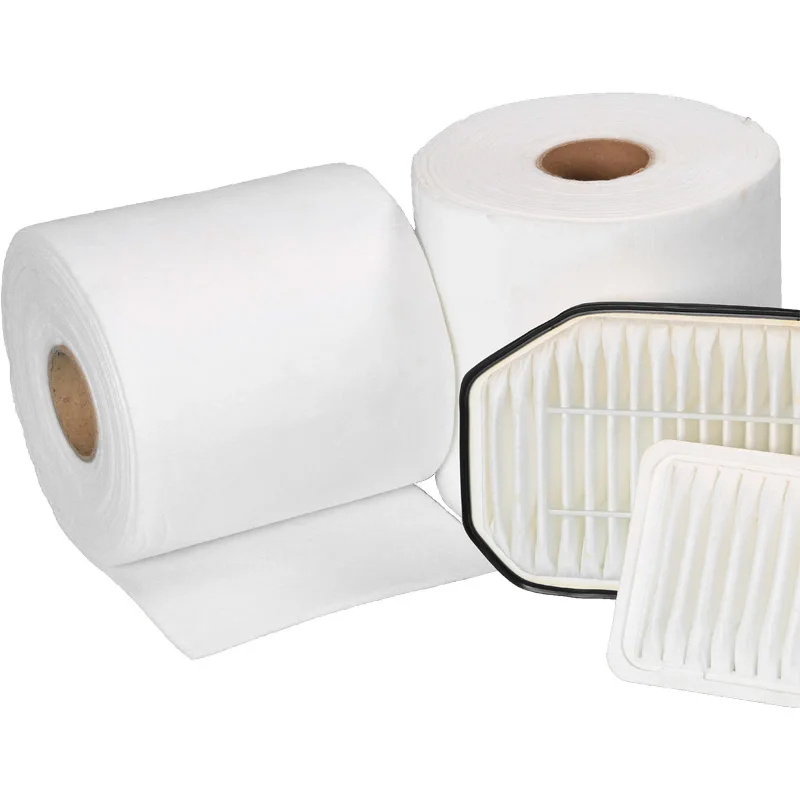
How Anti-allergy Cabin Filter Supports Healthier In-Car Air Quality
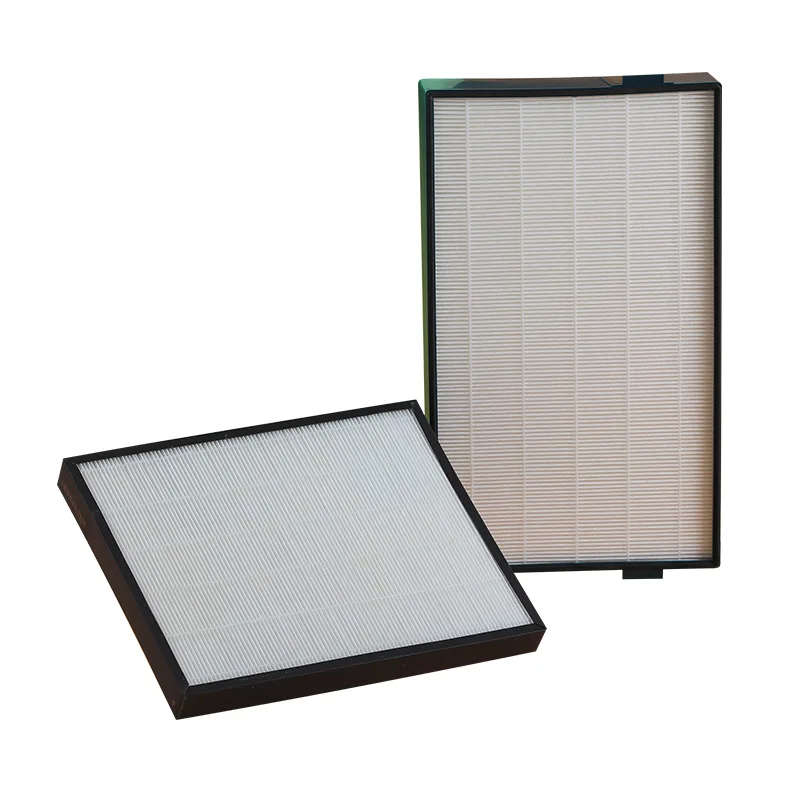
Anti-allergy Cabin Filter reflects the growing focus on in-car air quality as drivers spend more time in enclosed vehicle environments. Pollen, road dust, fine particulate matter and other airborne contaminants can enter the cabin through ventilation systems or open windows. As awareness of airborne allergens increases, automotive filtration is receiving greater attention as part of cabin comfort and environmental management.
The issue extends beyond reducing visible dust. Modern cabin filtration must address different particle sizes while maintaining sufficient airflow through the vehicle’s heating, ventilation and air conditioning (HVAC) system. Understanding how filter media captures airborne contaminants, and how filtration performance changes during use, is essential to evaluating the role of cabin filters in everyday driving.
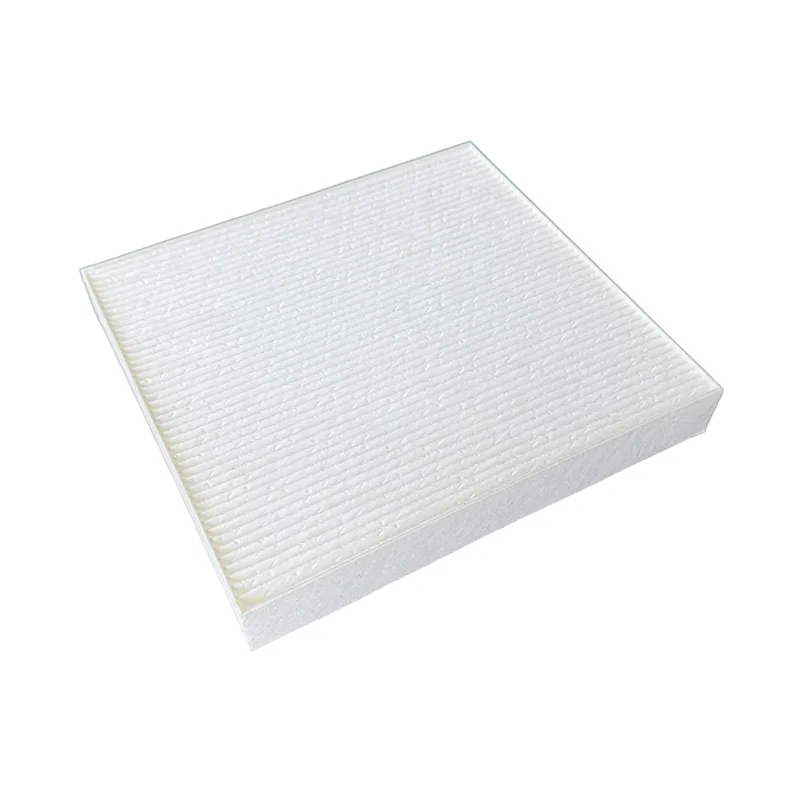
Why Cabin Air Quality Matters
Vehicle cabins are semi-enclosed spaces, but they are not completely isolated from the outside environment. Outdoor air enters through the HVAC intake, carrying particles from vegetation, nearby traffic, construction activities and other sources. Depending on local conditions, pollen concentrations and airborne particulate levels can vary considerably throughout the year.
Pollen is particularly relevant during seasonal changes. These biological particles differ in size, shape and surface characteristics, meaning their capture depends on the structure and performance of the filtration medium. Smaller airborne particles present a different challenge because they may remain suspended in the air and pass through filter structures that are not designed for effective fine-particle capture.
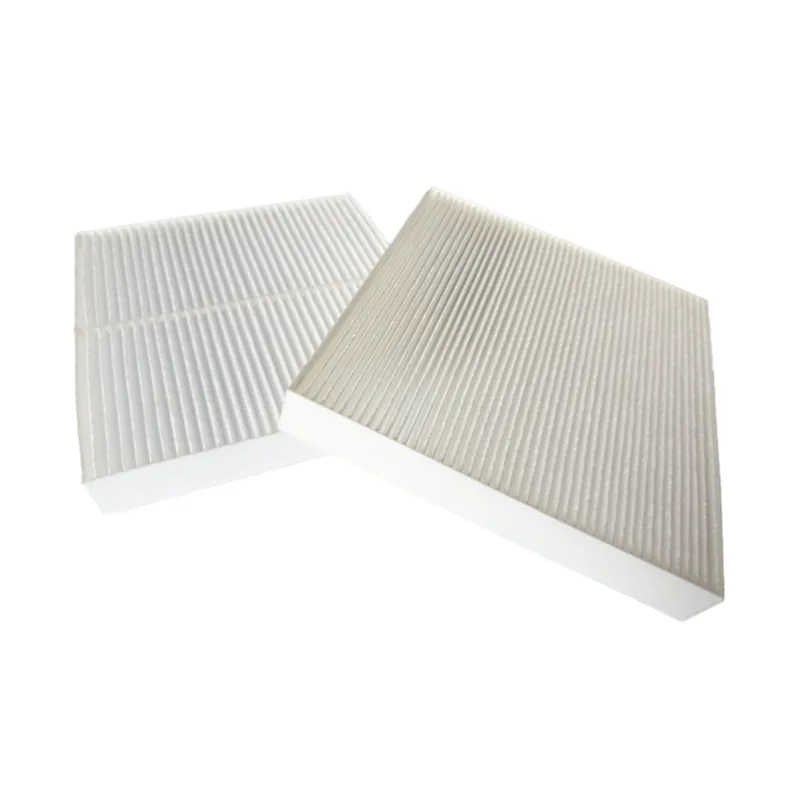
Cabin filters provide a physical barrier within the ventilation pathway. Their effectiveness depends on several factors, including media composition, fiber arrangement, particle size, air velocity and the condition of the filter after extended use. A filter described as anti-allergy should therefore be assessed according to its demonstrated performance against specified allergens rather than its product name alone.
How Nonwoven Filter Media Captures Airborne Particles
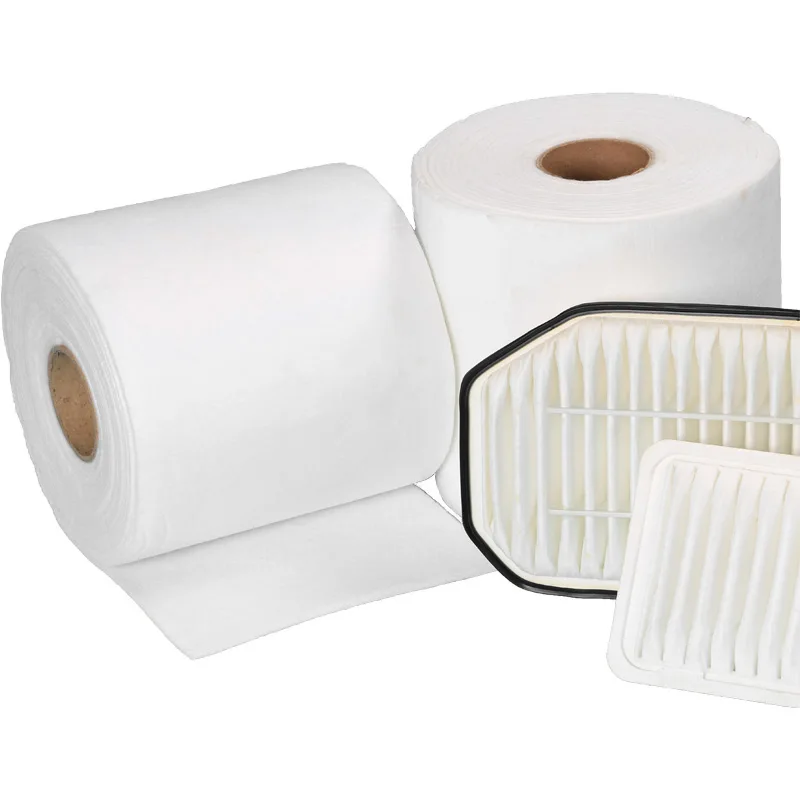
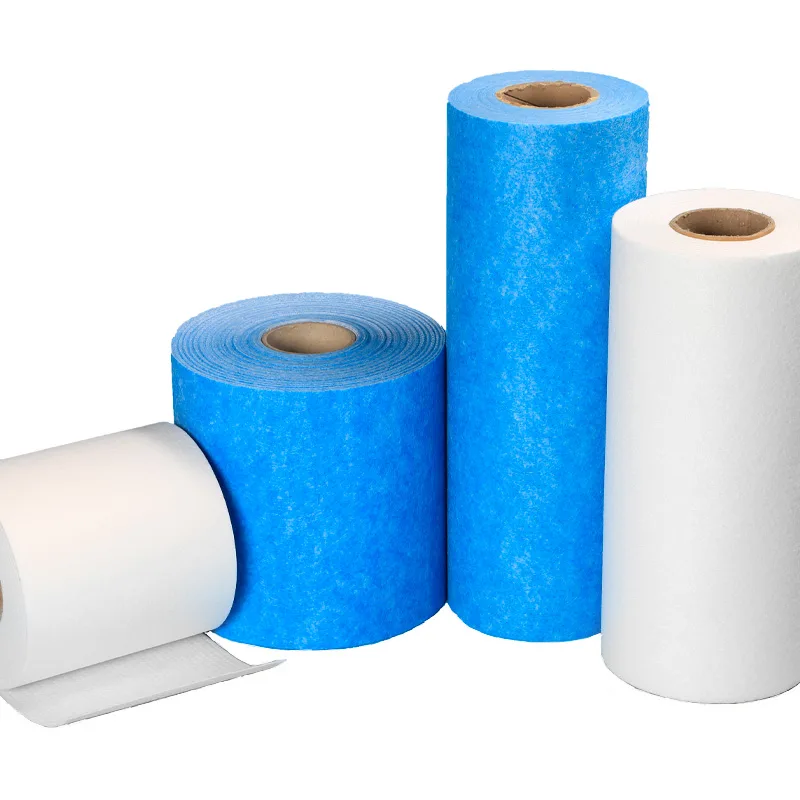
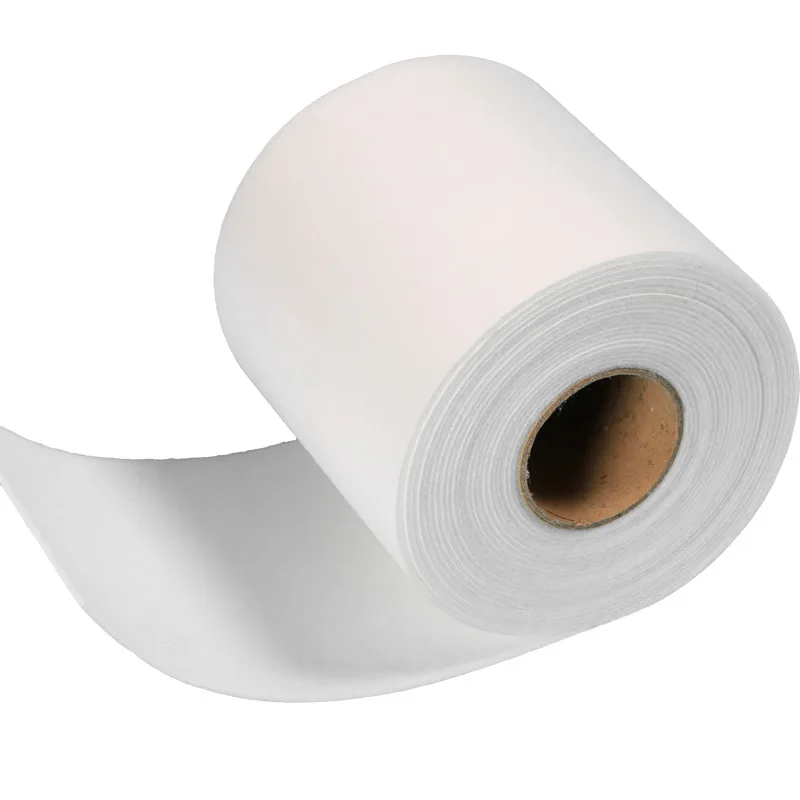
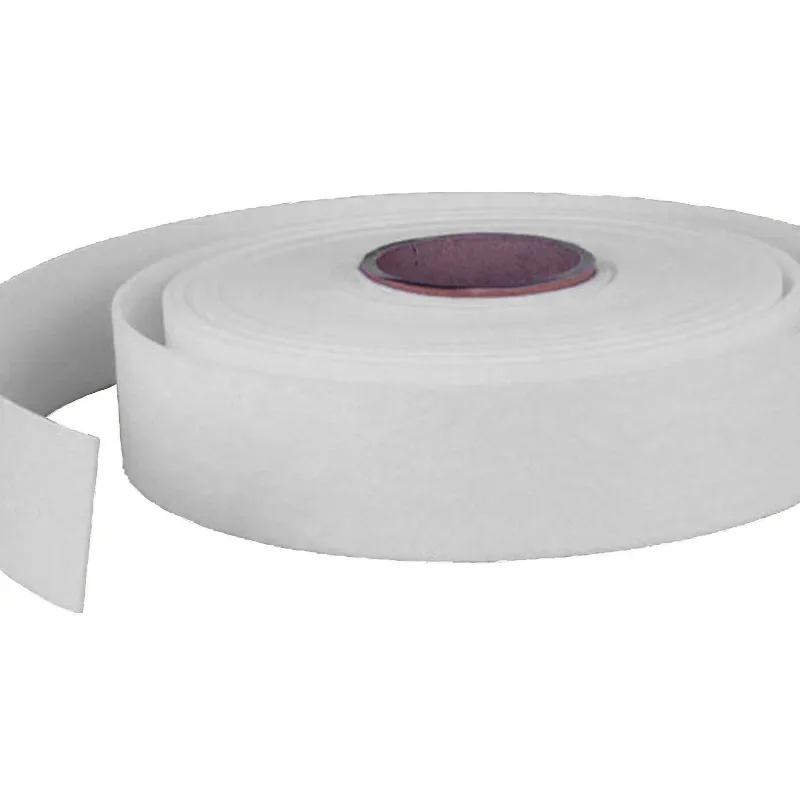
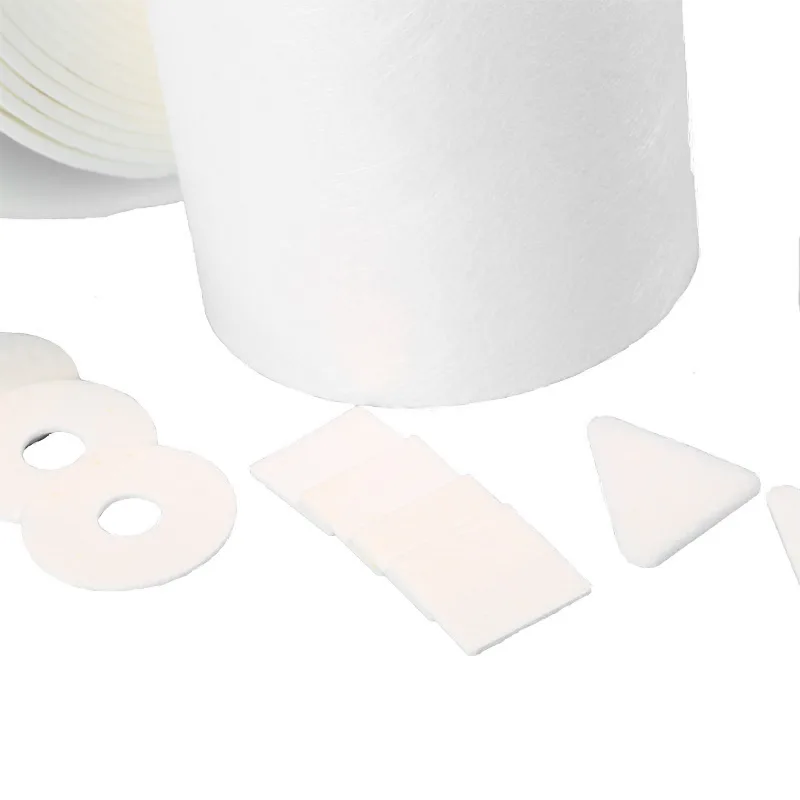
Nonwoven materials are widely used in automotive filtration because their fiber networks can be engineered to provide different combinations of particle capture, permeability, thickness and mechanical stability. Unlike conventional woven fabrics, nonwovens form a web of fibers arranged and bonded through manufacturing processes.
Particles can be captured through several mechanisms. Inertial impaction occurs when particles cannot follow changes in airflow around fibers. Interception happens when particles following the airflow come into contact with a fiber. Diffusion is especially relevant to very small particles that move irregularly through the air. The relative contribution of each mechanism depends on particle characteristics, fiber diameter, web structure and operating conditions.
For automotive applications, the objective is not simply to create a denser material. Excessive resistance to airflow can affect ventilation performance, while insufficient particle capture may reduce filtration effectiveness. Filter media development therefore involves balancing particle removal, pressure drop, material durability and the available space within the filter housing.
Multilayer structures may combine materials with different functions, such as capturing larger particles before air reaches finer filtration layers. However, the actual benefit depends on the design and test results of the complete filter assembly, not merely on the number of layers.
Balancing Filtration Efficiency and Airflow
Filtration efficiency and pressure drop are two important indicators when evaluating cabin filter performance. Efficiency describes the proportion of a specified particle population captured under defined test conditions. Pressure drop measures the difference in air pressure across the filter as air passes through it.
These indicators must be considered together. A material may capture a high proportion of particles but create excessive airflow resistance. Conversely, a highly permeable material may allow air to pass easily while providing insufficient capture for the intended application.
Testing should therefore identify the particle size range, airflow rate, initial pressure drop and test method used. Results obtained under different conditions may not be directly comparable. Dust-loading tests can also help reveal how resistance changes as particles accumulate within the filter structure.
For Anti-allergy Cabin Filter applications, clear test evidence is particularly important when evaluating claims involving pollen, fine particulate matter or other allergens. A general particle filtration result does not automatically demonstrate equivalent performance against every biological or chemical contaminant.
Seasonal Allergens and Filter Maintenance
Seasonal pollen exposure creates additional demands on vehicle ventilation systems. During periods of heavy pollen release, particles can accumulate on the filter surface and within its fiber network. Larger debris, including plant fragments and airborne fibers, may contribute to physical blockage, while fine particles can progressively increase the material's resistance to airflow.
Filter loading is influenced by the surrounding environment, driving frequency, ventilation settings and the amount of time spent in areas with elevated airborne contamination. As resistance increases, airflow through the HVAC system may decline. This makes inspection and replacement at the interval specified by the vehicle manufacturer important aspects of routine maintenance.
Drivers should also distinguish between particle filtration and other forms of air treatment. Conventional particle filters do not necessarily remove gaseous pollutants, odors or volatile organic compounds unless the system includes suitable additional media, such as activated carbon. Similarly, particle capture alone does not establish that a filter inactivates microorganisms.
What Future Cabin Filtration Development Needs to Address
As attention to cabin air quality grows, automotive filtration development is increasingly concerned with measurable performance rather than broad claims. Relevant considerations include fine-particle capture, pollen retention, low pressure drop, resistance to moisture, structural stability and consistent performance throughout the service period.
Material selection is only one part of this process. The finished filter's dimensions, sealing against the housing, installation direction and compatibility with the vehicle's HVAC system can all influence real-world results. Even effective filter media may perform poorly if air bypasses the material through gaps around the frame.
For Anti-allergy Cabin Filter technology, future progress will depend on combining material engineering with transparent testing and practical maintenance guidance. Test reports should specify the contaminants assessed, the procedures followed and the conditions under which performance was measured. Such details make it easier to compare products objectively and understand the limits of the evidence.
Conclusion
Healthier in-car air quality depends on a combination of filtration design, suitable installation and regular maintenance. Cabin filters can reduce exposure to selected airborne particles, but their performance varies with material structure, operating conditions and the contaminants being measured. Anti-allergy Cabin Filter development is therefore best understood through evidence-based evaluation of allergen capture, airflow resistance and service-life performance rather than general health claims. As automotive filtration continues to evolve, transparent testing and well-designed nonwoven media will remain important to informed decisions about cabin air management.
Related News
- What Makes a Non-Woven Oil Filter Gasket Reliable for Demanding Filtration Applications?
- What Makes a Cabin Filter Fleece Band Essential for Reliable Filter Construction?
- How Does Diesel Filter Media Improve Fuel Filtration Performance?
- How Does Carbon Canister Filter Media Improve Odor and Contaminant Control?
- What Makes PP Air Filter Media Effective for Modern Air Filtration?
- What Makes Non-Woven Oil Filter Gasket Essential for Better Filtration Performance?
Leave me a message