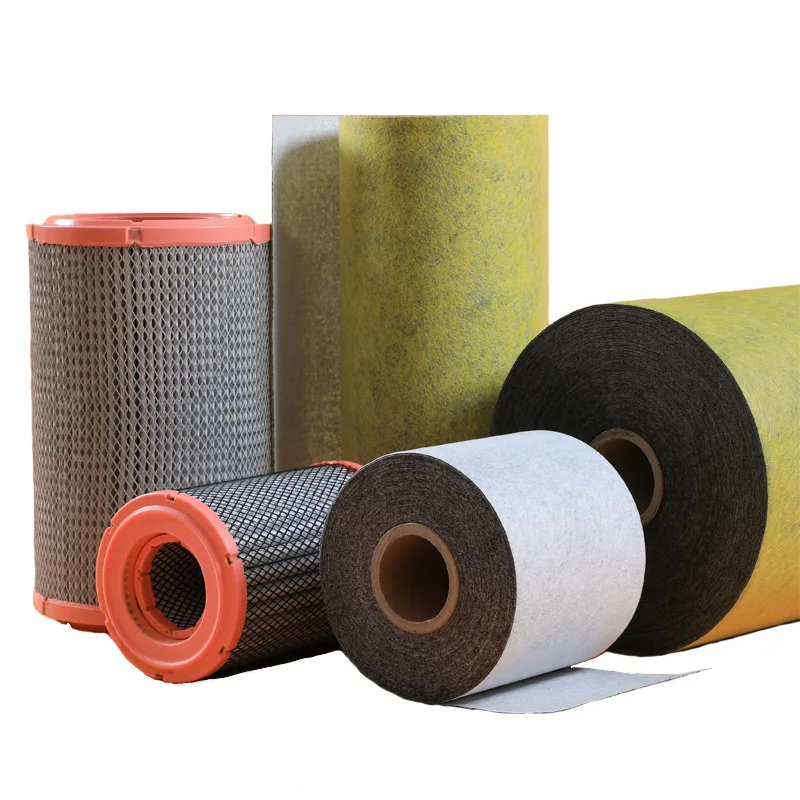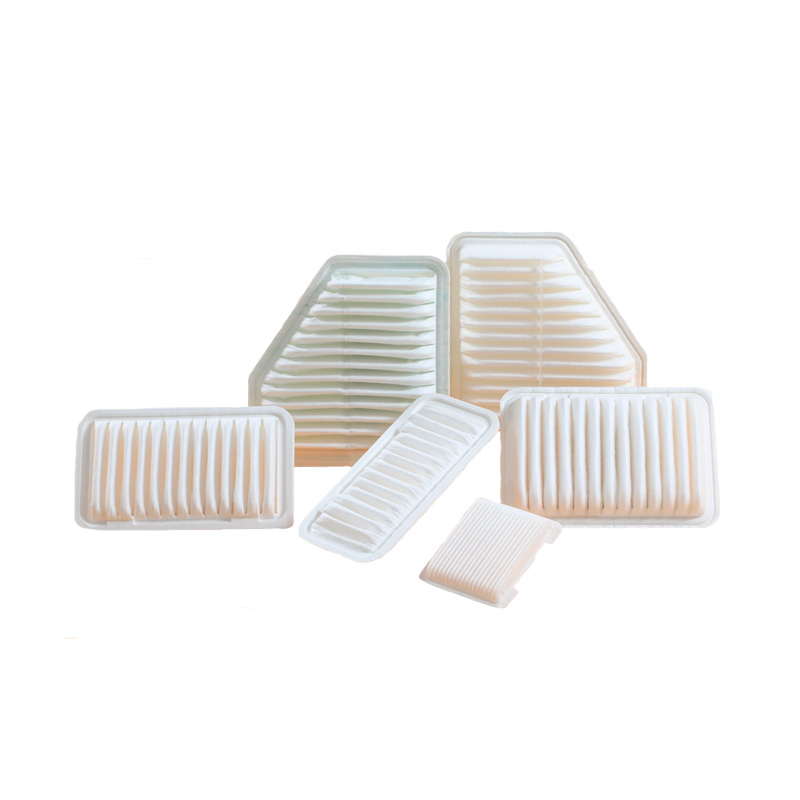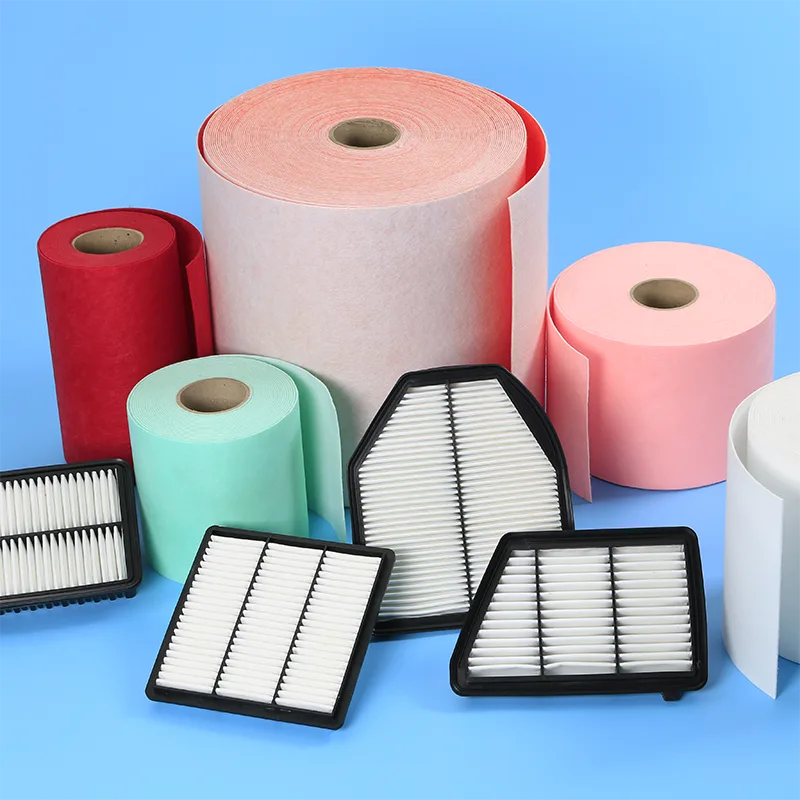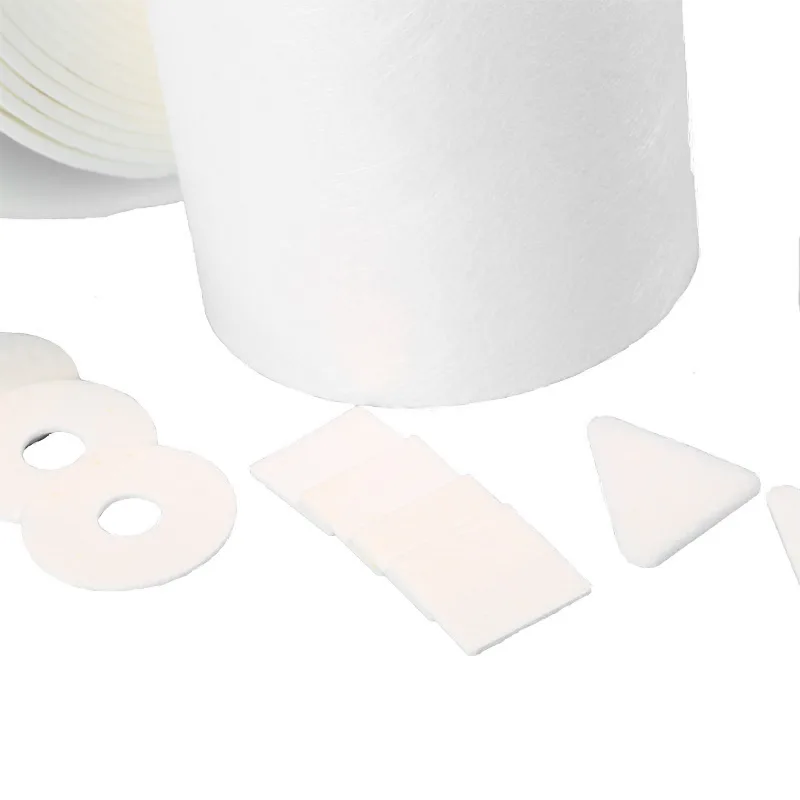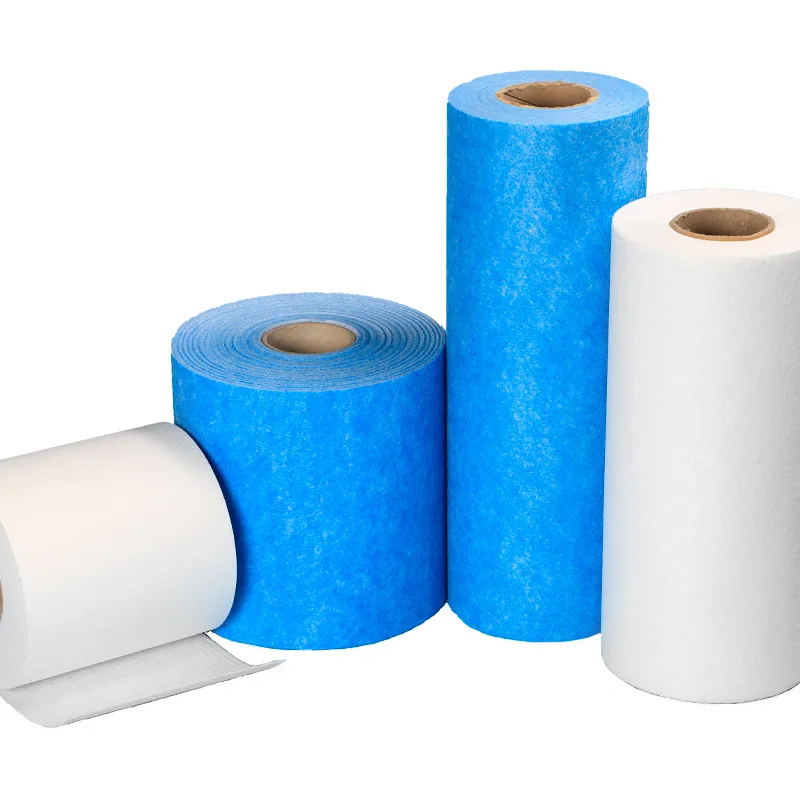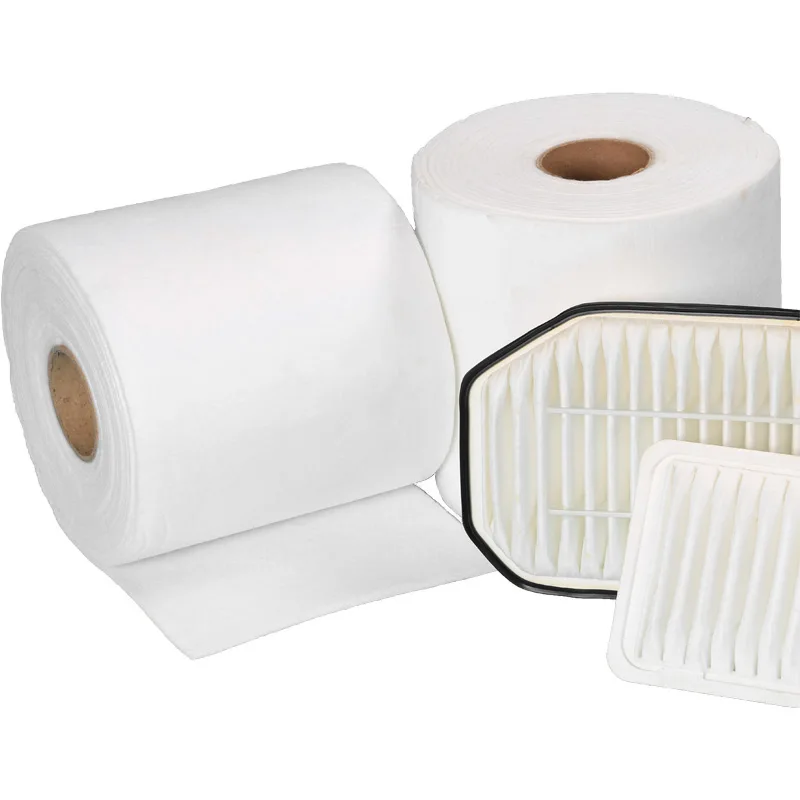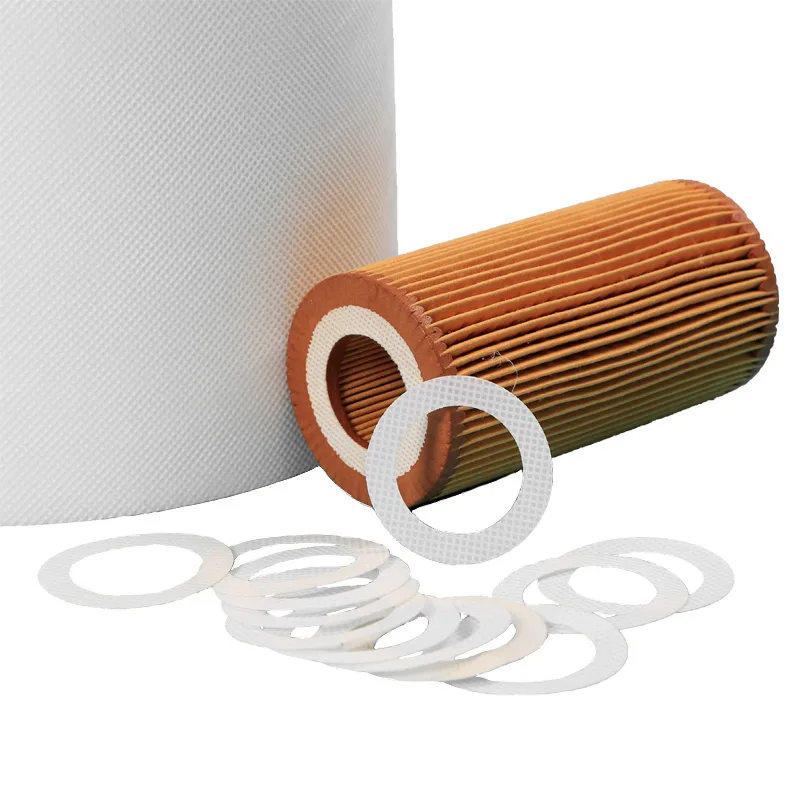
A cabin air filter is more than a pleated sheet of filtration media. Its structure must remain stable during assembly, transportation, installation, vibration, and continuous airflow. A Cabin Filter Fleece Band provides an important structural function by helping secure the edges of the filter media and maintain the intended geometry of the filter pack. This article explains its role, material considerations, manufacturing requirements, application value, quality factors, and purchasing considerations for automotive filter manufacturers and industrial buyers.
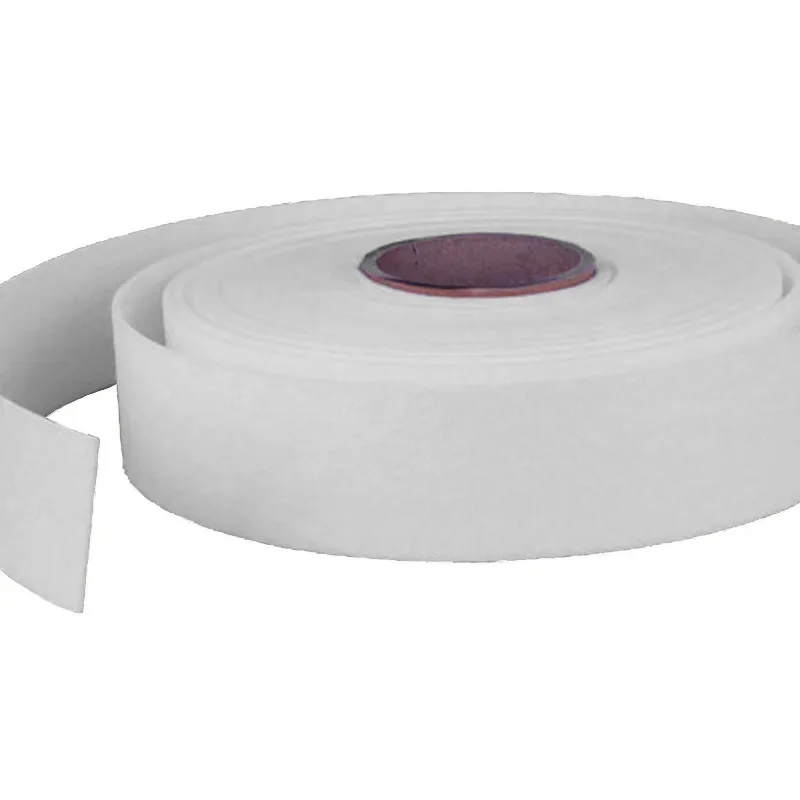
- What Is a Cabin Filter Fleece Band?
- Why Filter Construction Needs Edge Support
- How a Fleece Band Supports Cabin Filter Performance
- Material Characteristics to Consider
- Manufacturing and Assembly Considerations
- Key Quality Factors for Buyers
- Fleece Band and Other Structural Solutions
- Typical Applications
- Common Problems Caused by Poor Edge Materials
- How to Specify the Right Product
- Purchasing Checklist
- Frequently Asked Questions
- Conclusion
What Is a Cabin Filter Fleece Band?
A Cabin Filter Fleece Band is a structural nonwoven component used around selected edges or sides of a cabin air filter assembly. Its primary purpose is not to replace the filter medium itself, but to help hold the filter construction together and maintain its designed shape.
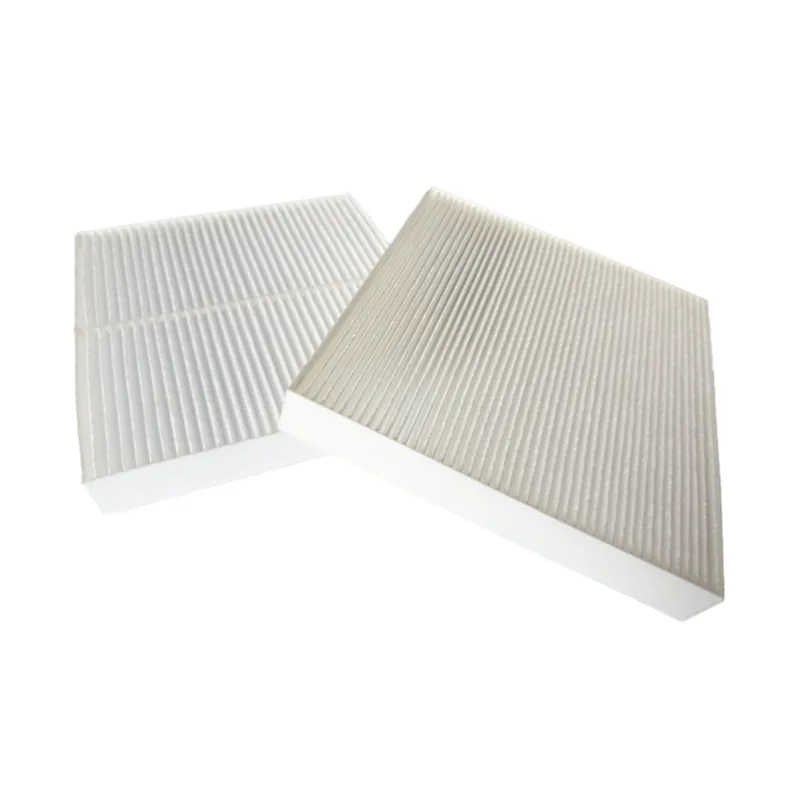
Modern cabin filters commonly use pleated or folded filter media to increase effective filtration area within a compact installation space. Once the flat media is converted into a pleated pack, however, the structure needs to remain controlled. Side bands, edge strips, or related support materials can help stabilize the pleats and create a more manageable filter element during assembly and installation.
Technical documents describing automotive interior air filters show that side bands may be attached to the sides of a pleated filter pack, while head or end bands can provide additional reinforcement. Adhesive bonding is one established method for securing these components to the filter structure.
Important distinction: The fleece band should not automatically be considered the main filtration layer. Its value is primarily structural. It supports the filter assembly so that the actual filtration media can retain its intended configuration and function.
Why Filter Construction Needs Edge Support
A cabin filter operates inside a confined HVAC environment where airflow, vibration, temperature changes, installation forces, and repeated vehicle operation can affect the filter assembly. A pleated filter medium offers a large filtration area, but the thin folded structure can require additional support around its edges.
Without appropriate structural control, the filter pack may become difficult to handle during production or may lose dimensional consistency. This can create problems when the finished filter is inserted into a housing designed around a specific length, width, height, and sealing geometry.
In practical production, edge-support materials can contribute to several objectives:
- Maintaining the geometry of the pleated filter pack.
- Reducing movement of the filter edges during handling.
- Supporting consistent bonding between filter components.
- Improving assembly efficiency on production lines.
- Helping the finished filter maintain dimensional stability.
- Providing a more controlled edge structure for installation.
Patent literature on cabin filter structures also describes fleece-based frame or strip components designed to provide mechanical properties around the filter medium. In some designs, the structural material is deliberately separated from the filtration medium so that clamping or mechanical forces do not unnecessarily compress the filter folds.
How a Fleece Band Supports Cabin Filter Performance
The performance of a cabin filter depends on more than particle capture efficiency. A filter must also maintain its physical integrity throughout manufacturing, logistics, installation, and service.
The band helps reinforce the edge of the filter pack and reduces unwanted movement of the pleated structure.
A properly selected band can help the filter retain its intended geometry during handling and installation.
Consistent edge material can make bonding and filter assembly more predictable for manufacturers.
The structural band can provide an additional layer of protection around vulnerable filter edges.
These functions become especially important when filter media are thin, highly pleated, or incorporated into multi-layer constructions. Modern cabin filter designs may combine particle filtration, gas adsorption, antimicrobial functions, or other treatment layers. The surrounding structure must therefore be compatible with the complete filter architecture rather than evaluated as an isolated material.
For example, automotive filter products can contain several coordinated layers, including particle filtration media, activated carbon, and specialized functional layers.
Material Characteristics to Consider
Choosing a fleece band is not simply a matter of selecting the thickest or strongest material available. The correct specification depends on filter design, bonding process, dimensional requirements, handling conditions, and production equipment.
| Characteristic | Why It Matters | What Buyers Should Check |
|---|---|---|
| Material composition | Influences mechanical behavior, processing, and compatibility. | Fiber type, construction, and application suitability. |
| Thickness | Affects rigidity, edge structure, and assembly fit. | Nominal thickness and allowable tolerance. |
| Basis weight | Helps describe material consistency and physical structure. | Specified GSM and production tolerance. |
| Tensile strength | Relevant to handling and mechanical stability. | Machine-direction and cross-direction performance. |
| Flexibility | Important when the band must follow filter geometry. | Bending behavior and deformation resistance. |
| Bonding compatibility | Determines whether the band can be securely attached. | Compatibility with hot melt, adhesive, ultrasonic, or other processes. |
| Dimensional consistency | Supports stable automated production. | Width, thickness, roll dimensions, and tolerance. |
Some documented cabin filter designs use synthetic fleece materials such as PET or other engineered nonwoven structures. Other filter constructions may use different synthetic or composite materials depending on the application.
Do not select material by appearance alone. Two white nonwoven bands can look similar while behaving very differently during cutting, folding, adhesive application, compression, and filter assembly. Production compatibility should be evaluated together with the finished filter design.
Manufacturing and Assembly Considerations
A reliable Cabin Filter Fleece Band should fit the manufacturing process as well as the final product. For filter manufacturers, a material that performs well in a laboratory but causes feeding, cutting, bonding, or alignment problems on the production line can still create unnecessary costs.
Several manufacturing stages deserve attention:
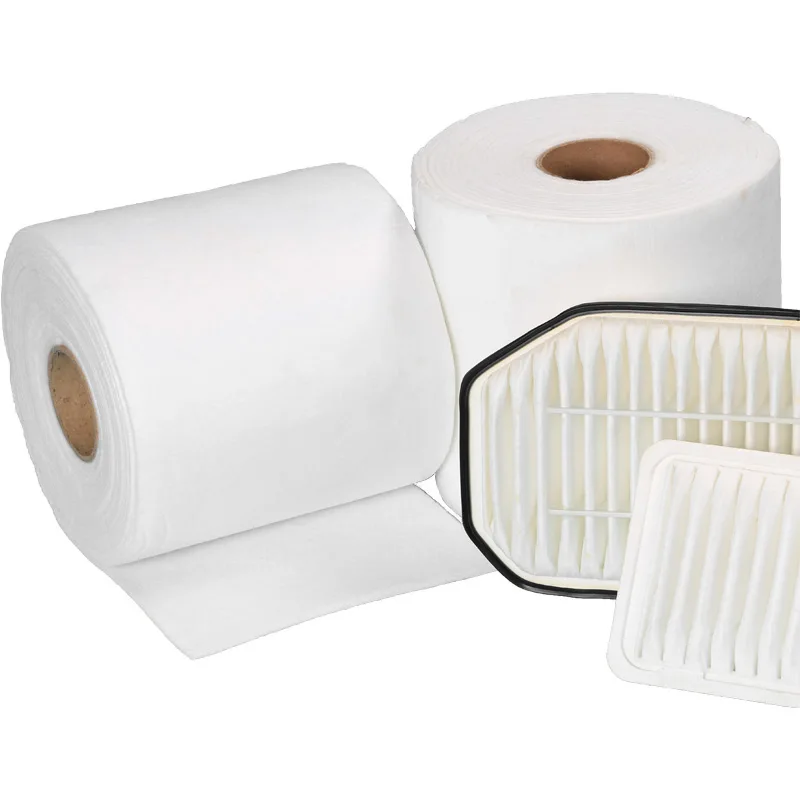
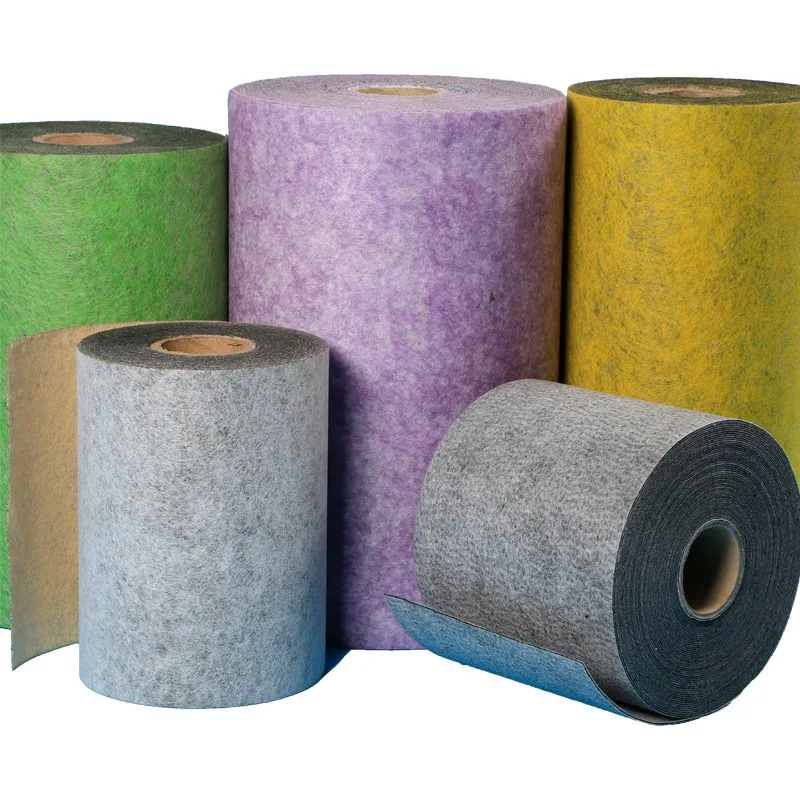
- Roll preparation: The material should be supplied in a form suitable for the customer's converting equipment.
- Slitting: Consistent width helps minimize variation during automated assembly.
- Cutting: The band should maintain a clean and stable edge during processing.
- Adhesive application: The material should work with the selected adhesive and application temperature.
- Bonding: The contact between band and filter media should be sufficiently stable for the intended application.
- Compression: Excessive compression should be avoided when it could deform the filter pack.
- Inspection: Width, thickness, appearance, roll quality, and bonding behavior should be monitored.
Because filter structures vary considerably, material suppliers should ideally communicate with manufacturers about the actual assembly method instead of supplying a generic product without application information.
Key Quality Factors for Buyers
For purchasing teams, quality means more than receiving material that matches a sample visually. Consistency from roll to roll and shipment to shipment can be equally important.
Before placing a larger order, buyers should consider the following:
- Is the material specification clearly documented?
- Are thickness and width tolerances defined?
- Is the material suitable for the intended bonding method?
- Can the supplier maintain consistent production quality?
- Can the supplier provide samples for production testing?
- Are packaging and roll dimensions compatible with your equipment?
- Can the supplier support customized sizes?
- Is the supply capacity appropriate for your annual demand?
- Are inspection and quality-control procedures clearly established?
These questions are particularly relevant to OEM and aftermarket filter manufacturers because even small variations in a structural component can affect production efficiency when multiplied across large production volumes.
Fleece Band and Other Structural Solutions
Different filter designs use different structural approaches. A fleece band is one option within a broader family of edge-support and frame solutions.
| Solution | Typical Role | Key Consideration |
|---|---|---|
| Fleece band | Edge reinforcement and filter-pack stabilization | Flexibility, thickness, bonding, and dimensional consistency |
| Rigid plastic frame | Structural support and housing interface | Weight, molding cost, geometry, and rigidity |
| Foam frame | Support and sealing in selected filter designs | Compression behavior and environmental resistance |
| Paperboard or fiber support | Basic structural reinforcement in certain applications | Moisture resistance and mechanical durability |
| Composite structure | Combines multiple functional properties | Material compatibility and production complexity |
The most appropriate solution depends on the filter architecture, vehicle application, housing design, manufacturing method, and required service conditions. There is no universal structural material that fits every cabin filter.
Typical Applications
Cabin filter fleece bands can be considered for a variety of filter manufacturing applications where the edges of a pleated or layered filter element require additional structural control.
- Passenger vehicle cabin air filters
- Commercial vehicle cabin filters
- Truck and bus HVAC filter elements
- Electric vehicle cabin filtration systems
- Aftermarket replacement cabin filters
- Custom automotive filtration assemblies
- Selected industrial or mobile HVAC filtration systems
Automotive cabin filtration is increasingly focused on multiple filtration functions. Modern filter constructions can combine particulate filtration with activated carbon or other functional layers, making structural stability an important part of the overall filter design.
Common Problems Caused by Poor Edge Materials
When the edge-support material is poorly matched to the filter design, problems can appear during production or after assembly.
- Insufficient stiffness: The edge may not adequately support the filter structure.
- Excessive stiffness: The material may become difficult to bend or integrate with the filter geometry.
- Inconsistent width: Variation can create alignment problems during automated production.
- Poor bonding: Incompatible surface characteristics may reduce attachment reliability.
- Thickness variation: Uneven material can affect assembly dimensions.
- Weak roll quality: Telescoping, wrinkles, or damaged edges can increase production waste.
- Improper specification: A material designed for another application may not perform adequately in the intended filter construction.
These issues show why material selection should begin with the complete filter structure rather than focusing on a single specification such as thickness or weight.
How to Specify the Right Product
A clear technical specification helps suppliers understand the actual requirement and reduces unnecessary sample revisions.
When requesting a Cabin Filter Fleece Band, buyers can provide the following information:
| Specification Area | Recommended Information |
|---|---|
| Application | Passenger vehicle, commercial vehicle, EV, aftermarket, or other application |
| Band position | Side band, head band, end band, frame strip, or other location |
| Width | Required finished width and tolerance |
| Thickness | Required thickness and acceptable range |
| Material | Preferred fiber type or required performance characteristics |
| Bonding method | Hot melt, adhesive, ultrasonic, thermal, or other process |
| Supply form | Roll width, roll length, core size, packaging, and labeling |
| Order volume | Sample quantity, trial order, monthly demand, or annual volume |
If the buyer does not know the exact material specification, providing the filter drawing, sample, existing band, application details, or production process can help the supplier recommend a more suitable configuration.
Purchasing Checklist
Before confirming a supplier, a practical checklist can help filter manufacturers compare products more systematically:
- ☐ Material composition confirmed
- ☐ Width specification confirmed
- ☐ Thickness specification confirmed
- ☐ Basis weight confirmed where required
- ☐ Mechanical requirements discussed
- ☐ Bonding compatibility tested
- ☐ Sample approved by production team
- ☐ Roll and packaging specifications confirmed
- ☐ Quality inspection requirements documented
- ☐ Delivery capacity confirmed
- ☐ Customization requirements discussed
A structured purchasing process reduces the risk of choosing a material solely because it has a low unit price. For large-volume filter production, stable quality, predictable processing, and reliable supply can have a significant effect on the total manufacturing cost.
Frequently Asked Questions
Its main purpose is structural. It can help stabilize the edges of a pleated filter pack, maintain the intended geometry, and support assembly. It should not automatically be treated as the primary filtration layer.
Usually, the fleece band functions as an auxiliary structural component rather than the main filtration medium. The exact construction depends on the specific cabin filter design.
Nonwoven synthetic materials are commonly considered for structural filter components. PET and other engineered synthetic fiber constructions may be used depending on the required mechanical and processing properties.
Yes. Depending on the supplier's manufacturing capabilities, customization may include width, thickness, basis weight, roll dimensions, material construction, and other specifications required by the filter manufacturer.
Consistent width and thickness help maintain predictable assembly conditions. This is particularly important for automated production lines and high-volume filter manufacturing.
The material should be tested under the actual production conditions whenever possible. Useful checks can include dimensional stability, handling behavior, bonding performance, mechanical properties, and compatibility with the filter media.
Not necessarily. Filter dimensions, media construction, bonding technology, housing design, environmental conditions, and production processes vary. A suitable specification should be selected according to the complete filter design.
Conclusion
A cabin filter may appear to be a simple pleated component, but its reliability depends on the interaction of filtration media, structural materials, bonding methods, dimensions, and assembly processes. The Cabin Filter Fleece Band plays a supporting role by helping stabilize the filter edges and preserve the intended structure of the finished filter.
For filter manufacturers, selecting the right band means looking beyond appearance and unit price. Material composition, thickness, width, mechanical behavior, bonding compatibility, dimensional consistency, supply form, and customization capability should all be considered together.
When these factors are properly matched to the filter design, the fleece band can become a practical component in producing stable, consistent, and production-friendly cabin filter assemblies.
Looking for a Reliable Cabin Filter Fleece Band Supplier?
Biaodian Nonwovens technology Co., Ltd provides nonwoven material solutions for filtration applications and can support customized requirements for cabin filter manufacturing. If you need assistance with material specifications, dimensions, roll formats, or application-based requirements, contact us to discuss your project and find a suitable solution for your production needs.