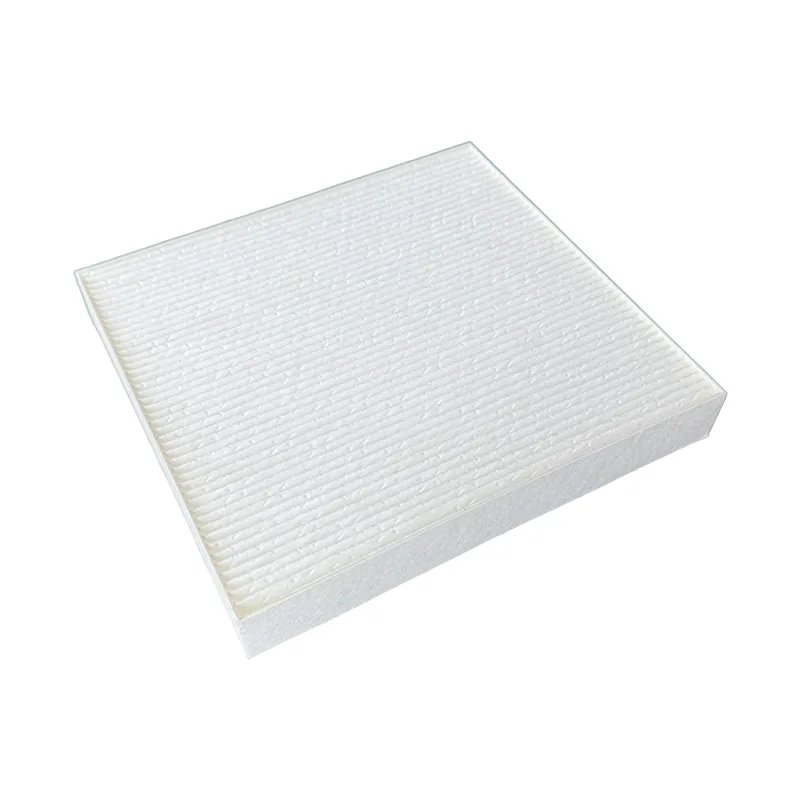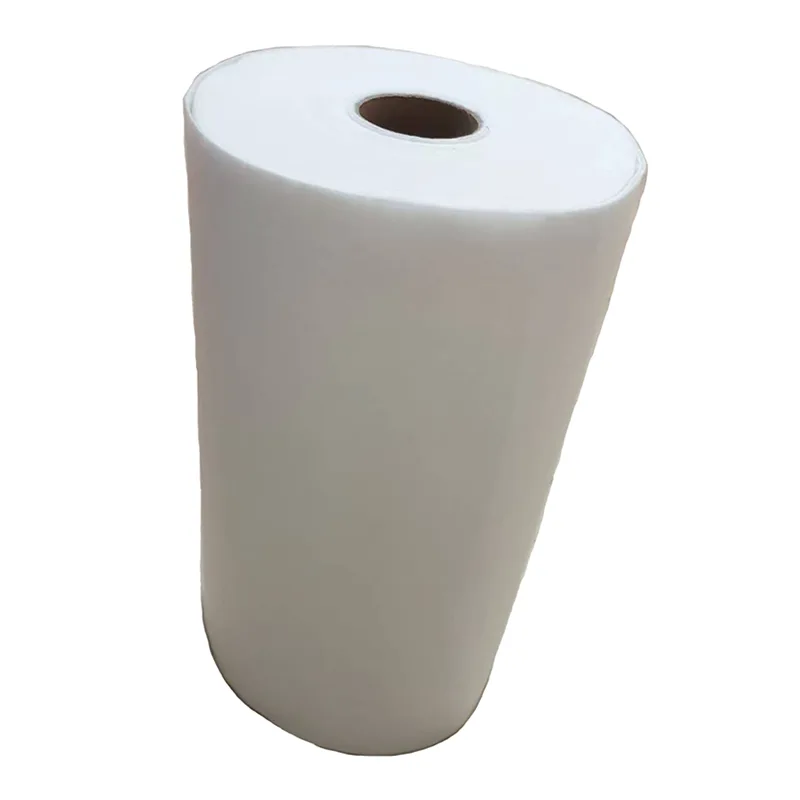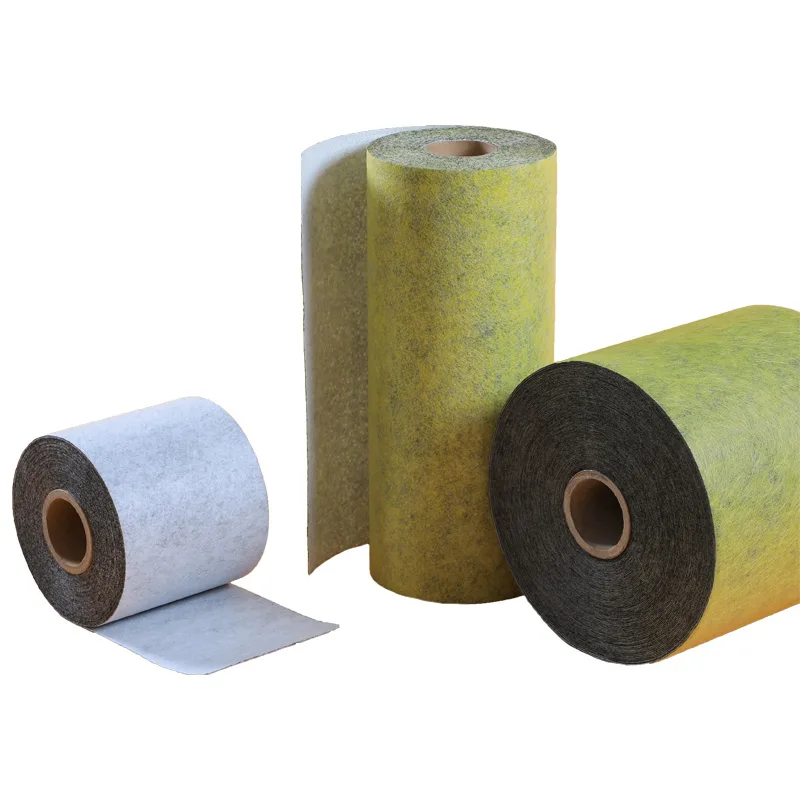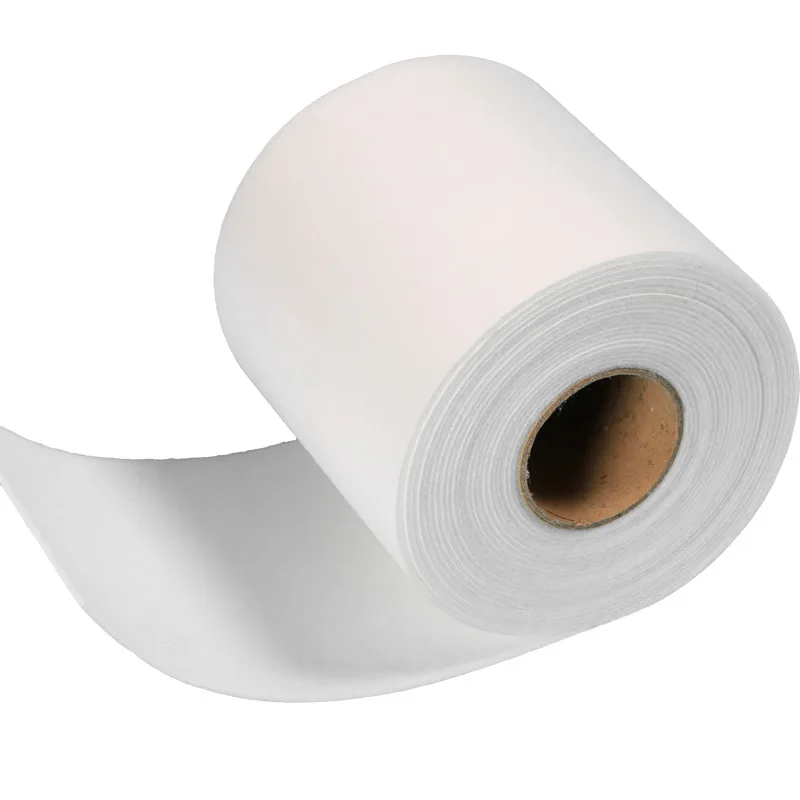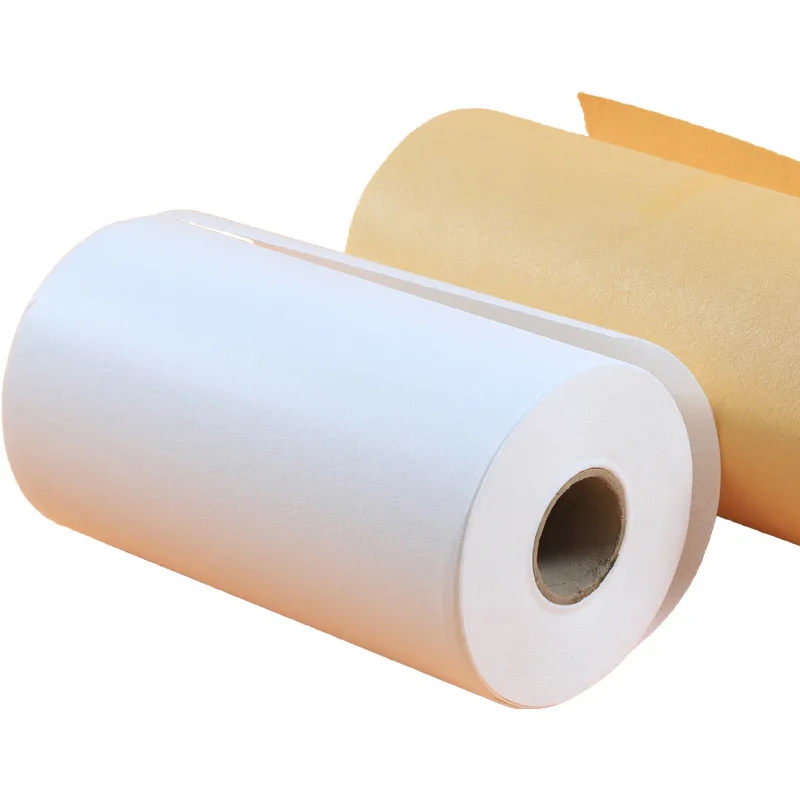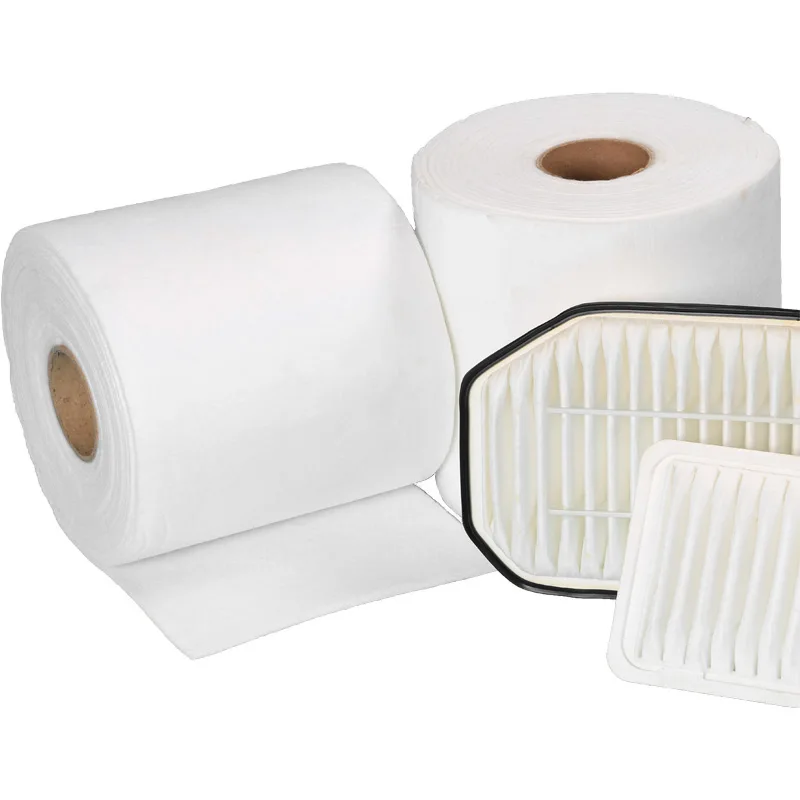
Engine air filter media is a critical yet often overlooked component in automotive and industrial engines. It directly affects airflow efficiency, engine protection, fuel economy, and long-term durability. This article explores how engine air filter media works, the different types available, common customer pain points, selection criteria, performance comparison, maintenance considerations, and how to choose the right filtration solution for different environments. Whether for passenger vehicles, heavy-duty machinery, or industrial engines, understanding air filter media helps users reduce engine wear, improve efficiency, and lower maintenance costs.
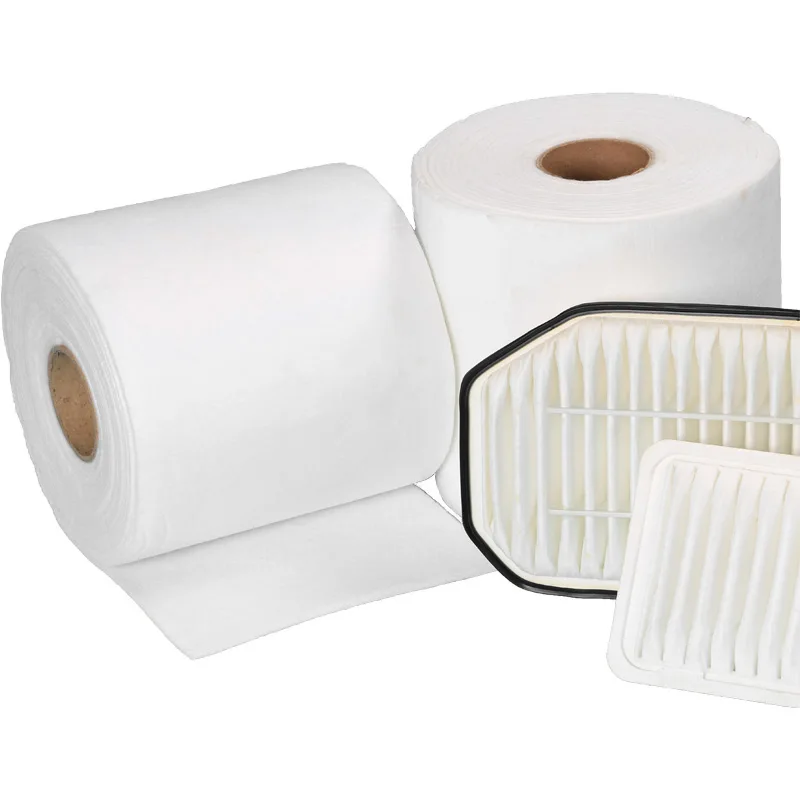
Table of Contents
- 1. Introduction to Engine Air Filter Media
- 2. Why Air Filter Media is Critical for Engine Health
- 3. Types of Engine Air Filter Media
- 4. Performance Comparison of Filter Media
- 5. Common Customer Pain Points
- 6. How to Choose the Right Air Filter Media
- 7. Maintenance and Replacement Guidelines
- 8. Innovation Trends in Filter Media Technology
- 9. Industry Applications
- 10. Frequently Asked Questions
- 11. Conclusion & Contact
1. Introduction to Engine Air Filter Media
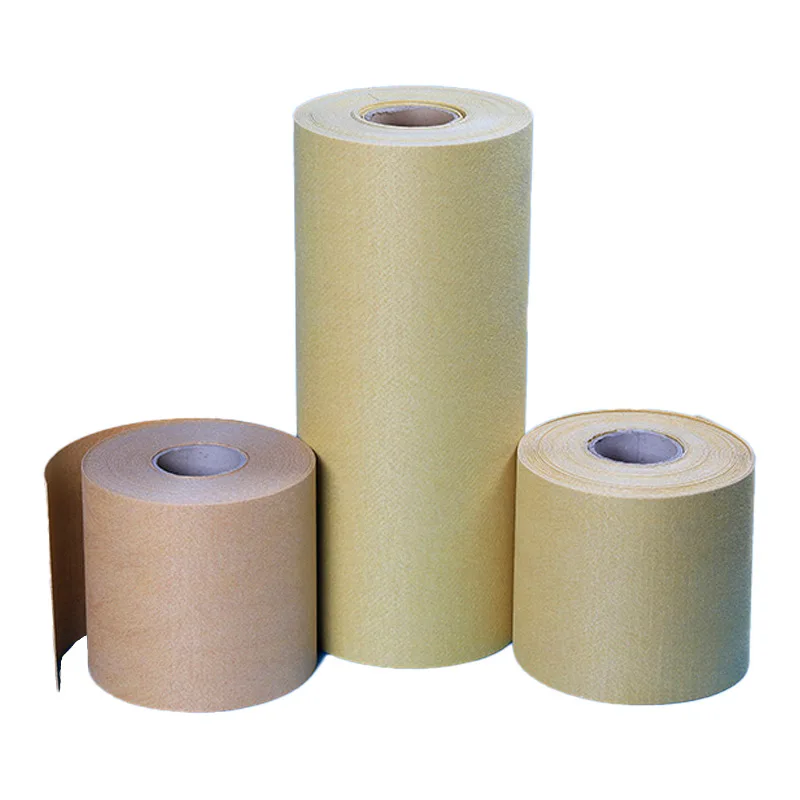
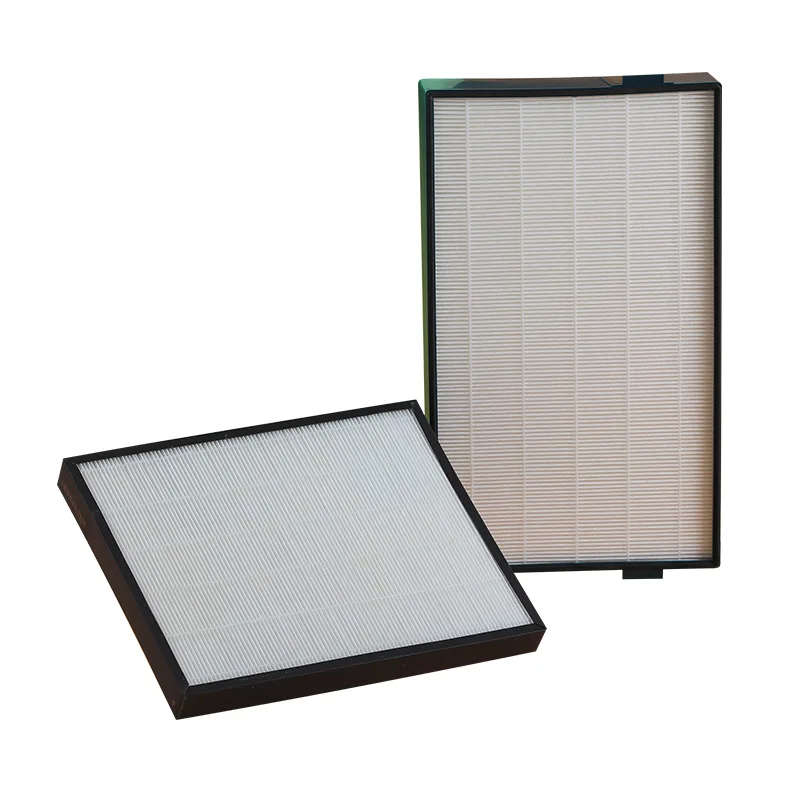
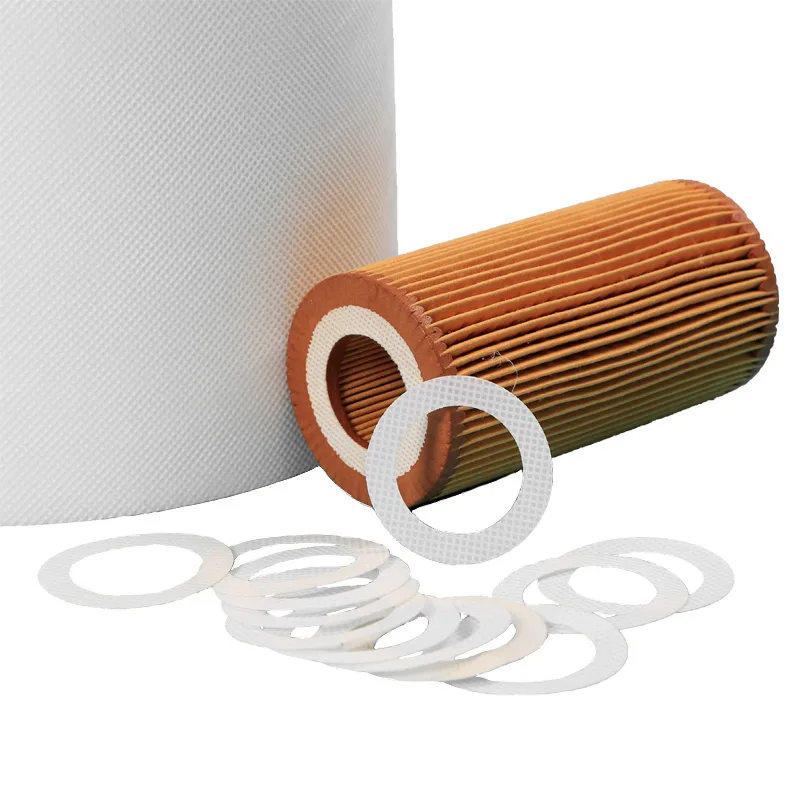
Engine air filter media refers to the filtration material inside an air filter that removes dust, dirt, pollen, sand, and other airborne contaminants before they enter an engine’s combustion chamber. Without effective filter media, even microscopic particles can cause severe engine wear, reduced efficiency, and costly repairs.
In modern engines, where precision engineering and tight tolerances are standard, air filtration quality has become more important than ever. The media is no longer just a simple layer—it is a multi-layer engineered structure designed to balance airflow resistance and particle capture efficiency.
2. Why Air Filter Media is Critical for Engine Health
The engine air filter media plays three essential roles:
- Protects internal engine components from abrasive particles
- Maintains optimal air-to-fuel ratio for efficient combustion
- Extends engine lifespan by reducing wear and tear
Even a small drop in filtration efficiency can lead to carbon buildup, cylinder damage, and reduced fuel efficiency. In harsh environments such as mining, construction, or desert conditions, the role of air filter media becomes even more significant.
3. Types of Engine Air Filter Media
Different filter media materials are used depending on performance requirements and operating environments.
| Type | Material | Key Advantages | Best Use Case |
|---|---|---|---|
| Cellulose Media | Natural plant fibers | Cost-effective, good dust holding capacity | Standard passenger vehicles |
| Synthetic Media | Polyester or blended fibers | High efficiency, moisture resistance | Modern engines, harsh environments |
| Composite Media | Cellulose + synthetic blend | Balanced airflow and filtration | Mid-range performance engines |
| Nanofiber Media | Advanced micro-layer coatings | Ultra-high filtration efficiency | High-performance and industrial engines |
Each type of engine air filter media is engineered for a specific balance between airflow restriction and contaminant capture efficiency.
4. Performance Comparison of Filter Media
The performance of air filter media can be measured by filtration efficiency, airflow resistance, dust holding capacity, and durability.
| Media Type | Filtration Efficiency | Airflow Resistance | Durability |
|---|---|---|---|
| Cellulose | Medium | Low | Moderate |
| Synthetic | High | Medium | High |
| Composite | High | Balanced | High |
| Nanofiber | Very High | Low to Medium | Very High |
Choosing the right balance is essential. A filter that blocks too much airflow can reduce engine power, while one that prioritizes airflow may allow harmful particles inside.
5. Common Customer Pain Points
- Frequent filter clogging in dusty environments
- Reduced engine power due to airflow restriction
- Short filter lifespan in heavy-duty usage
- High maintenance and replacement costs
- Difficulty choosing the right filter media type
Many users underestimate how much engine performance depends on the quality of the air filter media. Poor filtration not only reduces efficiency but also increases long-term operational costs.
6. How to Choose the Right Engine Air Filter Media
When selecting air filter media, consider the following factors:
- Operating environment: dusty, humid, or clean conditions
- Engine type: passenger vehicle, diesel engine, industrial machine
- Filtration efficiency requirements: standard vs high-performance
- Maintenance cycle: long-life or frequent replacement systems
For example, construction machinery requires high dust-holding capacity, while passenger cars prioritize airflow and fuel efficiency.
7. Maintenance and Replacement Guidelines
Proper maintenance ensures maximum efficiency of engine air filter media. Here are key recommendations:
- Inspect filters every 5,000–10,000 km depending on usage
- Replace filters in extremely dusty environments more frequently
- Avoid washing disposable filter media unless specified
- Monitor fuel consumption as an indicator of clogging
Neglecting maintenance can lead to restricted airflow, increased fuel consumption, and engine overheating.
8. Innovation Trends in Filter Media Technology
Modern engine air filter media is evolving rapidly with advanced material science innovations.
- Nanofiber coatings for ultra-fine particle capture
- Electrostatically charged fibers for improved efficiency
- Multi-layer gradient structures for optimized airflow
- Eco-friendly biodegradable filter materials
These innovations aim to improve both environmental sustainability and engine performance simultaneously.
9. Industry Applications
Engine air filter media is widely used across industries:
- Automotive passenger vehicles
- Heavy-duty trucks and buses
- Construction and mining machinery
- Agricultural equipment
- Marine and generator engines
Each application demands a tailored filtration solution based on operating conditions and performance requirements.
10. Frequently Asked Questions
Q1: How often should engine air filter media be replaced?
Typically every 10,000–20,000 km, but it depends on environmental conditions.
Q2: What happens if the air filter is not replaced?
It can lead to reduced engine power, poor fuel economy, and increased wear.
Q3: Which air filter media is best for dusty environments?
Synthetic or nanofiber media is best due to higher dust-holding capacity.
Q4: Can a better air filter improve fuel efficiency?
Yes, better airflow and cleaner combustion can improve efficiency.
Q5: Is expensive filter media always better?
Not always. The best choice depends on engine type and usage conditions.
11. Conclusion & Contact
Engine air filter media is a vital component that directly influences engine health, efficiency, and durability. Understanding its types, performance differences, and maintenance requirements helps users make smarter decisions and reduce long-term operational costs.
For high-quality filtration solutions, Biaodian Nonwovens Technology Co., Ltd. provides advanced engineered filter media designed for automotive and industrial applications. Our materials are developed to meet strict performance standards and adapt to demanding environments.
If you are looking for reliable, high-efficiency engine air filter media solutions, contact us today to explore customized options tailored to your needs. Our technical team is ready to support your filtration challenges with professional expertise and innovative materials.