Email Us

3L@3L.GD.CN

News

How Does Diesel Filter Media Improve Fuel Filtration Performance?

2026-09-09 0 Leave me a message

Diesel fuel filtration is a critical part of protecting modern engines, fuel injection systems, pumps, and other precision components from contaminants. The quality of the diesel filter media directly affects how effectively a filter captures particles, separates water, maintains fuel flow, and performs throughout its service life.

This guide explains the role of diesel filter media, the characteristics that determine filtration performance, common media materials, important selection criteria, manufacturing considerations, and practical ways to avoid premature filter failure. Whether you are sourcing filter media for automotive filters, heavy-duty equipment, agricultural machinery, generators, or industrial diesel systems, understanding the media behind the filter can help you achieve more reliable filtration and lower operating risks.

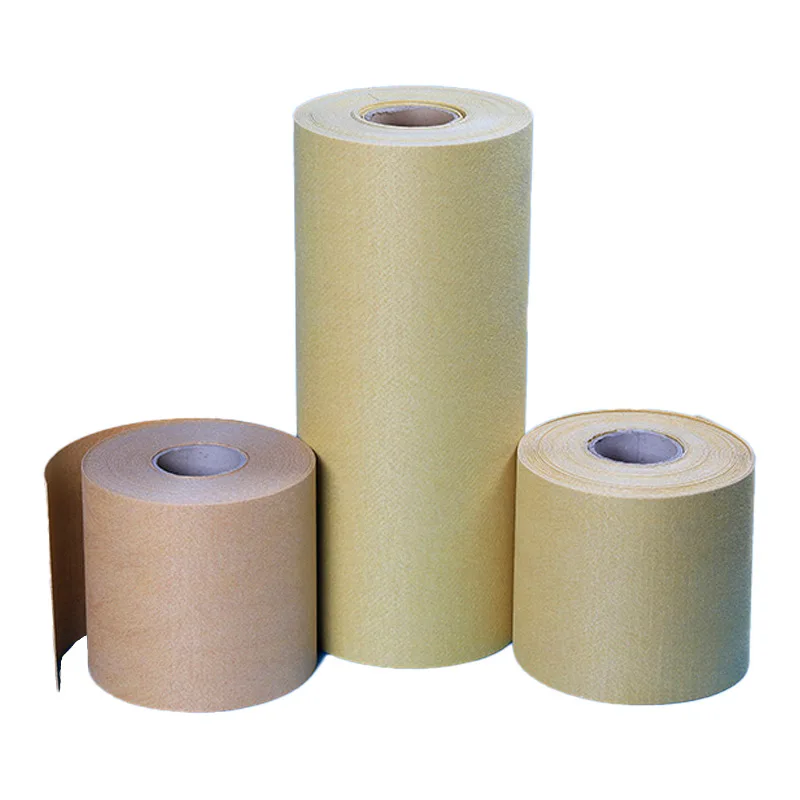
diesel filter media

Table of Contents

  1. What Is Diesel Filter Media?
  2. Why Diesel Filter Media Matters
  3. Which Contaminants Should a Diesel Filter Capture?
  4. Common Materials Used in Diesel Filter Media
  5. Key Performance Characteristics
  6. How to Select the Right Diesel Filter Media
  7. Diesel Filter Media Material Comparison
  8. Common Filter Media Problems
  9. Where Diesel Filter Media Is Used
  10. Maintenance and Filter Life Considerations
  11. Frequently Asked Questions
  12. Final Considerations

What Is Diesel Filter Media?

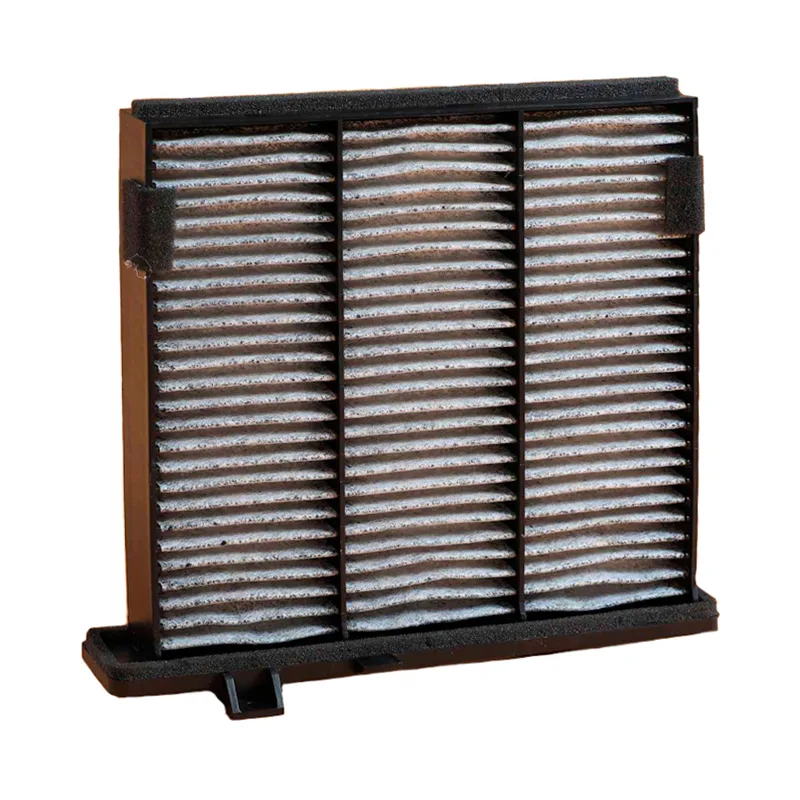
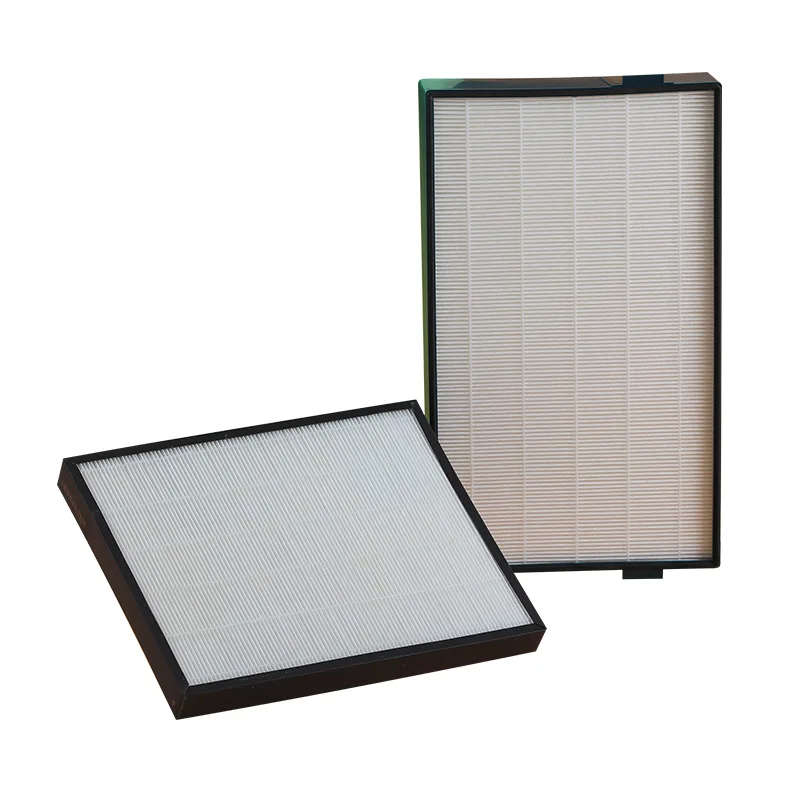
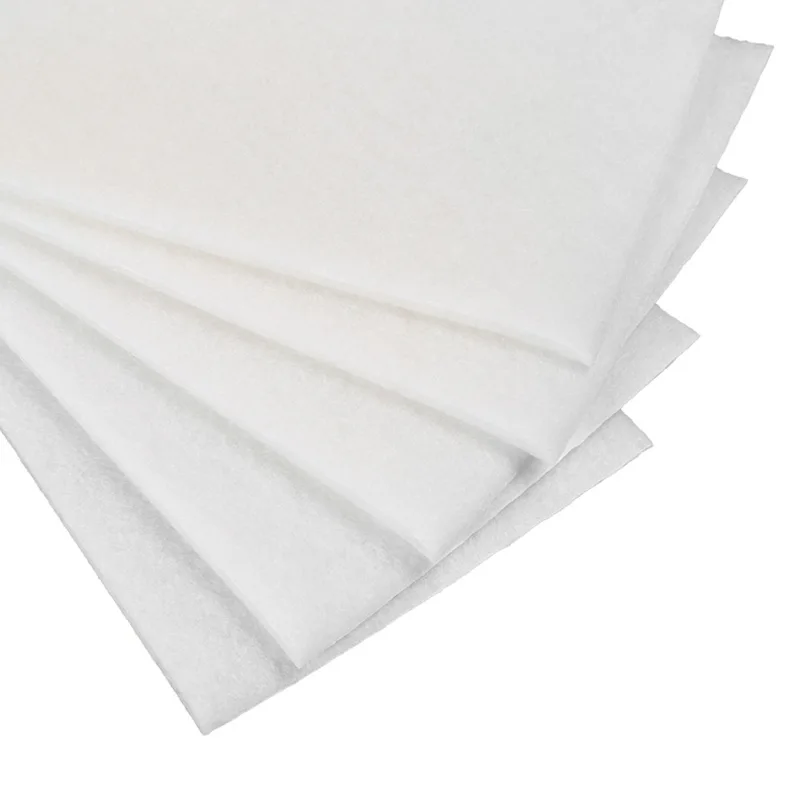
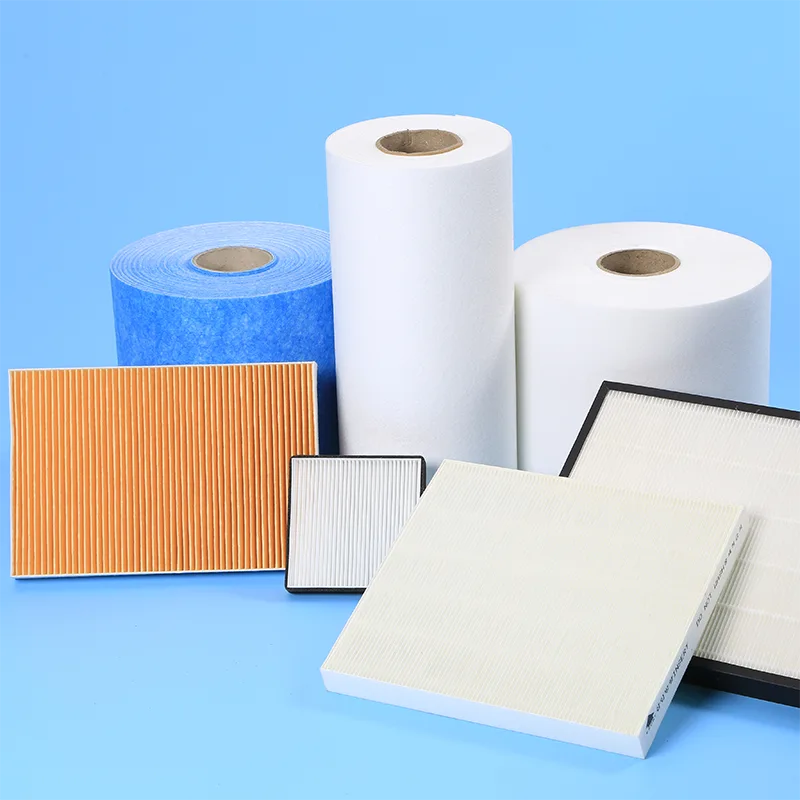
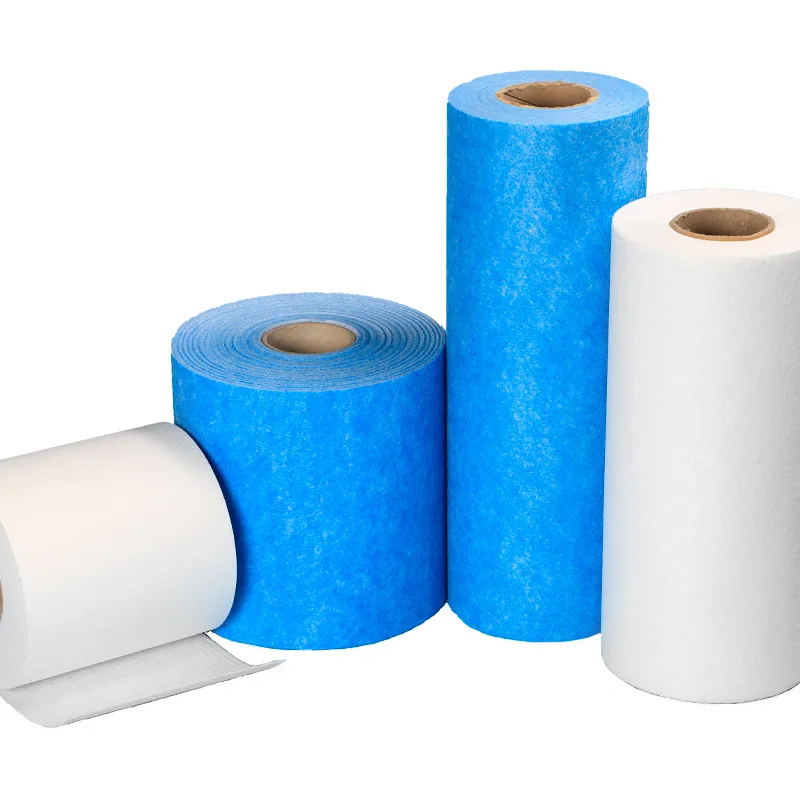
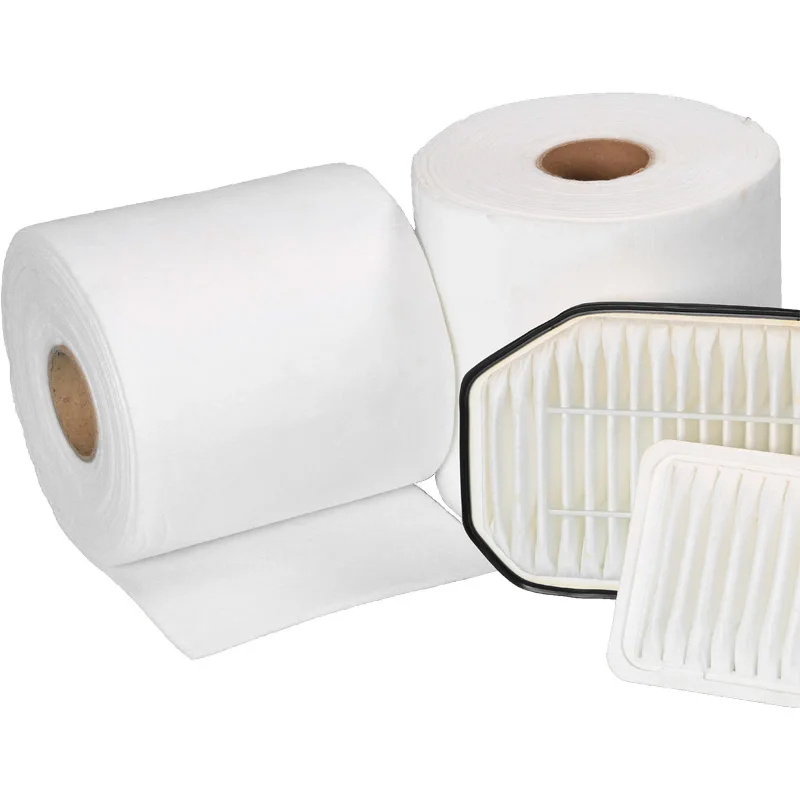
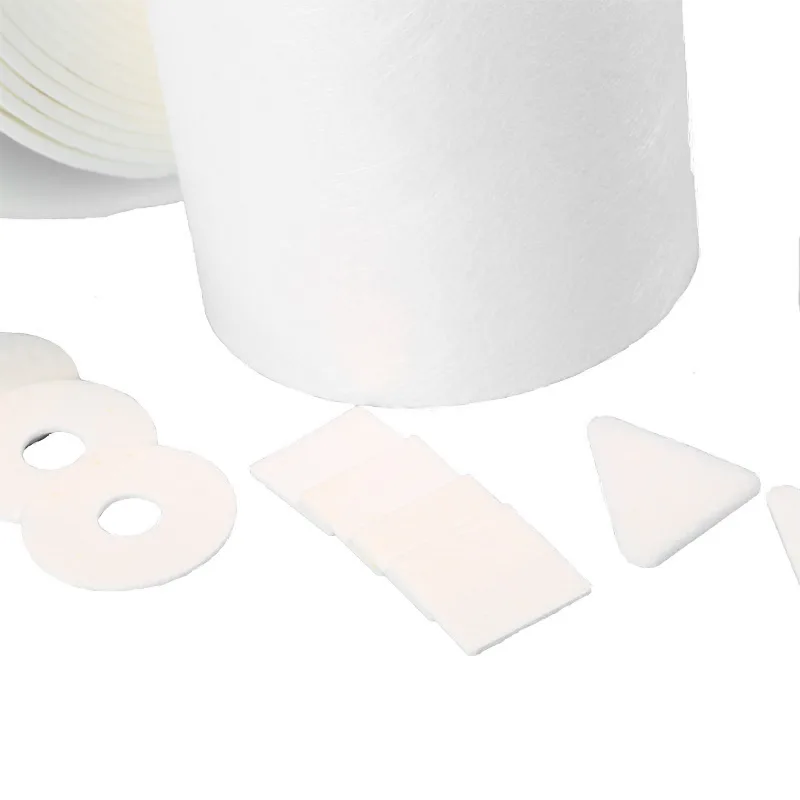
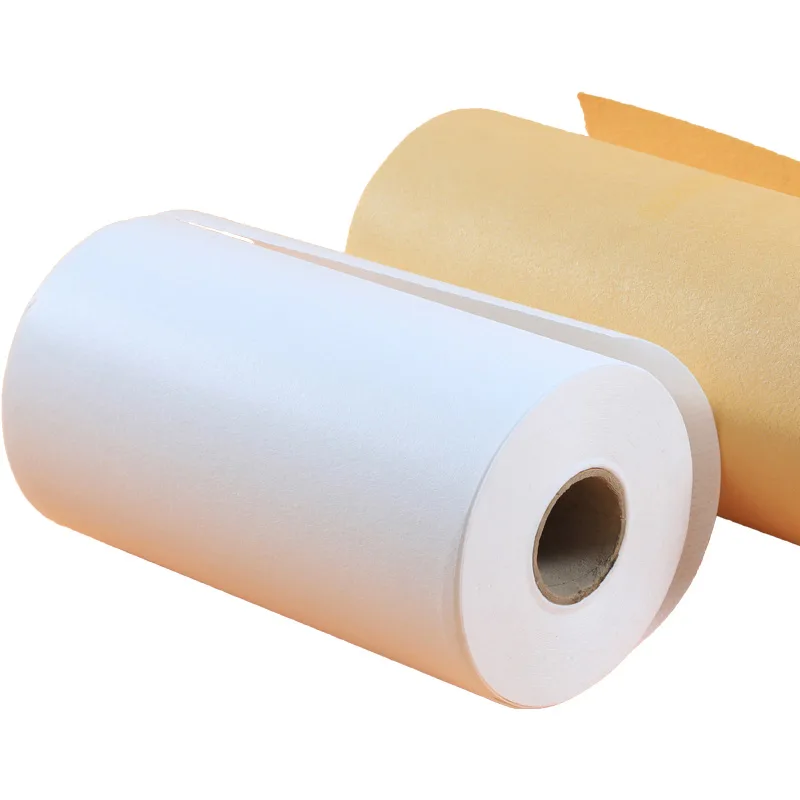
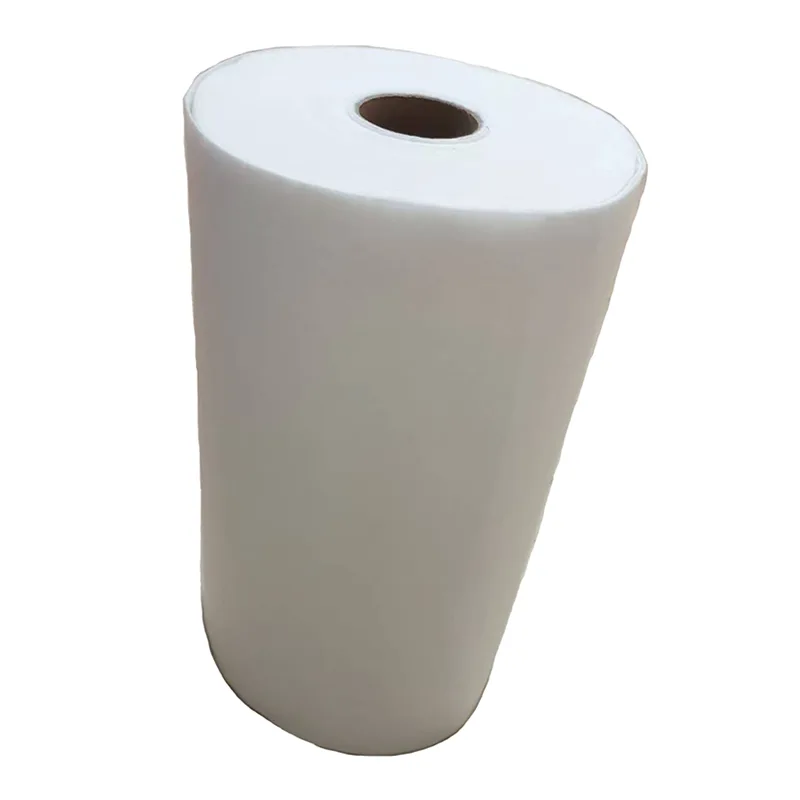
Diesel filter media is the specialized filtering material used inside diesel fuel filters to remove unwanted contaminants from fuel before it reaches sensitive engine components. Although a finished filter may appear to be a simple component, the media performs the core separation function.

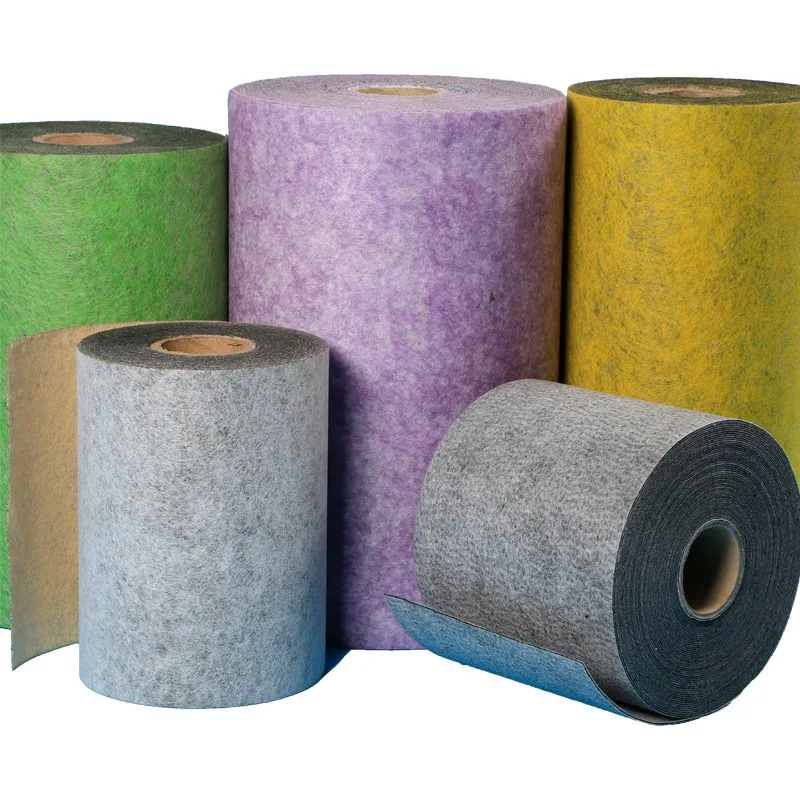
Depending on the filter design, the media may be manufactured from cellulose fibers, synthetic fibers, microfiber structures, or combinations of different materials. The fibers are engineered into a porous structure that allows diesel fuel to pass while retaining particles of targeted sizes.

A well-designed media structure must achieve more than basic particle capture. It needs to provide a practical balance between filtration efficiency, fuel flow, mechanical strength, dirt-holding capacity, pressure resistance, and service life.

This balance is particularly important for modern diesel engines because fuel injection components can operate with extremely tight manufacturing tolerances. Even relatively small contaminants can contribute to wear or interfere with precise fuel delivery.


Why Diesel Filter Media Matters

The filtration media is one of the most important determinants of filter performance. A filter housing may be strong and well-designed, but poor media can still result in inadequate contaminant removal, excessive pressure drop, or short service intervals.

Engine Protection Helps prevent abrasive particles from reaching sensitive fuel-system components.
Stable Fuel Flow A suitable pore structure helps control restriction while maintaining useful flow.
Longer Service Life Good dirt-holding capacity can delay excessive pressure buildup.
Consistent Quality Controlled fiber distribution and manufacturing quality support repeatable filtration.

For fleet operators and equipment manufacturers, these factors can influence maintenance frequency, component reliability, downtime, and operating costs. For filter manufacturers, selecting the right media is therefore a technical decision rather than simply a material purchasing decision.


Which Contaminants Should a Diesel Filter Capture?

Diesel fuel can contain different types of contaminants depending on storage conditions, transportation, fuel-handling practices, equipment age, and environmental exposure. Effective filter media must be designed around the actual contamination profile of the application.

Contaminant Potential Risk Filtration Consideration
Dust and dirt Abrasive wear Fine particle capture and adequate dirt-holding capacity
Metal particles Component wear and contamination Strong, consistent media structure
Water Corrosion and fuel-system problems Water-separation capability when required
Organic deposits Flow restriction Appropriate pore structure and contaminant capacity


Common Materials Used in Diesel Filter Media

Different applications require different media characteristics. The most appropriate material depends on filtration targets, fuel compatibility, operating temperature, pressure conditions, expected service life, and cost requirements.

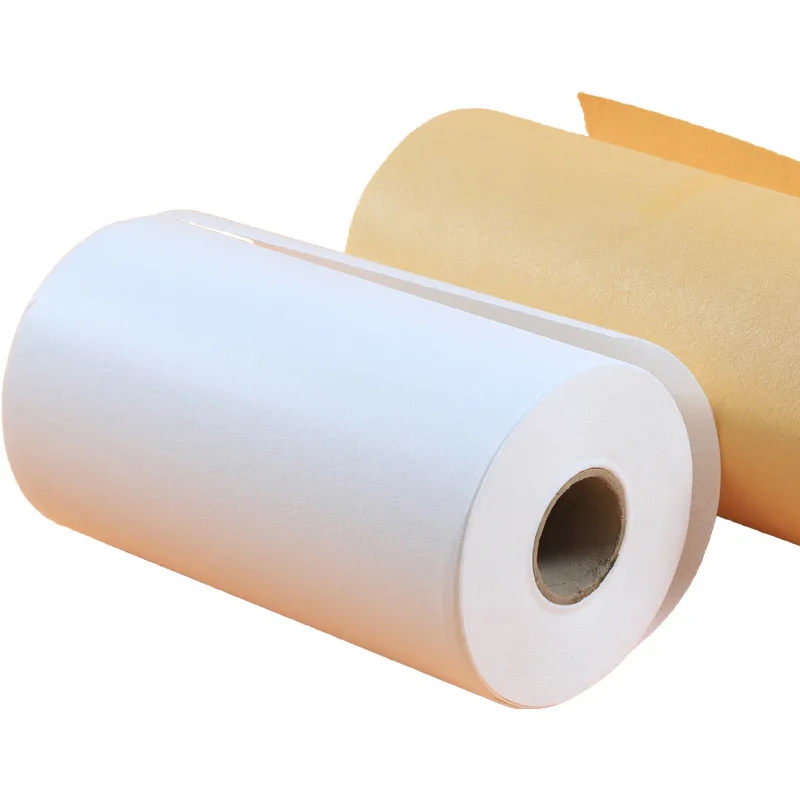
  • Cellulose media: Cellulose-based filter media has long been used in automotive and industrial filtration. It can offer a practical balance between filtration capability and cost.
  • Synthetic media: Synthetic fibers can be engineered for consistent fiber dimensions, controlled pore structures, high strength, and demanding filtration requirements.
  • Microfiber media: Fine fibers can provide a large effective filtration surface and support high-efficiency particle capture when properly engineered.
  • Composite media: Multi-layer constructions can combine different fiber structures to improve filtration efficiency, dirt-holding capacity, and flow characteristics.

The choice should not be based solely on whether a material is described as “premium.” Actual performance depends on the complete media construction, manufacturing process, pleat geometry, binder system, filter design, and application conditions.


Key Performance Characteristics

When evaluating diesel filter media, several technical characteristics should be considered together rather than focusing on one specification.

  1. Filtration efficiency: Indicates how effectively the media removes particles at targeted sizes. The required efficiency depends on the downstream components and engine system.
  2. Pressure drop: Excessive restriction can reduce fuel flow. A well-designed media structure seeks a suitable balance between particle capture and permeability.
  3. Dirt-holding capacity: Media must retain contaminants without rapidly becoming excessively restrictive.
  4. Mechanical strength: The media needs to withstand handling, pleating, assembly, pressure changes, and operating conditions without structural failure.
  5. Fuel compatibility: Fibers, binders, adhesives, and other components should remain stable when exposed to the intended fuel environment.
  6. Thermal stability: Applications exposed to elevated temperatures require media that can maintain structural integrity over the expected operating range.
Practical insight:

The highest filtration efficiency is not automatically the best solution. If a media is excessively restrictive or has insufficient dirt-holding capacity, overall filter performance may suffer. The best solution is the one engineered for the complete operating system.


How to Select the Right Diesel Filter Media

Filter manufacturers and industrial buyers should define the application before choosing a media specification. A structured evaluation can reduce the risk of selecting a material that performs well in laboratory conditions but poorly in real equipment.

  1. Define the fuel environment. Identify the diesel type, additives, expected temperature range, and operating conditions.
  2. Determine the target particle size. Understand which contaminants must be captured and how sensitive the downstream components are.
  3. Set the required flow rate. Media must provide sufficient permeability for the intended fuel flow.
  4. Evaluate pressure resistance. Consider both normal operating pressure and potential restriction during filter loading.
  5. Check dirt-holding capacity. A larger contaminant capacity can be particularly valuable in dusty environments and heavy-duty applications.
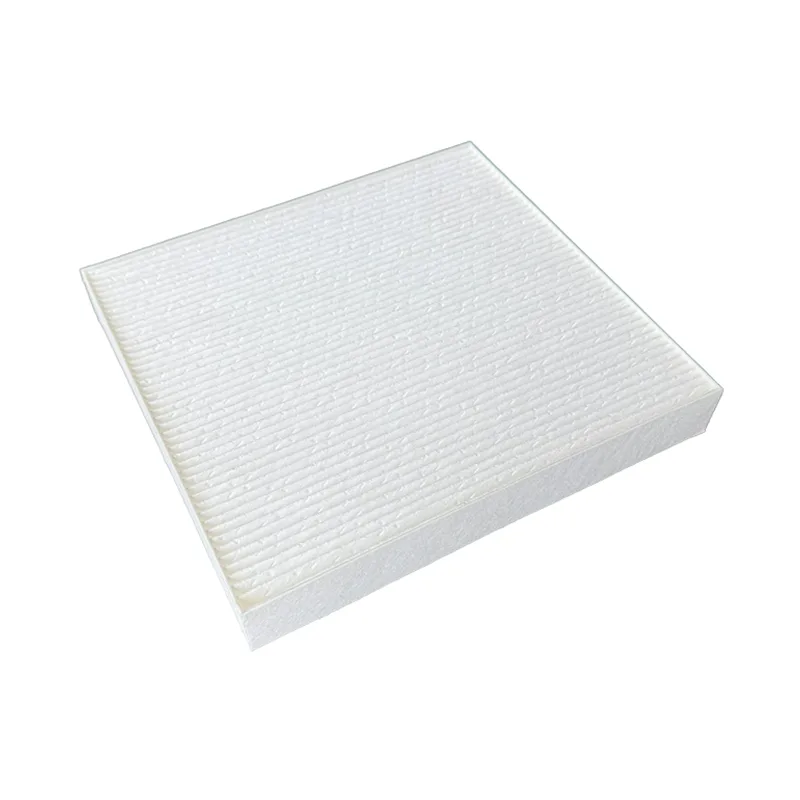
  6. Review manufacturing compatibility. Confirm that the media can be pleated, bonded, cut, and assembled according to the filter design.
  7. Request application-specific testing. Test data is more useful when it reflects the actual filter configuration and operating conditions.

Diesel Filter Media Material Comparison

Media Type Typical Strength Potential Advantage Key Consideration
Cellulose Balanced Cost-effective filtration Application-specific durability requirements
Synthetic High Consistent fiber structure Material cost and exact formulation
Microfiber High Fine particle filtration potential Must be balanced against pressure drop
Composite Application-dependent Combines multiple functional layers More complex construction

This comparison is a general engineering guide rather than a substitute for application-specific testing. Media performance can vary substantially according to fiber diameter, basis weight, porosity, treatment, layer structure, and production process.


Common Filter Media Problems

Many filtration problems are not caused by the concept of the filter itself but by a mismatch between the media and the application. Common issues include:

  • Premature clogging: The media may have insufficient dirt-holding capacity for the contamination level.
  • Excessive pressure drop: A media structure that is too restrictive can interfere with required fuel flow.
  • Insufficient particle capture: A pore structure that is too open may allow unwanted contaminants to pass.
  • Media deformation: Inadequate strength can cause damage during assembly or operation.
  • Fuel incompatibility: Certain binders or treatments may not be suitable for every fuel environment.
  • Inconsistent production: Variations in basis weight, thickness, porosity, or fiber distribution can result in inconsistent filter performance.

For manufacturers experiencing inconsistent filtration results, it is useful to examine the complete production chain rather than changing only one specification. Media, pleat depth, filter area, sealing, adhesive, housing design, and operating conditions can all interact.


Where Diesel Filter Media Is Used

Diesel filtration media is used across a wide range of transportation, industrial, agricultural, and power-generation applications.

Passenger and commercial diesel vehicles
Construction machinery
Agricultural equipment
Diesel generators
Marine diesel systems
Industrial diesel engines

Heavy-duty applications may place particularly demanding requirements on media because equipment can operate for long periods in dusty environments, under high loads, or far from maintenance facilities. In these situations, media durability and contaminant-holding capacity become especially important.


Maintenance and Filter Life Considerations

Even high-quality diesel filter media cannot compensate for poor fuel storage, contaminated fuel, damaged filter housings, or delayed maintenance. Proper system management helps the media perform as intended.

  1. Replace filters according to the equipment manufacturer's maintenance recommendations and actual operating conditions.
  2. Inspect fuel storage tanks and transfer systems for accumulated sediment and water.
  3. Prevent dust and moisture from entering fuel during filling and handling.
  4. Monitor signs of abnormal restriction or reduced fuel delivery.
  5. Use replacement filter media that matches the required filtration specifications.
  6. For demanding applications, use service data and field conditions to determine appropriate replacement intervals.

A filter that appears visually clean is not necessarily operating at peak performance, while a filter that looks dirty is not automatically defective. Proper evaluation should consider pressure drop, contaminant loading, flow requirements, and the operating history of the equipment.
Frequently Asked Questions

What is the main purpose of diesel filter media?

Its primary purpose is to remove unwanted contaminants from diesel fuel before the fuel reaches sensitive components. Depending on the filter design, the media may also contribute to water separation and stable fuel flow.

Is synthetic media always better than cellulose?

Not necessarily. Synthetic media can provide advantages in certain high-performance applications, but the correct choice depends on filtration targets, flow requirements, durability, fuel compatibility, operating conditions, and cost.

Does finer filtration always provide better performance?

No. Finer filtration can improve particle capture, but excessively restrictive media can increase pressure drop and reduce useful fuel flow. Effective filter design requires a balance between efficiency and permeability.

What should buyers ask a diesel filter media supplier?

Buyers should ask about media material, basis weight, thickness, permeability, filtration performance, mechanical strength, fuel compatibility, operating temperature range, production consistency, available testing data, customization capability, and recommended applications.

Can diesel filter media be customized?

Yes. Depending on the manufacturer and application, media can potentially be developed with different material combinations, thicknesses, basis weights, pore structures, widths, and other characteristics to meet specific filter designs.

Why is consistent media quality important?

Variations in fiber distribution, thickness, porosity, or strength can change filtration behavior from one production batch to another. Consistent media quality helps manufacturers maintain predictable filter performance.


Final Considerations

High-quality diesel filter media is fundamental to effective fuel filtration. The right media helps control contaminants while maintaining an appropriate balance between filtration efficiency, fuel flow, pressure drop, durability, and service life.

For filter manufacturers, purchasing teams, and equipment producers, the best approach is to evaluate media according to the complete application rather than relying on a single specification. Fuel characteristics, contaminant levels, flow requirements, operating temperatures, filter construction, and expected service conditions should all be considered.

As diesel engines continue to demand cleaner fuel and increasingly precise fuel-system performance, filtration media will remain an important component in reliable engine protection. Choosing a capable media supplier with consistent manufacturing processes and application-focused technical support can help reduce filtration problems and improve finished filter quality.

Looking for Reliable Diesel Filter Media?

Choosing the right filtration material can make a significant difference to the performance and reliability of your finished diesel filter products. Biaodian Nonwovens technology Co., Ltd focuses on nonwoven filtration materials and can provide professional support for customers seeking suitable media solutions for different industrial filtration requirements.

Contact us to discuss your diesel filter media requirements, including material selection, specifications, application needs, customization, and bulk supply. Our team can help you identify a practical filtration media solution for your production and performance targets.

Related News
Leave me a message
X
We use cookies to offer you a better browsing experience, analyze site traffic and personalize content. By using this site, you agree to our use of cookies.Privacy Policy
RejectAccept