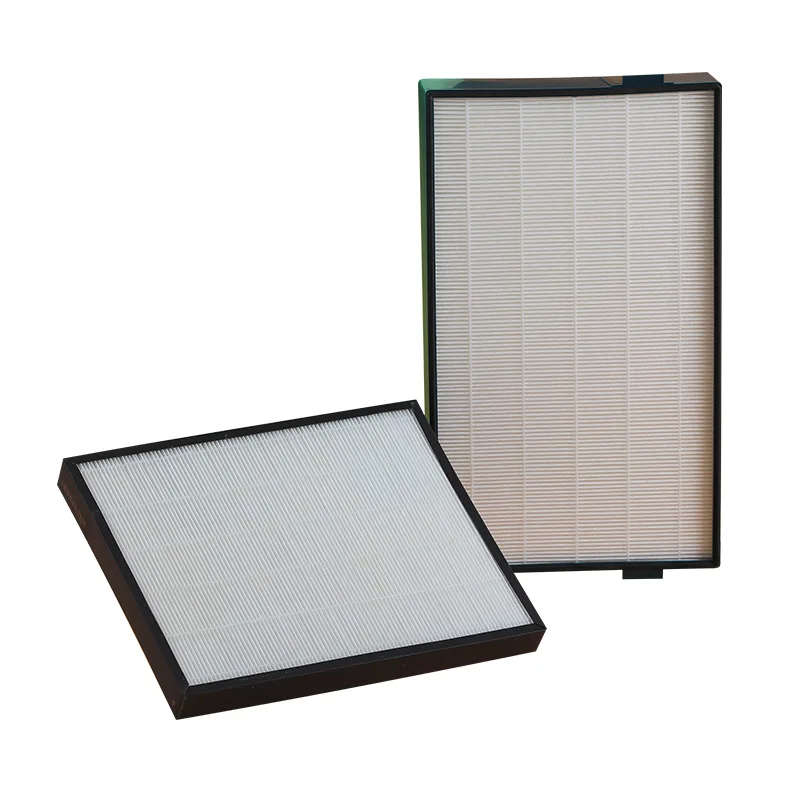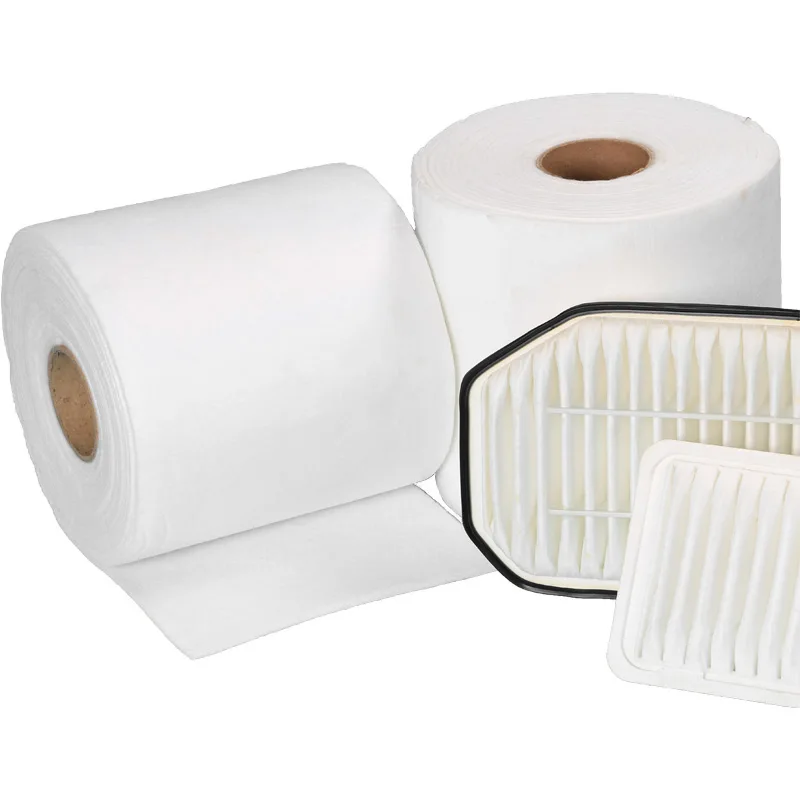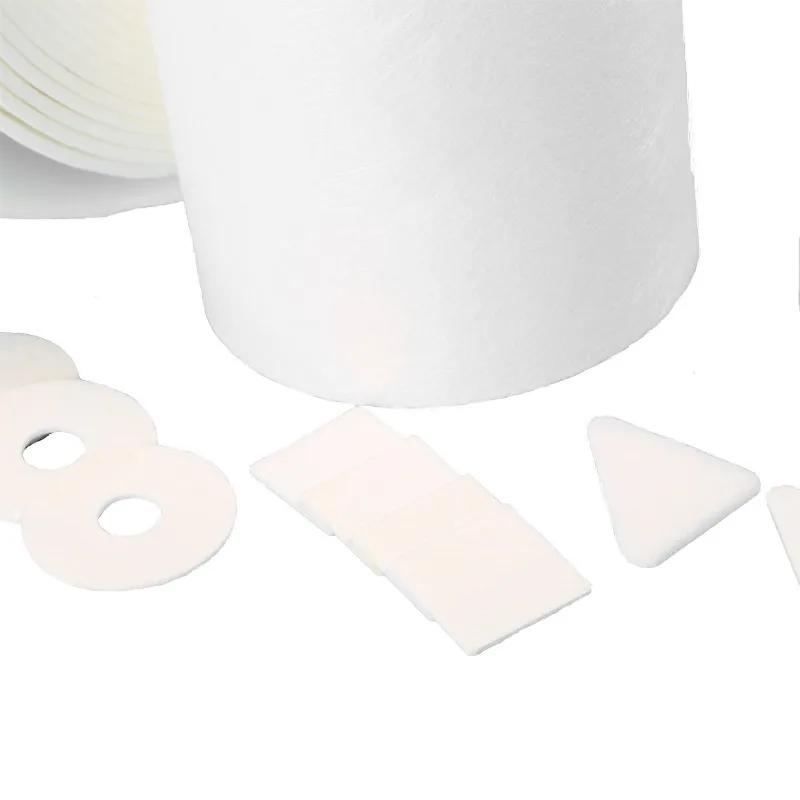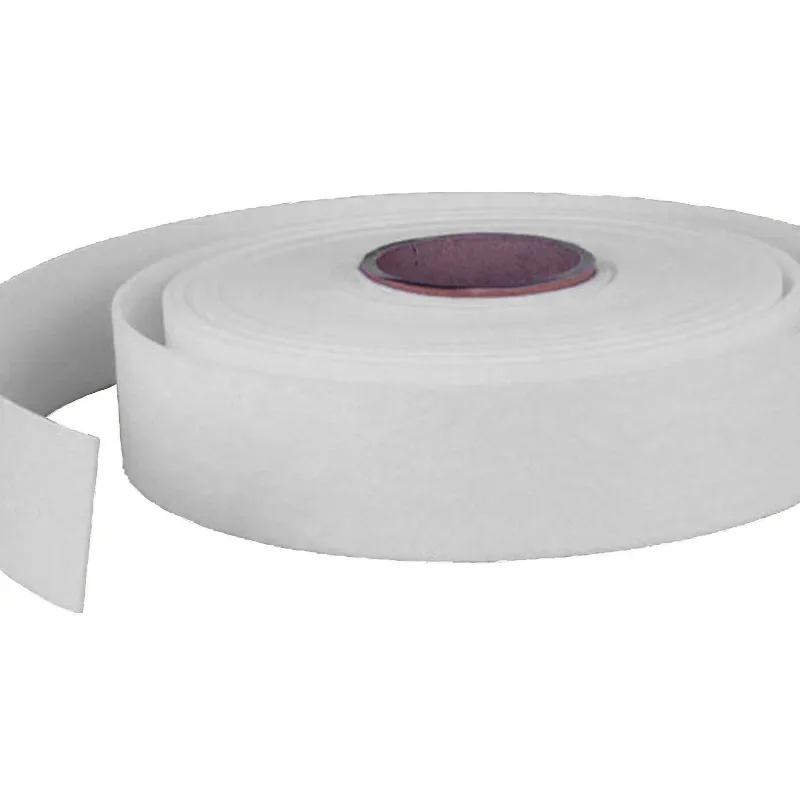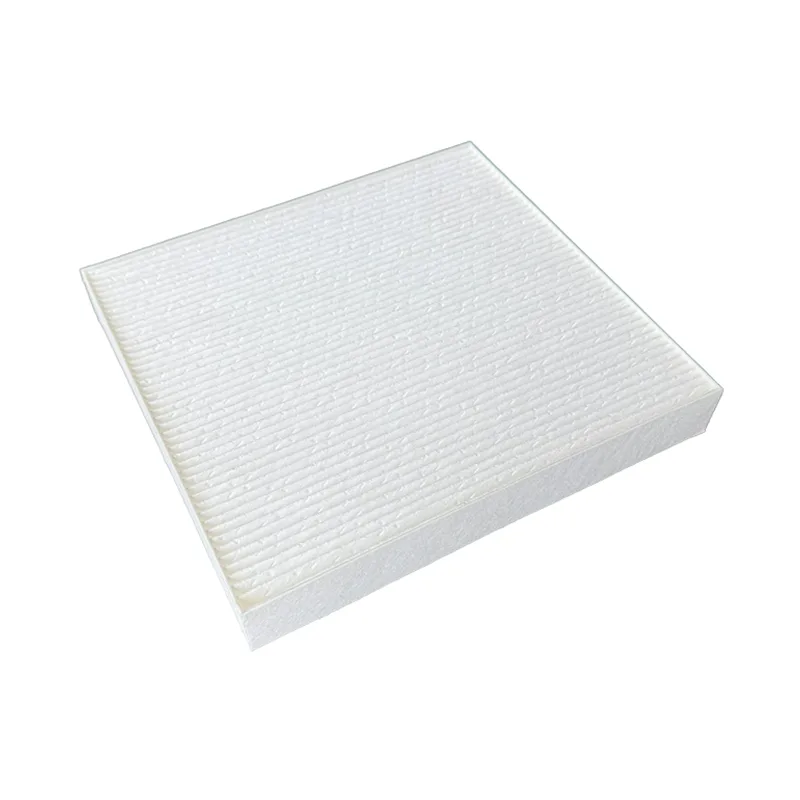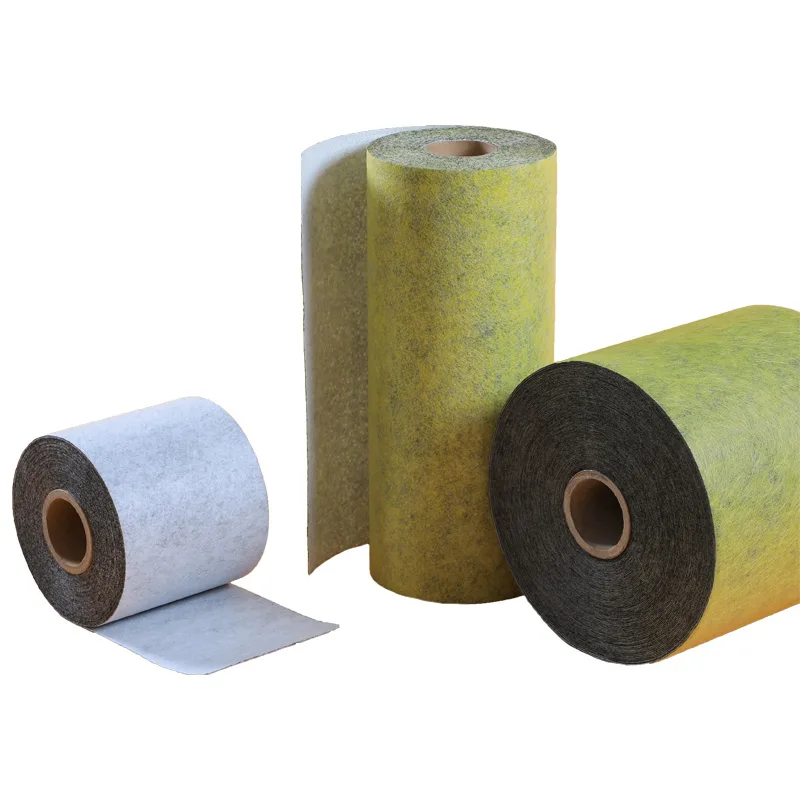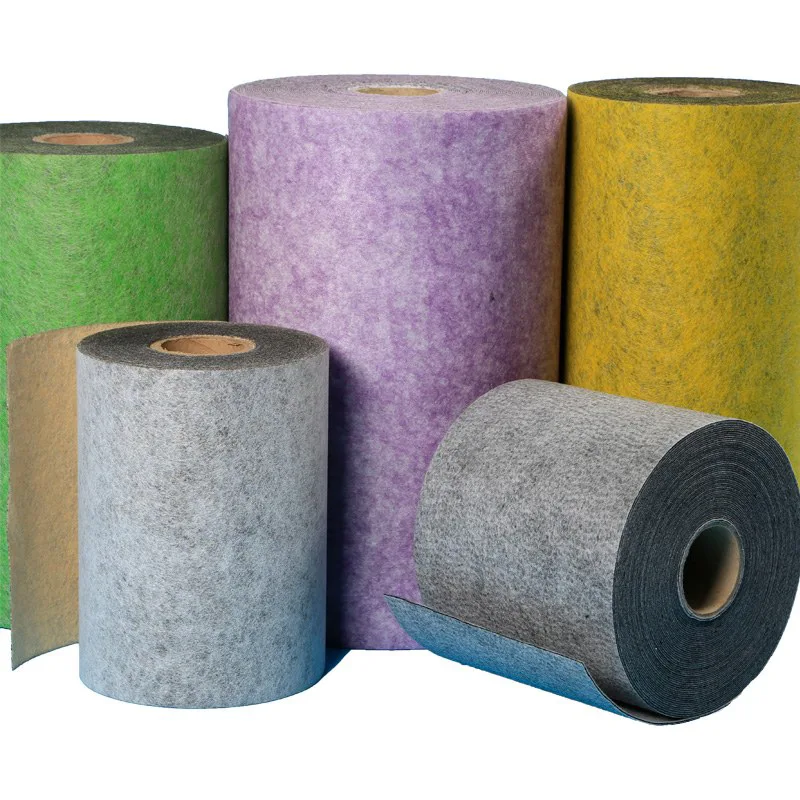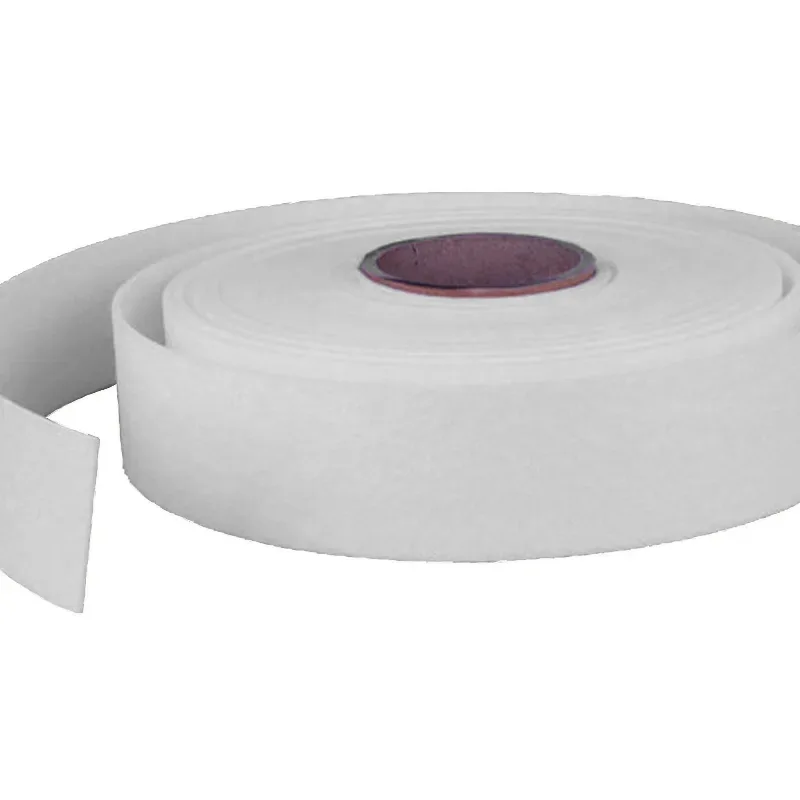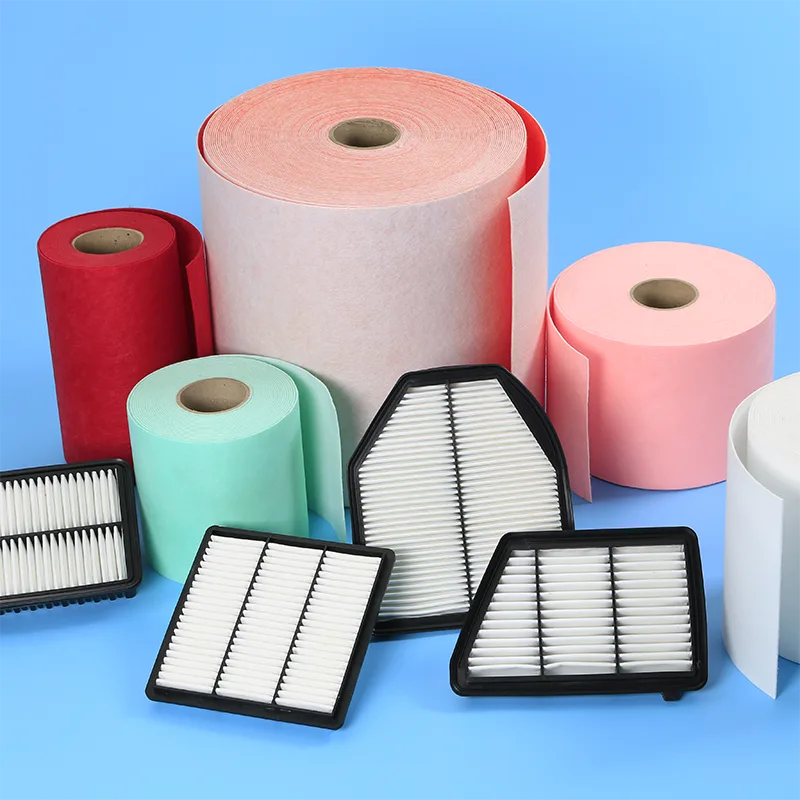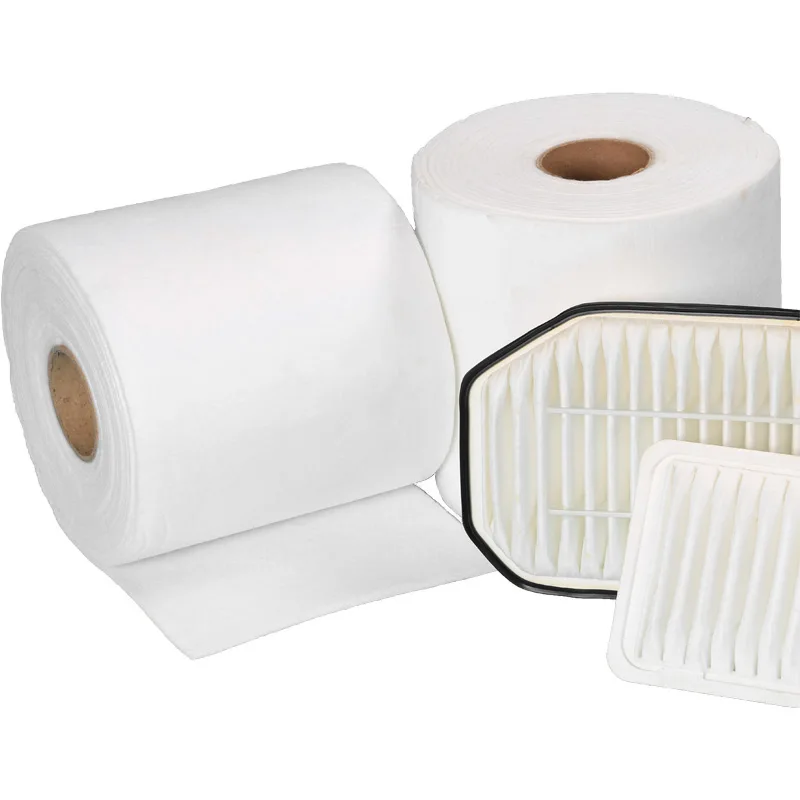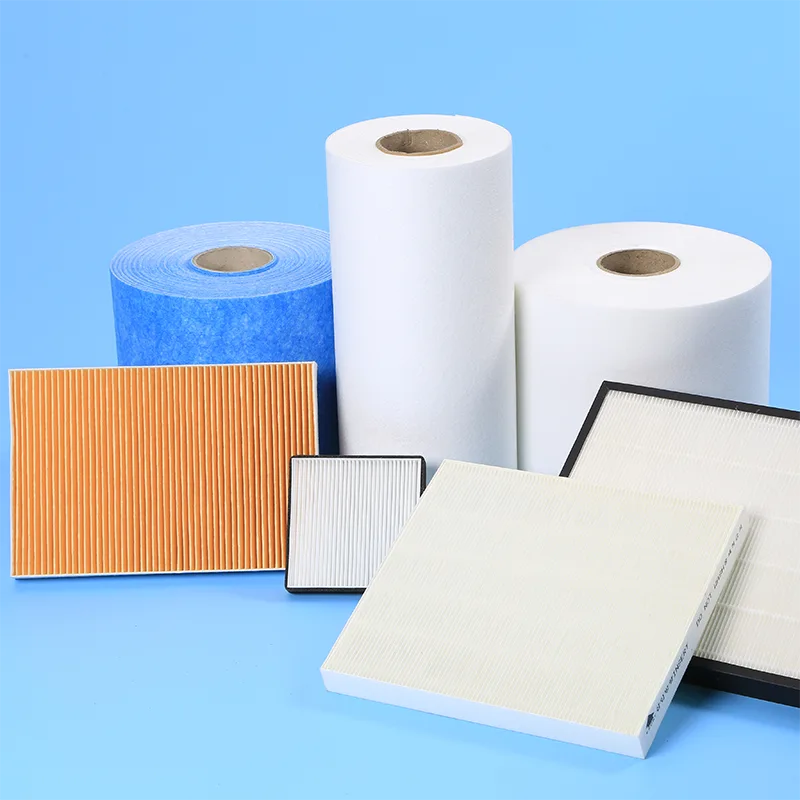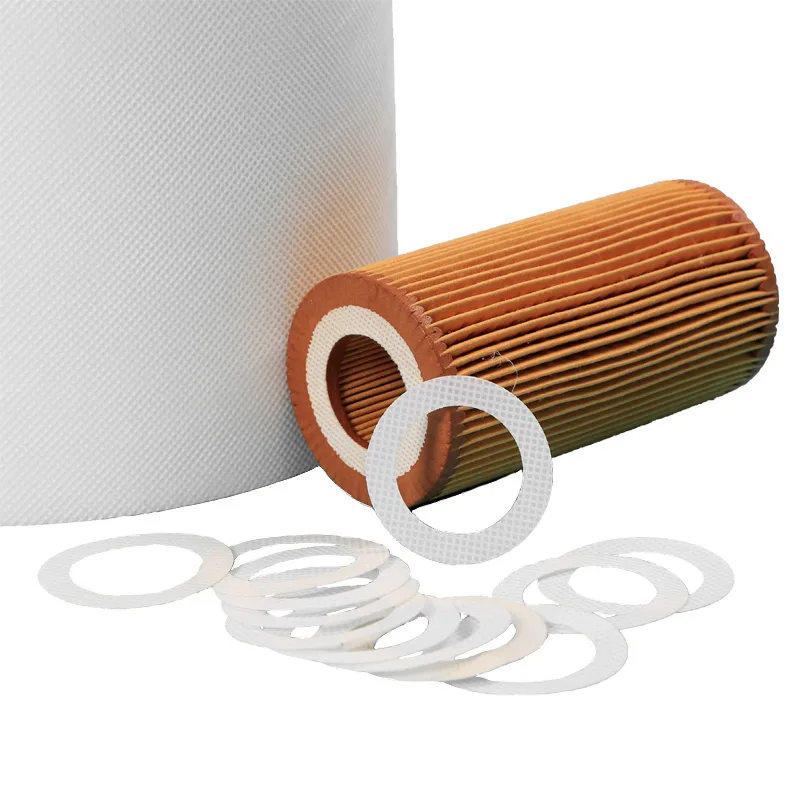
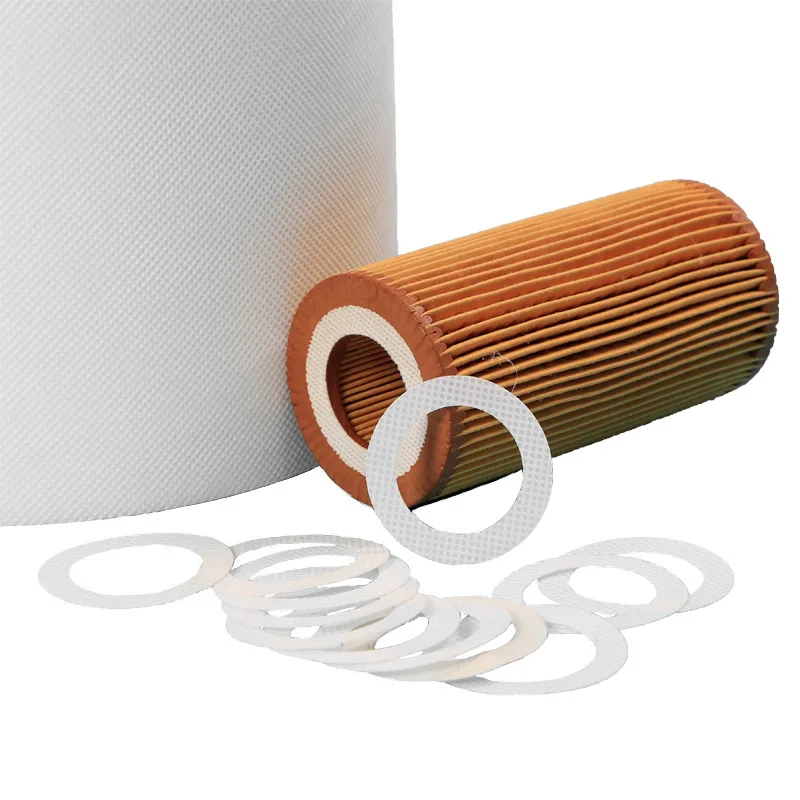
A Non-Woven Oil Filter Gasket is more than a simple sealing component. It must maintain dimensional stability, resist prolonged oil exposure, tolerate temperature fluctuations, and remain securely positioned inside an oil filter assembly. This guide explains how non-woven gasket materials work, which performance factors matter during purchasing, common application challenges, quality checkpoints, customization considerations, and how buyers can select a reliable solution for automotive and industrial filtration systems.
- Understanding the Non-Woven Oil Filter Gasket
- How the Gasket Supports an Oil Filter Assembly
- Material Characteristics That Matter
- Key Performance Requirements
- Common Problems Buyers Need to Avoid
- How to Evaluate a Non-Woven Oil Filter Gasket
- Customization for Different Filter Designs
- Quality Control and Production Consistency
- Applications and Typical Use Environments
- Frequently Asked Questions
- Conclusion
1. Understanding the Non-Woven Oil Filter Gasket
An oil filter assembly has to control the movement of lubricating oil while keeping the filtration path stable. Although the filter media receives most of the attention, sealing and support components are equally important to the overall construction. A Non-Woven Oil Filter Gasket is designed to provide controlled contact between selected components and help reduce unwanted oil leakage or bypass.
In practical applications, the gasket may be exposed to hot oil, pressure fluctuations, vibration, compression, and repeated temperature changes. Its performance therefore depends not only on the nominal material but also on thickness, density, fiber structure, compression behavior, dimensional accuracy, and compatibility with the surrounding filter components.
Non-woven filtration materials are already widely used in oil and liquid filtration because fiber structure can be engineered to balance permeability, mechanical strength, and filtration-related performance. Research and industry references also identify automotive oil filtration as an important application for engineered non-woven materials.
2. How the Gasket Supports an Oil Filter Assembly
The primary purpose of a gasket is to establish a dependable sealing interface. However, in a complete oil filter assembly, its function can extend beyond basic sealing. The gasket may help maintain component positioning, accommodate small dimensional variations, distribute contact pressure, and support consistent assembly.
A properly engineered gasket helps ensure that oil follows the intended filtration route rather than taking an easier path around a sealing interface. This becomes particularly important when filtration systems operate under changing flow and pressure conditions.
| Function | Why It Matters | Potential Risk if Poorly Controlled |
|---|---|---|
| Sealing | Helps prevent unwanted oil leakage or bypass. | Reduced system reliability or contamination control. |
| Positioning | Helps maintain the relationship between filter components. | Assembly displacement or uneven contact. |
| Compression support | Allows the gasket to maintain contact under assembly pressure. | Loss of sealing effectiveness. |
| Dimensional compensation | Helps accommodate controlled manufacturing tolerances. | Inconsistent sealing between production batches. |
3. Material Characteristics That Matter
Material selection is one of the first decisions when developing a Non-Woven Oil Filter Gasket. Different applications can require different combinations of flexibility, oil resistance, thermal stability, mechanical strength, and dimensional retention.
Polyester-based non-woven structures are frequently considered where mechanical stability and resistance to demanding environments are important. Other fiber systems may be selected depending on the required temperature range, chemical exposure, manufacturing process, and final filter construction.
For oil filtration applications, the material should be evaluated in the actual operating environment rather than solely by its dry-state properties. Long-term contact with hot engine oil can change the behavior of some materials, making oil compatibility testing an important part of product validation.
| Property | Buyer Question | Why It Should Be Checked |
|---|---|---|
| Oil resistance | Does the material remain stable after oil exposure? | Helps reduce swelling, degradation, or loss of sealing performance. |
| Temperature resistance | Can it tolerate the application's temperature cycle? | Oil filter environments can involve significant temperature changes. |
| Compression behavior | Does the gasket retain sufficient contact pressure? | Important for long-term sealing reliability. |
| Dimensional stability | Does the gasket maintain its designed shape? | Helps maintain consistent assembly performance. |
| Mechanical strength | Can it withstand handling and assembly? | Reduces tearing or deformation during production. |
4. Key Performance Requirements
The most suitable Non-Woven Oil Filter Gasket is determined by the complete operating environment. A buyer should consider the following performance factors before confirming a bulk order.
- Oil compatibility: The material should remain stable during prolonged contact with the intended oil formulation.
- Temperature stability: The gasket should tolerate expected operating and transient temperatures without excessive deformation.
- Dimensional precision: Outside diameter, inside diameter, thickness, and profile should correspond to the filter design.
- Compression consistency: The gasket should provide repeatable contact characteristics during assembly.
- Tear resistance: The material should withstand handling, cutting, transportation, and installation.
- Shape retention: The gasket should remain sufficiently stable during storage and assembly.
- Batch consistency: Production-to-production variation should be controlled through defined specifications and inspection.
Filter media research shows that fiber diameter, basis weight, pore structure, and material composition can significantly influence liquid filtration behavior. Similar attention to measurable material parameters is useful when developing supporting components for filtration assemblies.
5. Common Problems Buyers Need to Avoid
Buyers often encounter problems when a gasket is treated as a generic consumable instead of a precision component. A low unit price may appear attractive, but inconsistent dimensions or inadequate material compatibility can create higher costs through assembly defects, returns, or premature replacement.
6. How to Evaluate a Non-Woven Oil Filter Gasket
A reliable purchasing process should begin with the application rather than the product catalog. Buyers should provide enough technical information for the manufacturer to understand how the gasket will be used.
- Define the application: Identify the oil filter type, equipment, operating environment, and intended service conditions.
- Confirm dimensions: Provide drawings or samples showing critical dimensions and tolerances.
- Specify material requirements: Identify preferred fiber type or allow the manufacturer to recommend a suitable structure based on application data.
- Discuss temperature and oil exposure: Share expected operating temperatures and oil type whenever available.
- Request samples: Test sample gaskets in the actual filter assembly before moving directly to high-volume production.
- Establish inspection standards: Define dimensional, appearance, material, and packaging requirements before mass production.
- Confirm batch consistency: Ask how production lots are inspected and controlled.
7. Customization for Different Filter Designs
Oil filter assemblies do not always use a universal gasket configuration. Different filter housings, cartridge designs, sealing interfaces, and production equipment can require different shapes and dimensions.
Customization can involve material composition, thickness, density, dimensions, hole geometry, outer profile, inner profile, and packaging format. For OEM filter manufacturers, the ability to manufacture according to an approved drawing can be particularly valuable because it allows the gasket to be integrated into an existing production process.
| Customization Area | Typical Requirement | Buyer Benefit |
|---|---|---|
| Shape | Round, ring, irregular, or application-specific profile | Improved fit with the filter structure |
| Thickness | Specified according to compression and assembly requirements | More consistent sealing behavior |
| Material | Selected according to oil and temperature conditions | Better application compatibility |
| Dimensions | Manufactured according to drawing or sample | Reduced assembly mismatch |
| Packaging | Bulk, separated lots, or customized packaging | More convenient production and inventory management |
Customized production is especially useful when standard off-the-shelf gaskets cannot provide the required combination of dimensions, material performance, and assembly compatibility.
8. Quality Control and Production Consistency
For high-volume filter manufacturing, quality control should cover the entire production process rather than relying on final visual inspection. The objective is to make every production batch conform to the same approved technical requirements.
A practical inspection program can include incoming material verification, production process monitoring, dimensional inspection, visual inspection, thickness measurement, packaging inspection, and sample-based performance testing.
- Verify incoming raw materials against approved specifications.
- Control cutting and forming dimensions.
- Check thickness and structural uniformity.
- Inspect edges for tearing, deformation, or contamination.
- Compare production samples with the approved reference sample.
- Maintain batch identification for traceability.
- Use application-specific testing when oil and temperature exposure are critical.
This approach helps buyers reduce variation between shipments and provides a clearer basis for resolving quality issues if they occur.
9. Applications and Typical Use Environments
Non-woven materials are used across a broad range of filtration applications, including automotive and industrial oil filtration. Automotive oil filter media, for example, can be designed around requirements involving oil permeability, pleatability, strength, and particle retention.
A Non-Woven Oil Filter Gasket may be considered for filter assemblies used in:
- Passenger vehicle oil filtration systems
- Commercial vehicle filtration systems
- Industrial engine oil filters
- Lubrication system filtration
- Heavy-duty equipment filtration
- OEM and aftermarket filter assemblies
- Specialized industrial liquid filtration equipment
The exact material and construction should always be matched to the actual operating conditions. An application involving high temperature, continuous operation, aggressive oil chemistry, or demanding pressure conditions may require more specialized material validation.
10. Frequently Asked Questions
It is a gasket made from non-woven material and designed for use in an oil filter assembly. Depending on the filter design, it can support sealing, positioning, compression, and component stability.
Long-term exposure to oil can affect the physical properties of unsuitable materials. Oil resistance helps the gasket maintain its intended dimensions and functional characteristics during service.
Custom production can be developed around specified dimensions, profiles, thicknesses, materials, and other technical requirements. A drawing or physical sample is useful for confirming the intended design.
Useful information includes dimensions, material requirements, application, operating temperature, oil type, expected quantity, packaging requirements, drawings, and samples when available.
Yes. Sample testing can help confirm dimensional fit, assembly behavior, material compatibility, and overall performance before a large production order is released.
No universal gasket is suitable for every application. Material, geometry, compression requirements, temperature, oil chemistry, and filter construction should all be evaluated before selection.
OEM buyers should consider material consistency, dimensional accuracy, customization capability, production capacity, quality-control procedures, sample support, communication, and the supplier's ability to maintain consistent specifications across repeated orders.
11. Conclusion
A Non-Woven Oil Filter Gasket may be a relatively small component, but its contribution to the reliability of an oil filter assembly should not be underestimated. Effective gasket selection requires more than checking a material name or unit price. Buyers need to consider oil compatibility, temperature exposure, dimensional accuracy, compression behavior, mechanical strength, shape retention, and production consistency.
For OEM and industrial buyers, a well-defined specification and sample-validation process can significantly reduce the risk of mismatched components. Working with a manufacturer capable of controlled customization also makes it easier to develop gaskets around specific filter structures and production requirements.
Biaodian Nonwovens technology Co., Ltd focuses on non-woven filtration material solutions and can support buyers looking for application-specific products for oil filtration and related industrial requirements. Whether you need a standard configuration or a customized gasket developed around your drawing or sample, clear technical communication is the foundation of a dependable supply relationship.
Need a Customized Non-Woven Oil Filter Gasket?
If you are developing an oil filter, replacing an existing gasket, or sourcing non-woven filtration components for OEM production, Biaodian Nonwovens technology Co., Ltd can help you evaluate the appropriate material structure, dimensions, and customization requirements. Share your drawing, sample, application details, or purchasing specifications to discuss a suitable solution. Contact us for product information, sample evaluation, and bulk purchasing support.