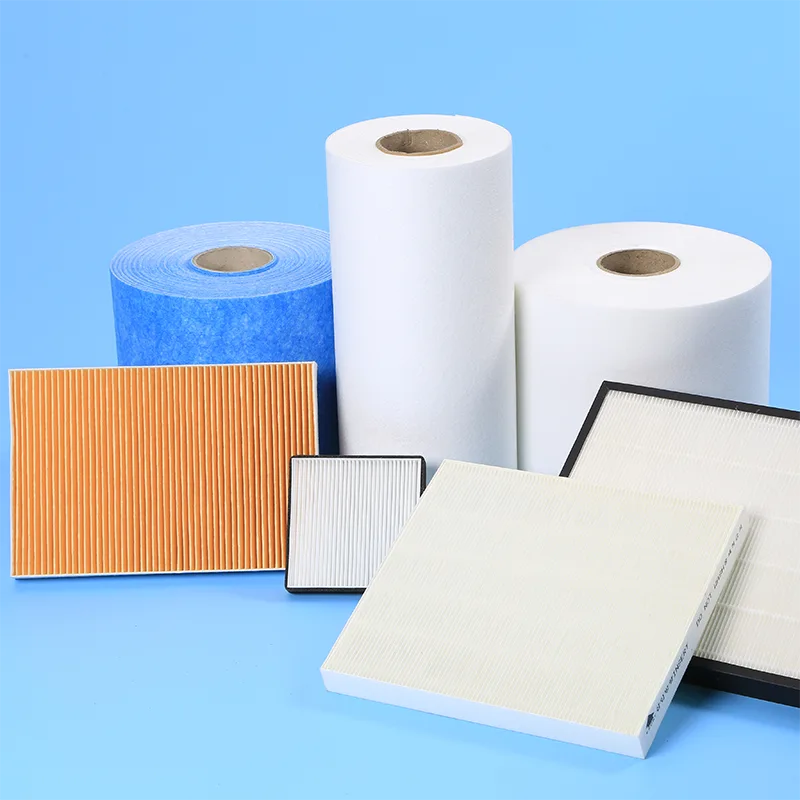
Professional Automobile Filter Media Manufacturer
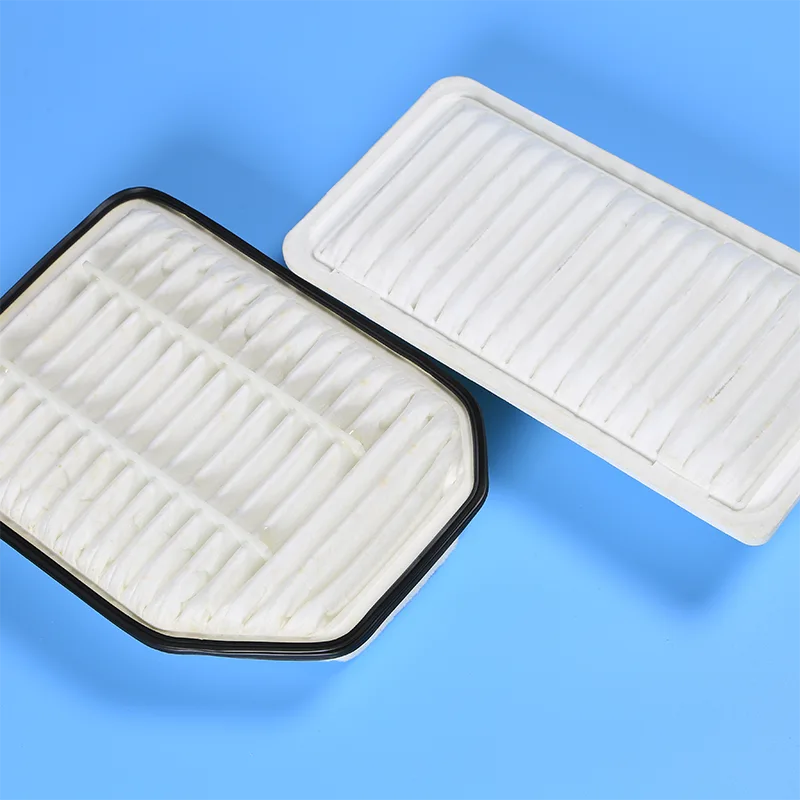
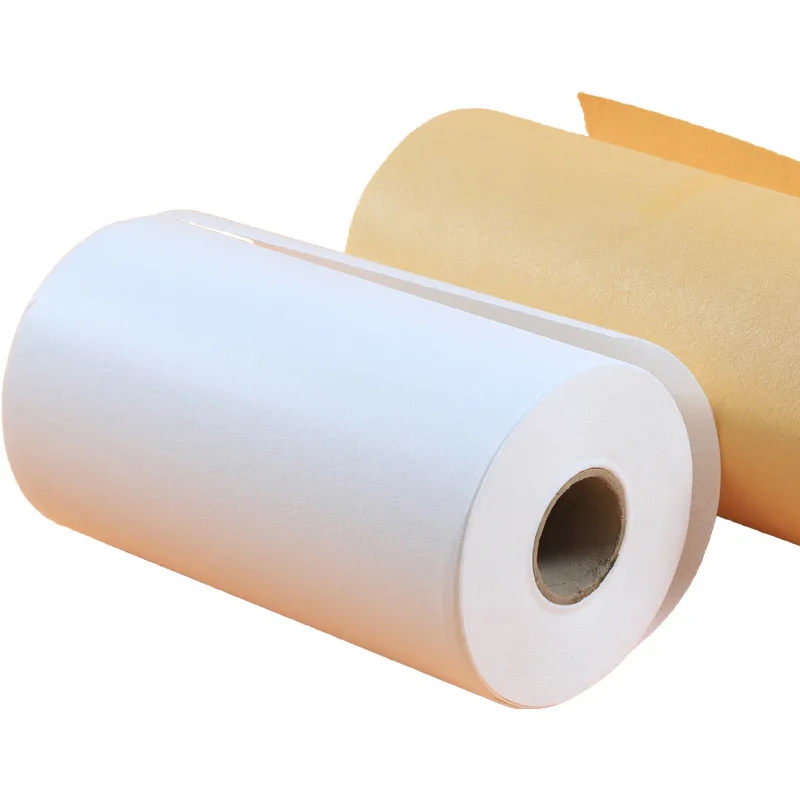
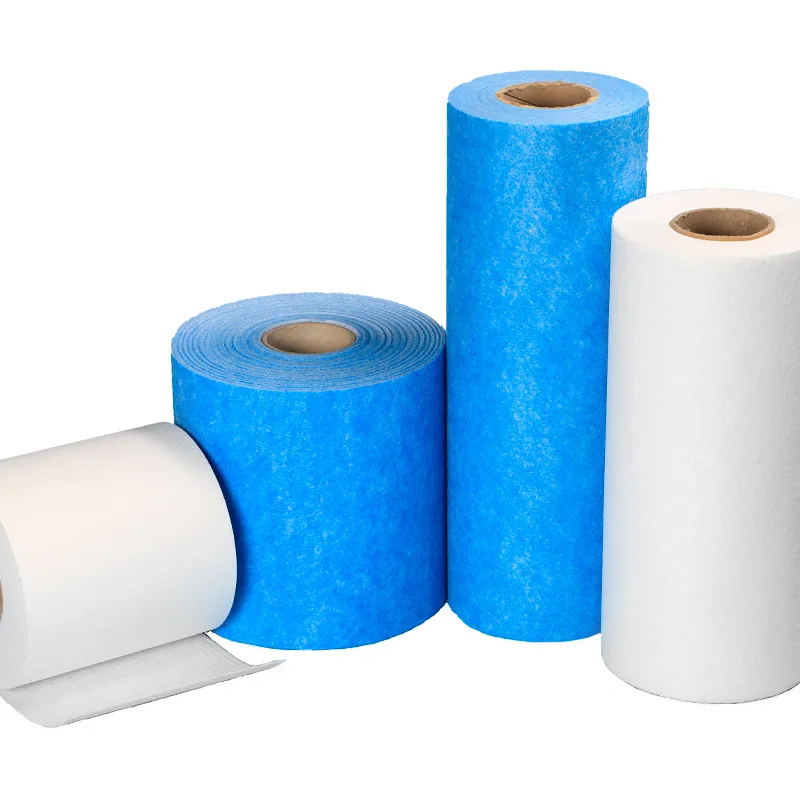
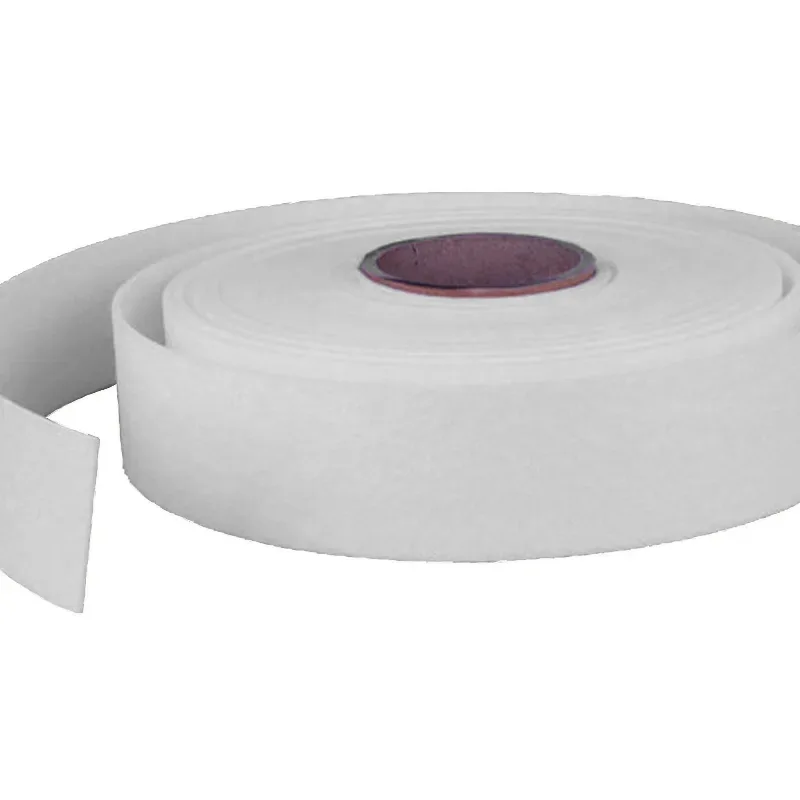
BiaoDian is a reliable supplier of high-performance Automobile Filter Media for air, cabin, fluid & new energy applications.
Complete Automotive Filter Media Solutions
Automotive filtration performance is not determined by the appearance of the finished filter element—it is determined by the filter media inside.
Filtration efficiency, pressure drop, airflow stability, dust-holding capacity, service life, and long-term system reliability all originate from the design and performance of the filtration media.
As the automotive industry continues moving toward higher efficiency, lower emissions, electrification, lightweight design, and improved passenger comfort, filtration media has evolved from a traditional protective component into an engineered functional material that directly influences overall vehicle performance.
In conventional vehicles, engine intake systems, lubrication circuits, and cabin HVAC systems rely on high-performance media to maintain stable operation. In new energy applications, battery systems, pressure equalization structures, fuel cells, and energy storage platforms require advanced filtration solutions to manage airflow, contamination, and long-term durability.
Although each application serves different functions, they share one common objective:
To achieve the right balance between contamination control, airflow performance, structural integrity, and service life through engineered filtration media.
BiaoDian specializes in the development and manufacturing of automotive filter media, supplying customized filtration materials to automotive component manufacturers, filter producers, Tier 1 suppliers, and aftermarket filtration projects worldwide.
Our filtration media is widely used in:
|
Engine Air Intake Systems |
Cabin HVAC Systems |
|
Lubrication Systems |
Fuel Systems |
|
Emission Control Systems |
Battery Pack Systems |
|
Hydrogen Fuel Cell Systems |
Energy Storage Applications |
From media engineering and sample validation to mass production support, we help customers build reliable filtration systems with scalable manufacturing capability.
Why Automobile Filter Media Is Becoming More Important?
Traditionally, automotive filtration focused on the finished filter product.
Today, leading manufacturers increasingly focus on the media itself.
Because even with identical filter geometry, different media structures can produce dramatically different results in:
Filtration Efficiency
Pressure Drop
Dust Holding Capacity
Service Life
Production Consistency
As vehicle performance requirements continue increasing, filter media has become an essential engineering variable during product development.
For engine systems:
Insufficient filtration may allow contaminants to enter sensitive engine components.
Over-filtration may increase intake resistance and reduce overall efficiency.
For cabin air systems:
Vehicle users no longer expect simple dust removal.
Modern filtration requirements increasingly include:
PM2.5 Control
Odor Management
Pollen Reduction
Anti-Bacterial Performance
Passenger Comfort
For new energy vehicle systems:
Battery packs and pressure balancing structures continuously exchange air due to charging cycles, temperature changes, and environmental pressure fluctuations.
Without proper filtration design, contaminants may gradually enter critical systems and reduce long-term reliability.
As a result, modern automotive media design no longer pursues only one performance target.
Instead, the goal is to balance:
|
High Filtration Efficiency |
Low Pressure Drop |
|
High Air Permeability |
Large Dust Holding Capacity |
|
Long Service Life |
Stable Batch Consistency |
High-performance filter media is not defined by the highest specification—it is defined by stable performance throughout the full operating lifecycle.
How High-Performance Automobile Filter Media Is Engineered
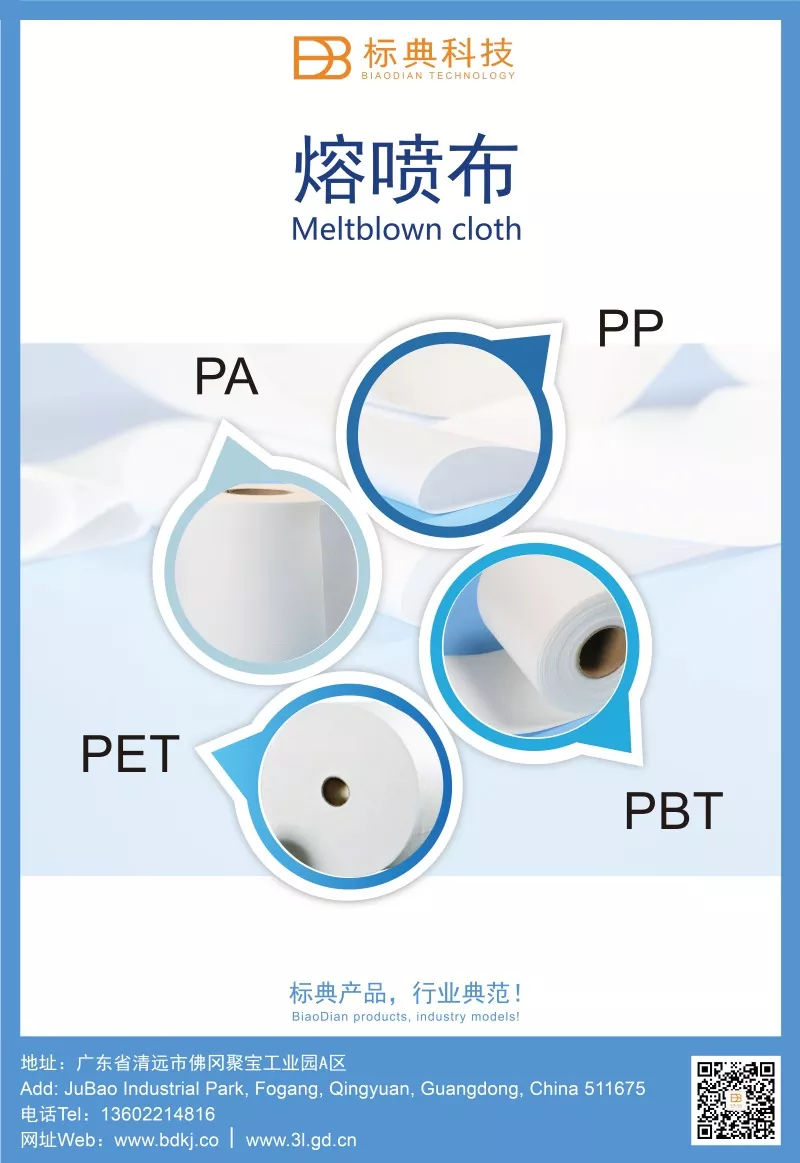
Material Platform Development
Every filtration solution begins with material selection.
Different applications require different combinations of fiber technologies.
Available material systems include:
PET Fibe
PP Fiber
Meltblown Media
Synthetic Composite Fiber
Functional Surface Materials
Material selection influences:
Fiber Diameter
Permeability
Mechanical Strength
Temperature Resistance
Long-Term Stability
Through engineered combinations, filtration media can achieve an optimized balance between efficiency, airflow, and durability.
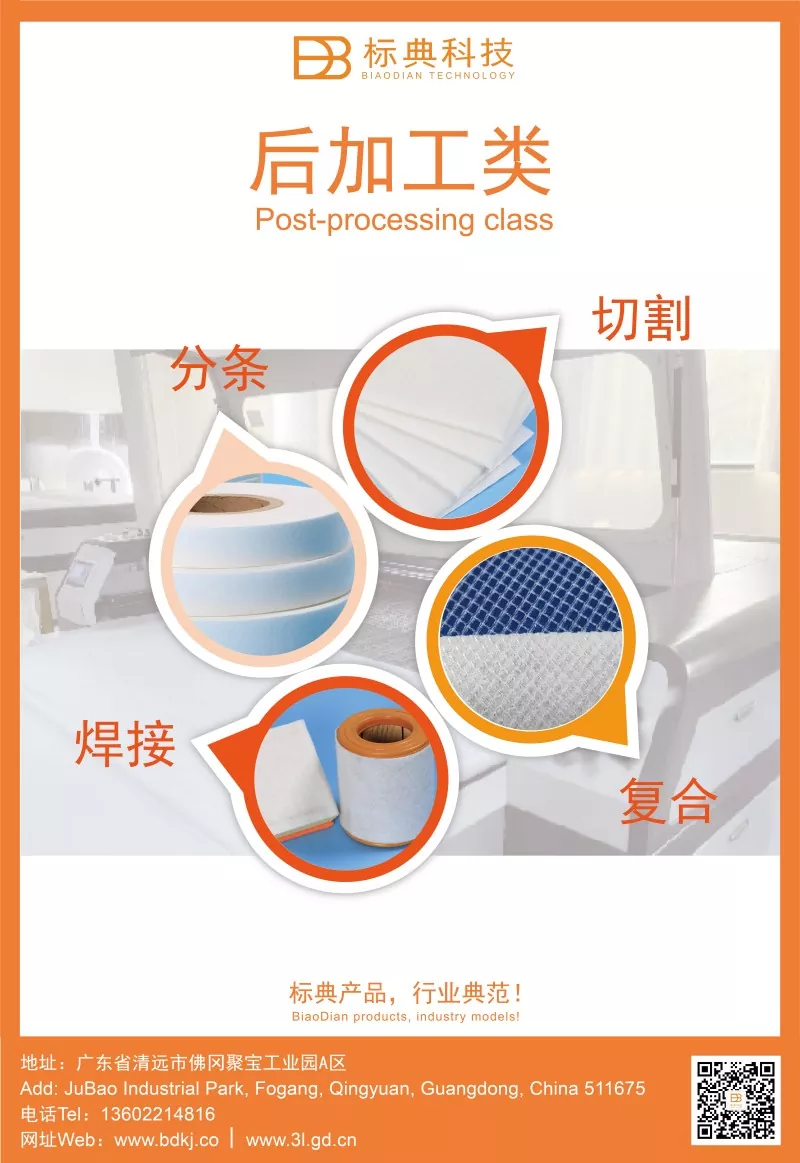
Multi-Layer Media Structure Design
Automotive filtration is increasingly moving beyond traditional single-layer structures.
Typical media architectures include:
Single-Layer Media
Dual-Layer Structures
Gradient Media
Multi-Layer Composite Structures
Integrated Functional Structures
Structure optimization focuses on:
Air Distribution
Particle Capture
Pressure Drop Management
Dust Loading Control
Service Life Extension
A well-designed media structure improves both filtration performance and manufacturing efficiency.
Functional Media Enhancement
Additional performance functions can be integrated depending on application requirements.
Optional capabilities include:
|
Activated Carbon Adsorption |
Odor Reduction |
|
Anti-Bacterial Treatment |
Anti-Allergy Performance |
|
Heat Resistance |
Humidity Resistance |
Functional layers must operate as part of an integrated structure rather than isolated additions.
- View as
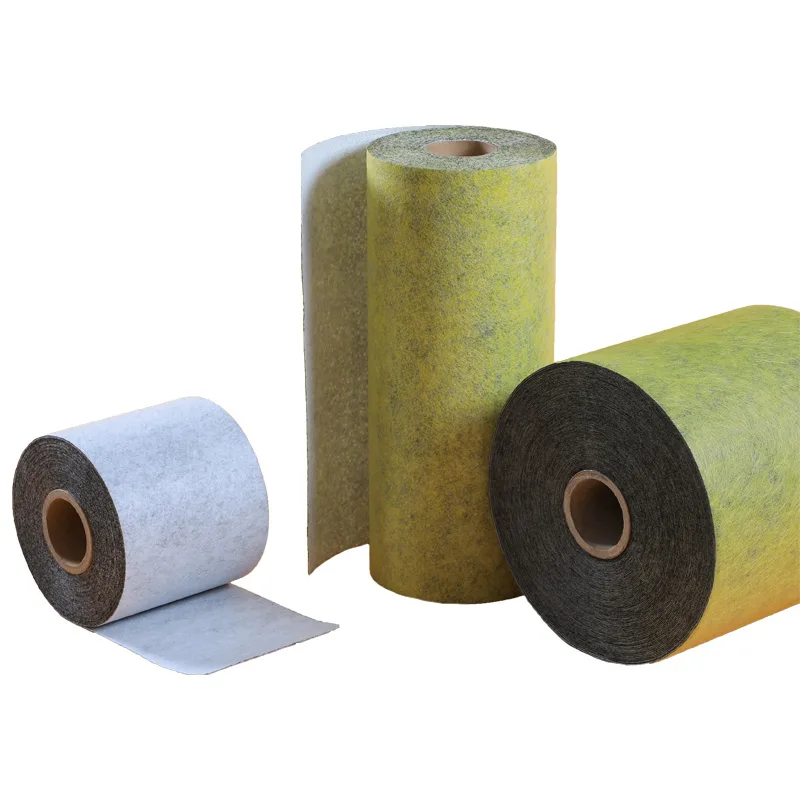
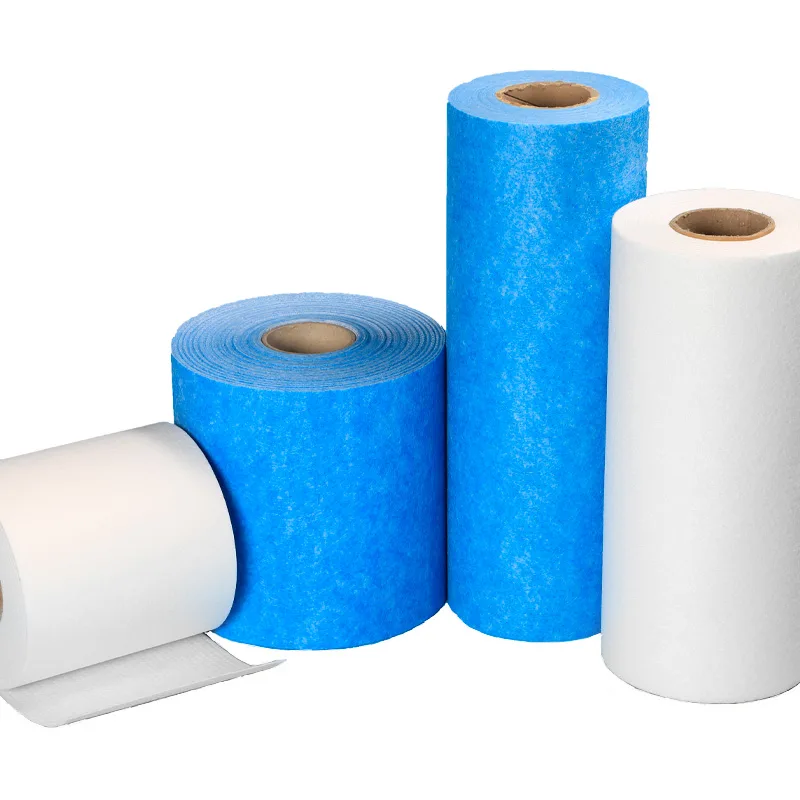
Battery Pack Air Filter Media
BiaoDian Battery Pack Air Filter Media is used for airflow filtration inside EV battery packs and energy storage systems. The material helps control dust while maintaining airflow, and is commonly used in breather valve and pressure balance structures. Many buyers begin with sample testing before bulk purchasing, feel free to contact us today.
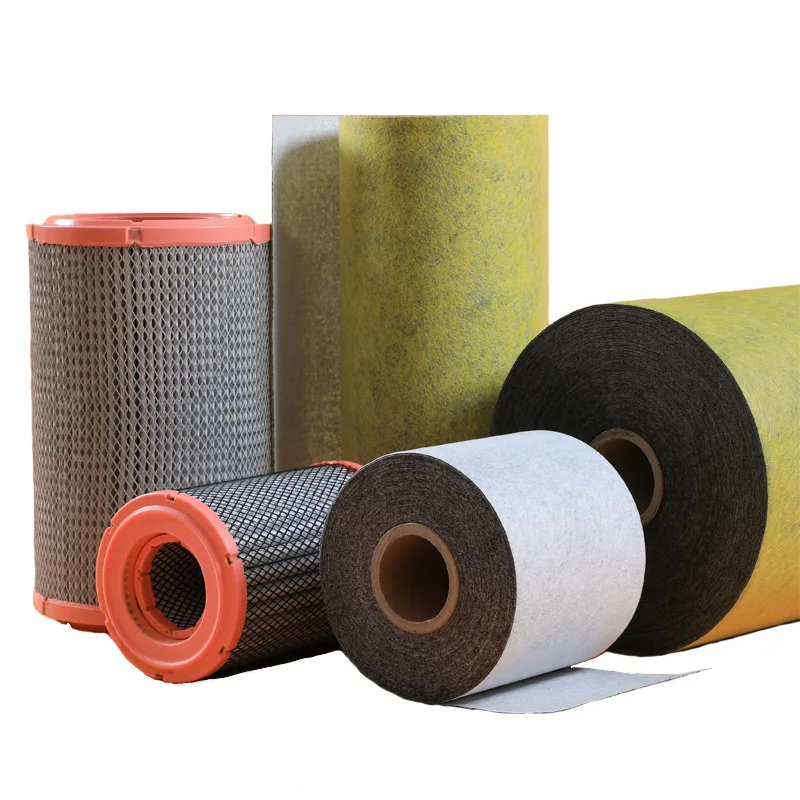
Hydrogen Battery Cathode Air Filter Media
BiaoDian Hydrogen Battery Cathode Air Filter Media is used on the air intake side of fuel cell systems. It helps reduce dust, small particles, and gases such as SO before the air enters the stack. As a China nonwoven manufacturer and supplier, BiaoDian supplies cathode air filter media for hydrogen fuel cell filtration projects.
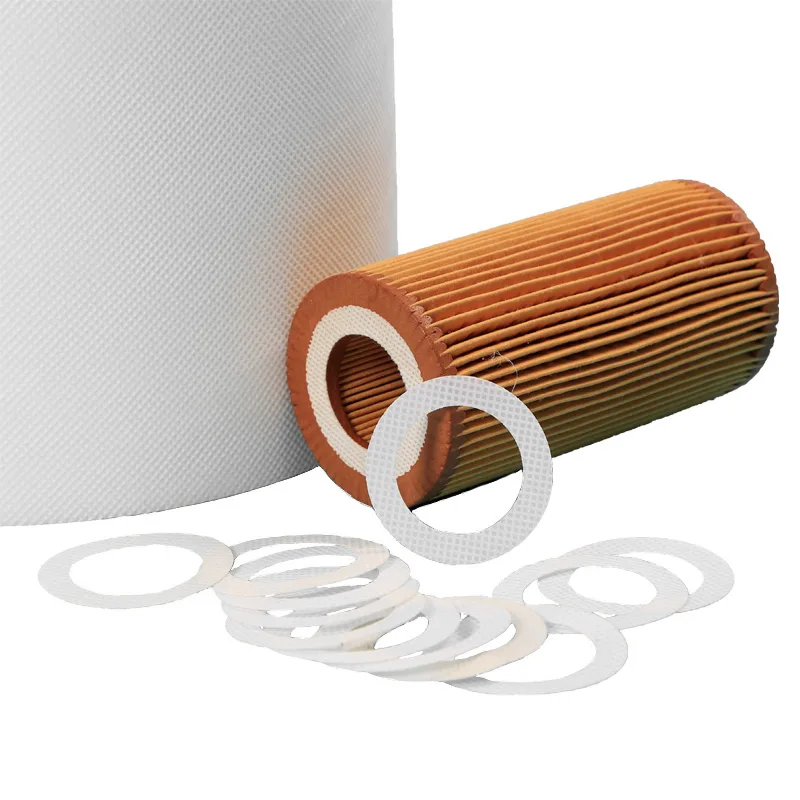
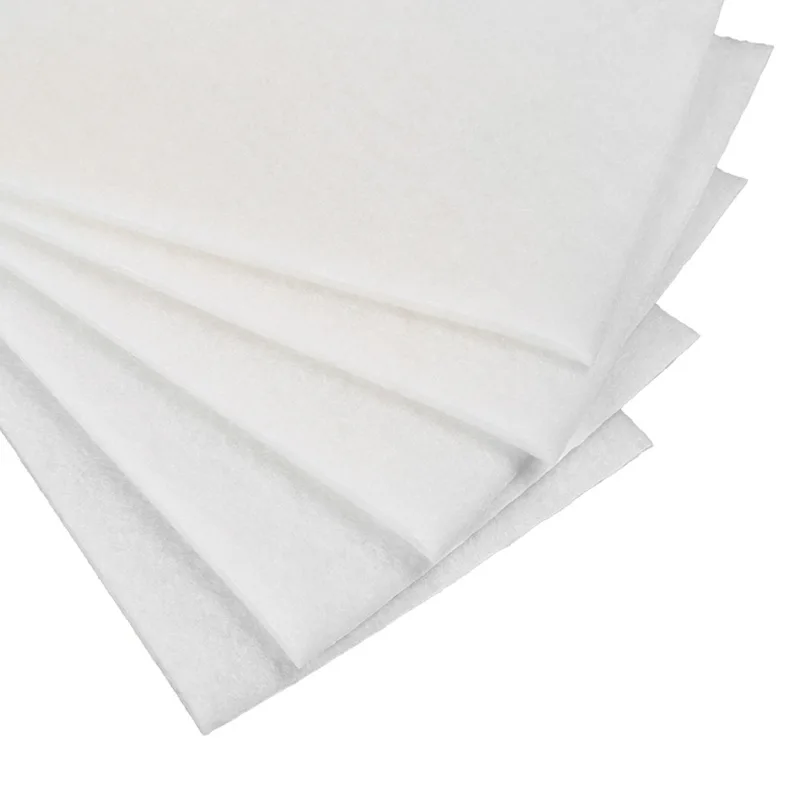
Non-Woven Oil Filter Gasket
High quality Non-woven Oil Filter Gasket is supplied by BiaoDian, a China nonwoven material manufacturer for automotive oil filter applications. The PET structure stays stable after long-term contact with hot engine oil and is commonly used for sealing and support inside filter assemblies. Contact us to get sample testing or bulk purchasing.
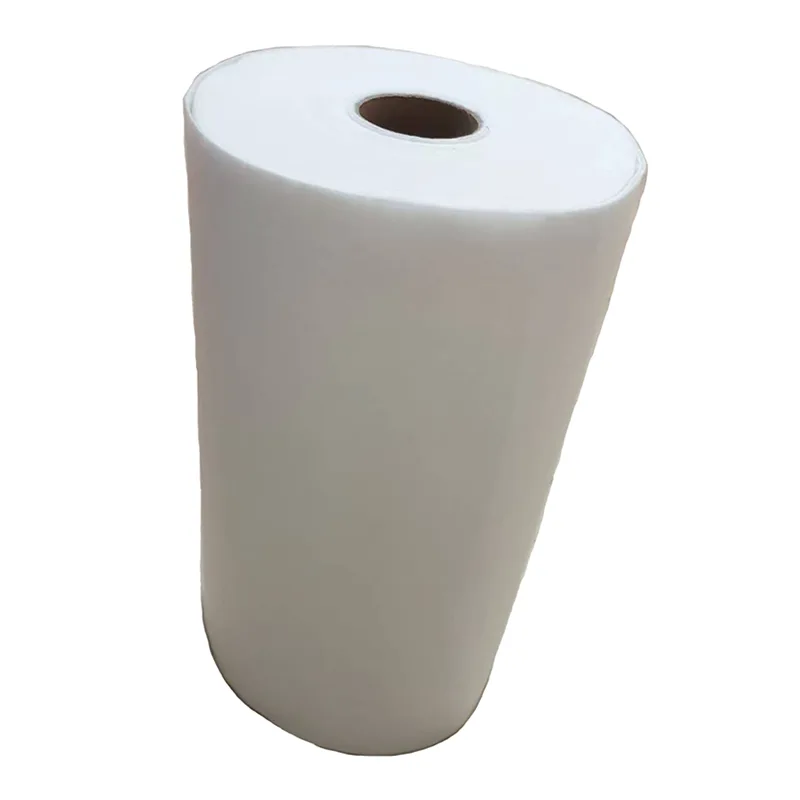
Urea Filter Media
BiaoDian Urea Filter Media is used in SCR systems handling 32.5% urea solution. It keeps particles and crystals inside the filter structure while the liquid continues flowing normally. This product can be used for automotive and industrial filtration projects.
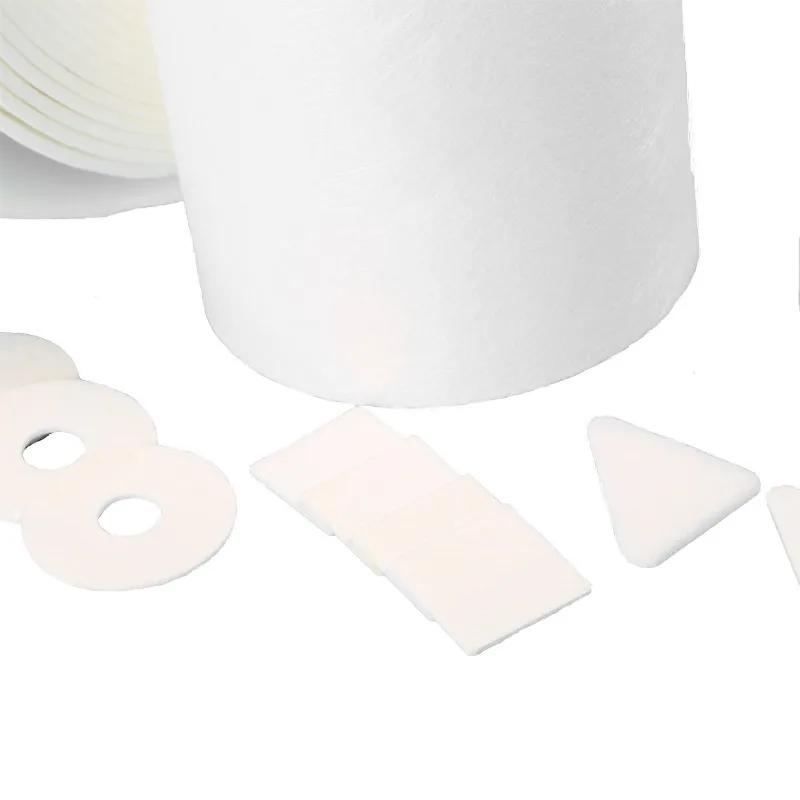
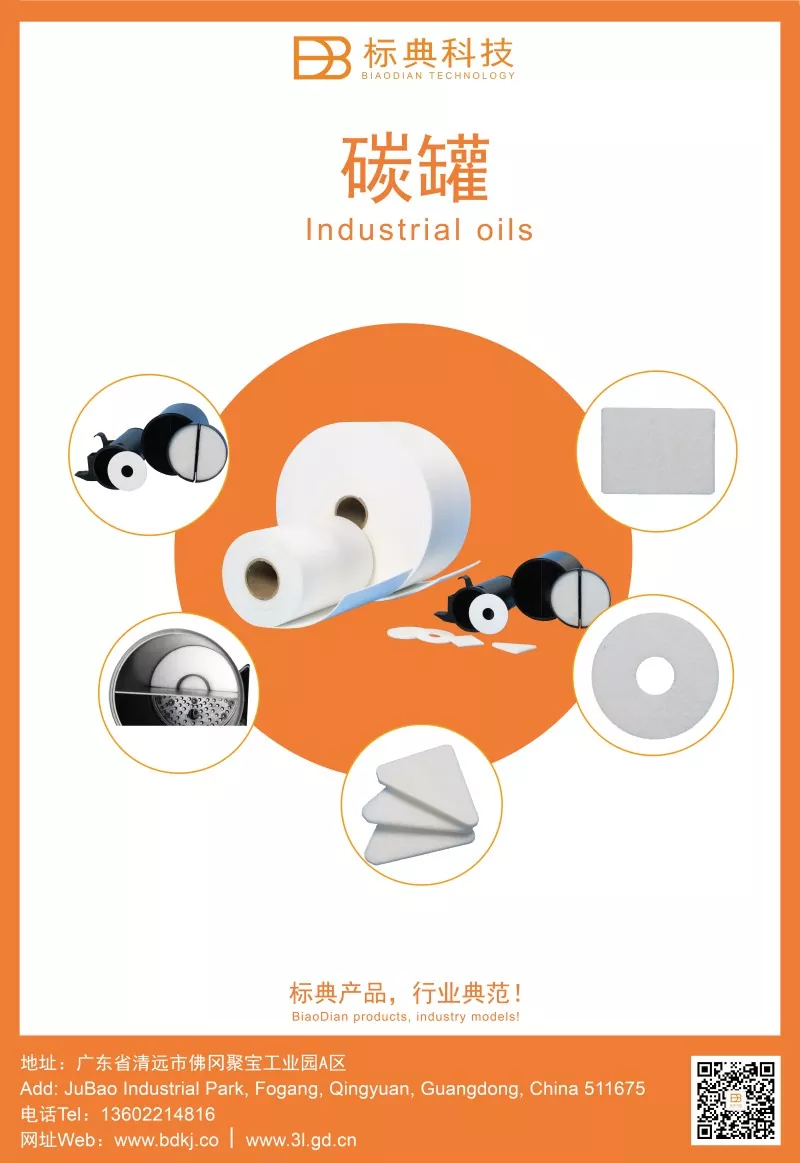
Carbon Canister Filter Media
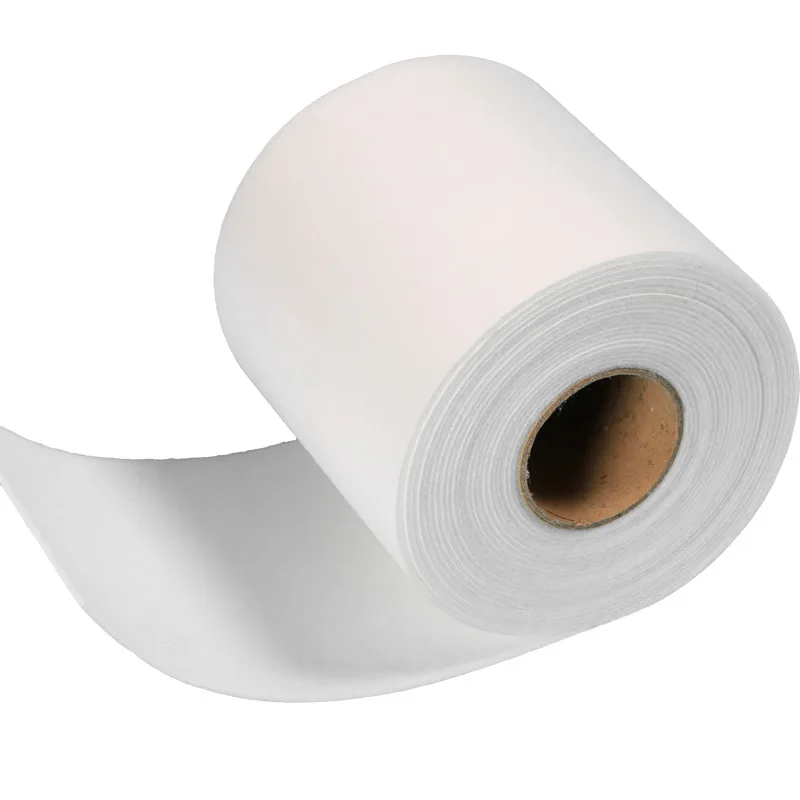
BiaoDian is a reliable factory of Carbon Canister Filter Media, which is a white PET pre-filter used inside EVAP canisters. As air and fuel vapor enter, it holds dust and fine particles while allowing airflow to pass through. In actual sourcing, it is usually checked with samples first, then confirmed for batch production. This material is used in canister setups where keeping the internal structure cleaner over time is part of the requirement.
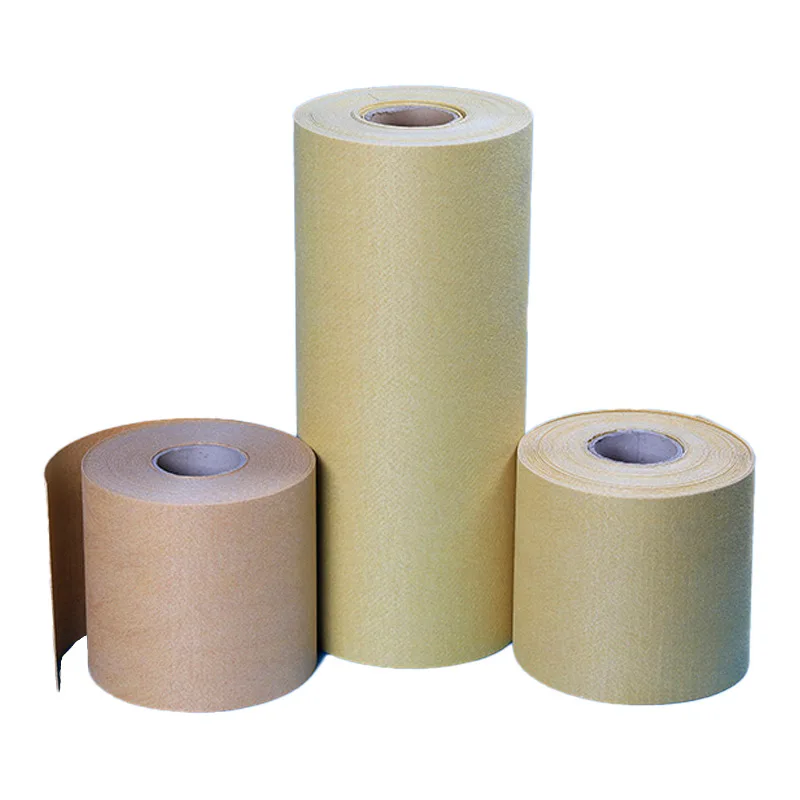
Gearbox Filter Media
BiaoDian Gearbox Filter Media is used inside transmission filters, where oil circulates continuously during operation. As gearbox components wear, fine particles move with the oil. This PET fiber structure holds those particles while allowing oil to pass through without interruption. In actual sourcing, it is typically evaluated through sample testing before moving into regular production use.
It remains stable under temperature and pressure changes, making it suitable for applications where consistent oil cleanliness is required over time.
It remains stable under temperature and pressure changes, making it suitable for applications where consistent oil cleanliness is required over time.
Automobile Filter Media Platform
Engine Air Filter Media
Designed for engine intake protection.
Performance priorities:
|
High Filtration Efficiency |
|
|
Low Intake Resistance |
|
|
Long-Term Durability |
|
|
High Dust Capacity |
|
|
Typical applications |
Passenger Vehicles |
|
Commercial Vehicles |
|
|
Agricultural Equipment |
|
|
Construction Machinery |
|
|
Industrial Engines |
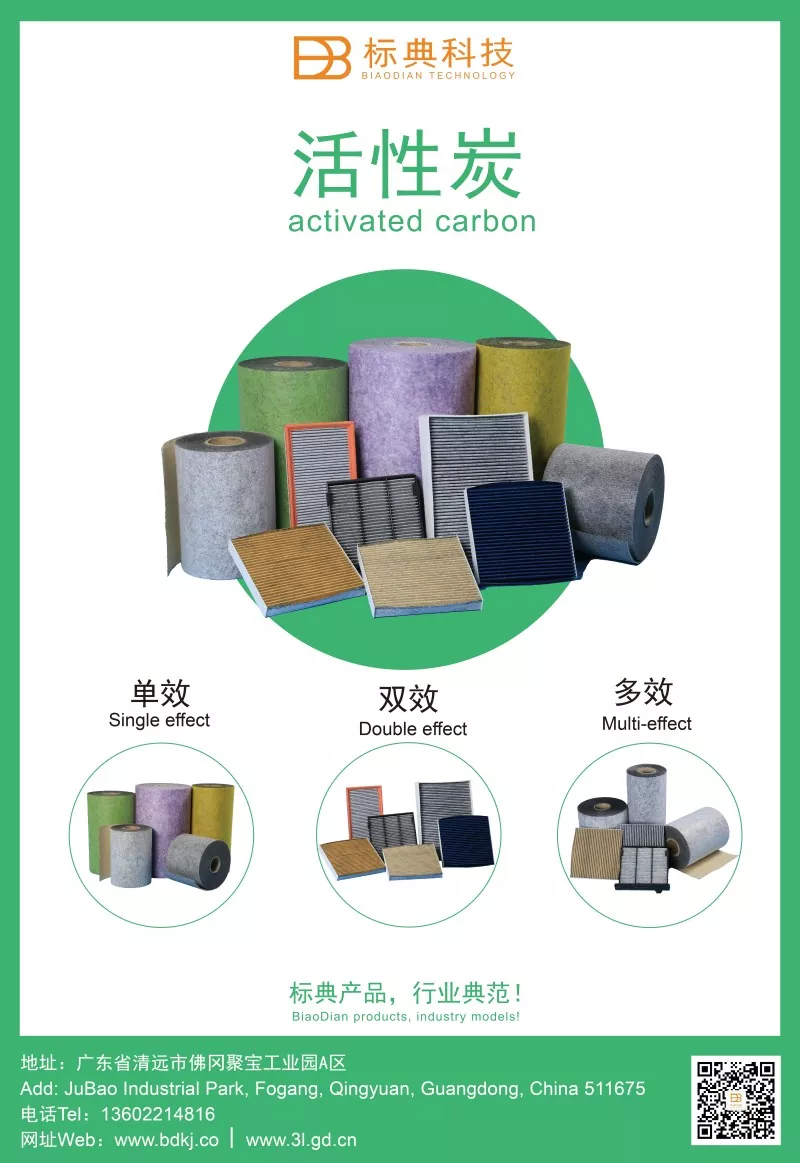
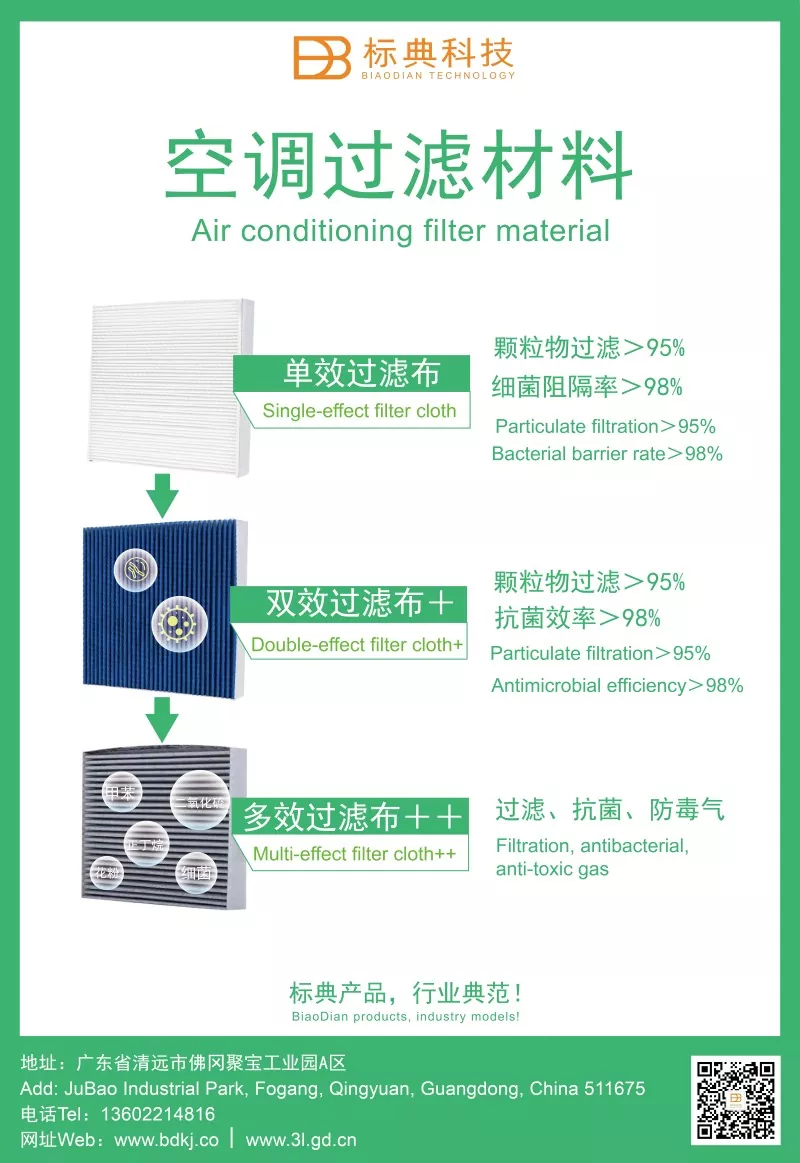
Cabin Filter Media
Designed to improve cabin air quality and passenger comfort.
Performance priorities:
|
|
Particle Filtration |
|
Odor Control |
|
|
Anti-Bacterial Performance |
|
|
Stable Airflow |
|
|
Available solutions |
Particulate Cabin Filter Media |
|
Activated Carbon Cabin Filter Media |
|
|
Anti-Bacterial Cabin Filter Media |
|
|
Composite Cabin Filter Media |
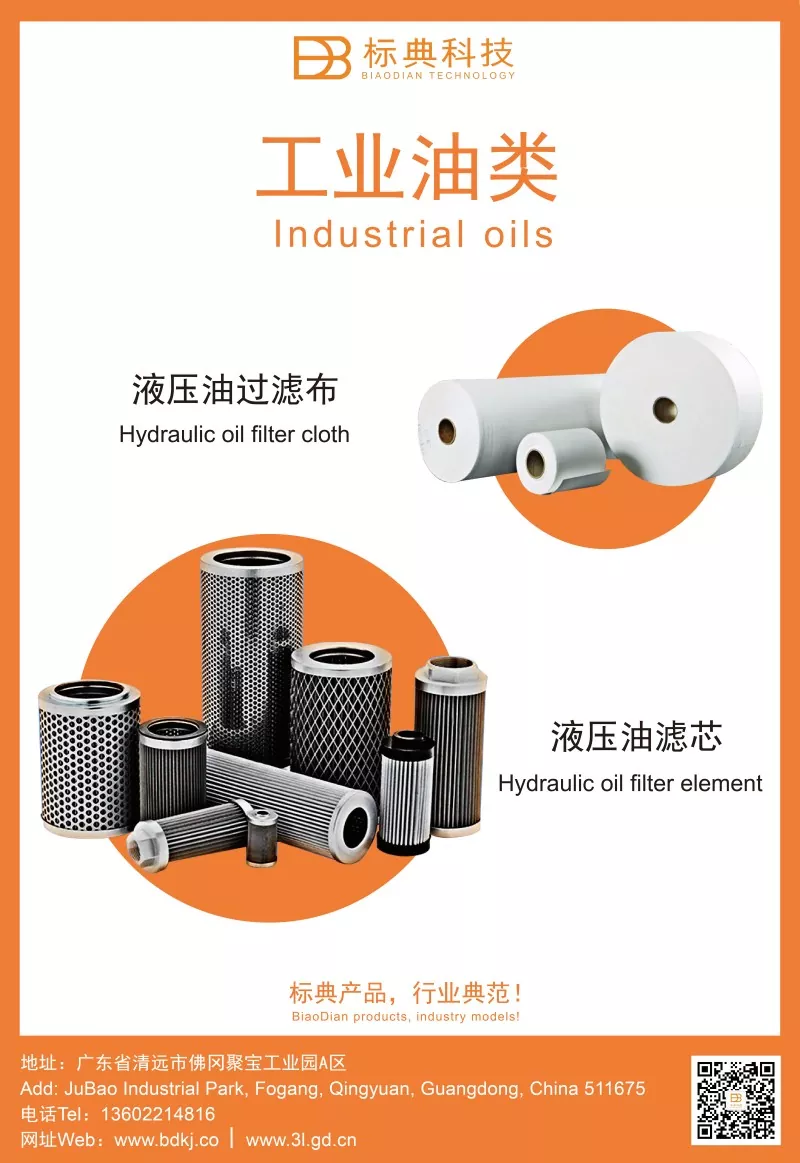
Gasoline Engine Oil Filter Media
Designed for automotive fluid cleanliness and component protection.
Performance priorities:
|
|
Chemical Compatibility |
|
Structural Stability |
|
|
Flow Control |
|
|
Long-Term Reliability |
|
|
Available solutions |
Engine Oil Filter Media |
|
Gearbox Filter Media |
|
|
Diesel Filter Media |
|
|
Urea Filter Media |
|
|
Carbon Canister Filter Media |
New Energy Vehicle Filter Media
Designed for electrified vehicle systems.
Performance priorities:
|
Pressure Equalization |
|
|
Airflow Management |
|
|
Particle Protection |
|
|
Long-Term Reliability |
|
|
Available solutions |
Battery Pack Air Filter Media |
|
Hydrogen Fuel Cell Filter Media |
Key Performance Indicators for Automotive Filter Media
Selecting filtration media requires balancing measurable engineering indicators.
Typical evaluation criteria include:
|
Key Performance Indicators |
Filtration Efficiency |
|
Pressure Drop |
|
|
Air Permeability |
|
|
Dust Holding Capacity |
|
|
Thickness Stability |
|
|
Temperature Resistance |
|
|
Mechanical Strength |
|
|
Dimensional Stability |
|
|
Batch Consistency |
The ideal solution depends on project requirements rather than maximizing a single parameter.
Why Choose BiaoDian Automotive Filter Media
Automotive Filtration Expertise
Customized Media Engineering
Composite Structure Capability
Validation & Testing Support
Fast Sampling
Stable Manufacturing Capacity
Global Project Experience
Long-Term Development Partnership
Looking for the Right Automotive Filter Media Solution?
Whether you are developing engine intake systems, improving cabin air quality, upgrading fluid filtration performance, or building next-generation vehicle platforms—
BiaoDian provides complete support from media engineering and sample validation to scalable production.
Contact our team today to discuss your project requirements.