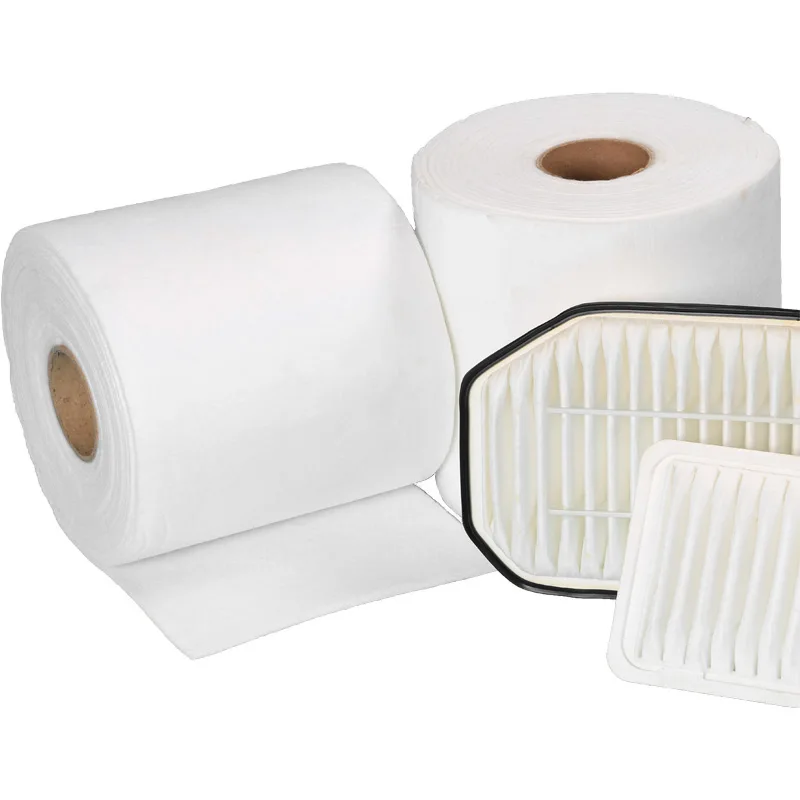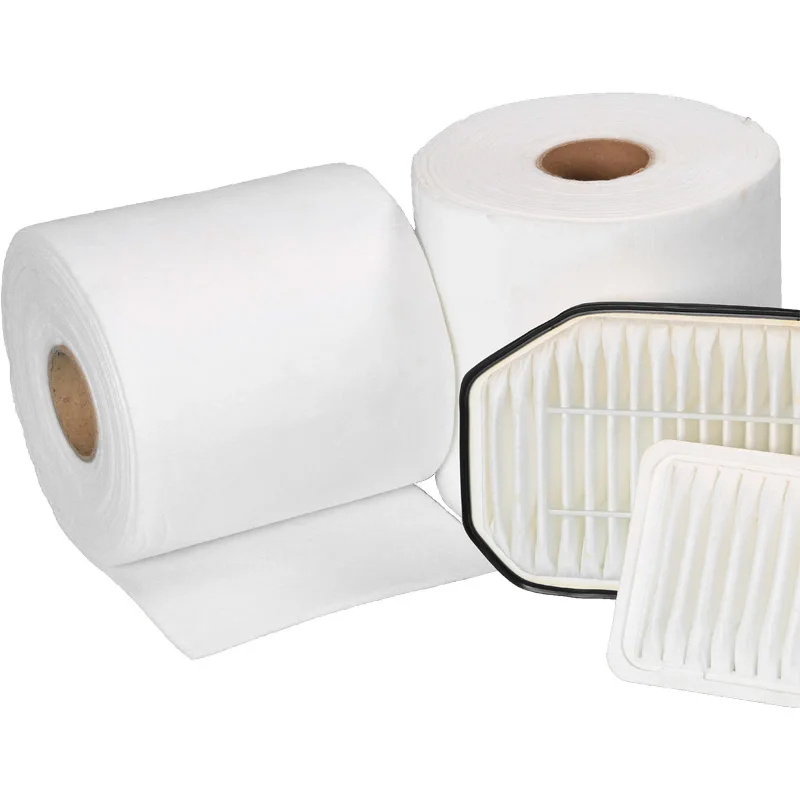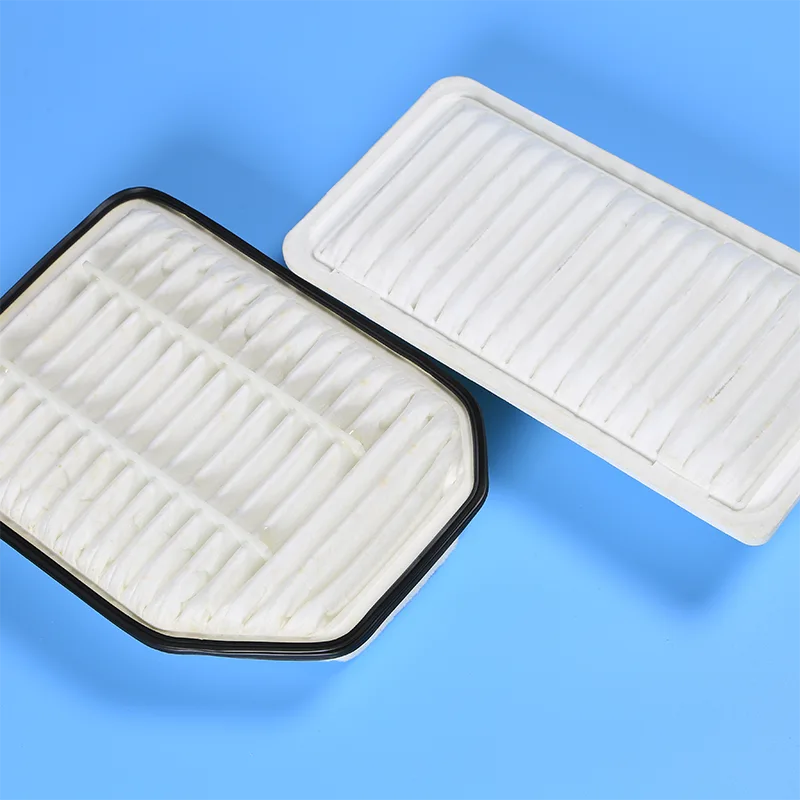
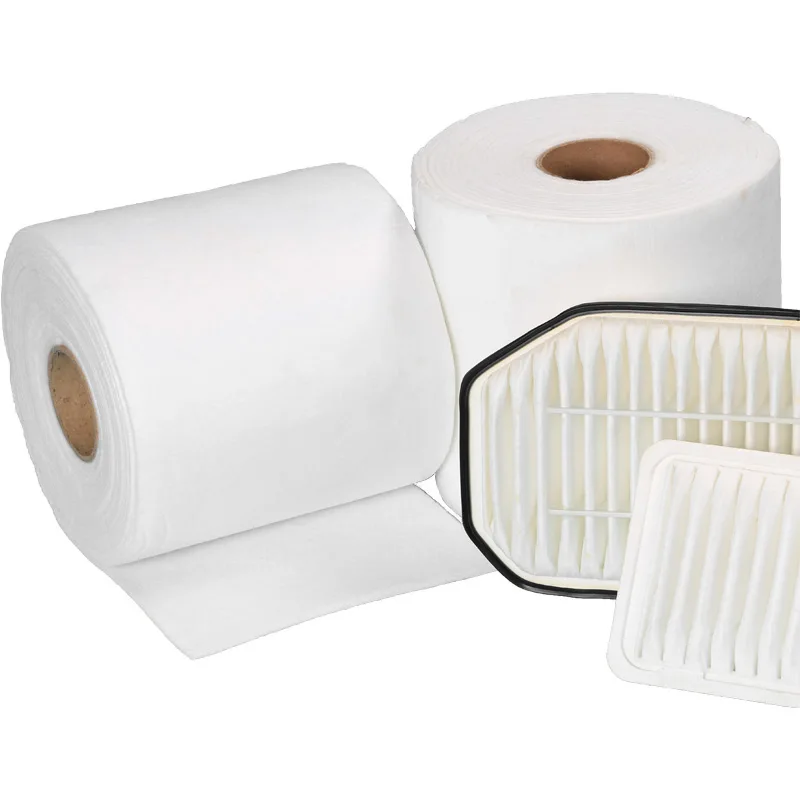
How Does Environmental Air Filter Media Improve Air Quality and Filtration Efficiency?
Environmental air filter media plays a vital role in modern air purification systems by capturing dust, pollutants, allergens, and harmful particles from indoor and industrial environments. With increasing concerns about air quality, energy efficiency, and sustainable filtration solutions, selecting the right filter media has become essential for improving filtration performance and reducing operational costs. This article explains how environmental air filter media works, its applications, benefits, material characteristics, and how advanced solutions help industries create cleaner and healthier environments.
Article Outline
- 1. Why Environmental Air Filter Media Matters Today
- 2. What Is Environmental Air Filter Media?
- 3. How Does Environmental Air Filter Media Work?
- 4. Different Types of Environmental Air Filter Media
- 5. Key Benefits and Performance Advantages
- 6. Major Applications Across Industries
- 7. How to Choose the Right Filter Media
- 8. Future Trends in Air Filtration Technology
- 9. Frequently Asked Questions
Why Environmental Air Filter Media Matters Today
Air quality has become one of the most important factors affecting human health, industrial productivity, and environmental protection. From commercial buildings and healthcare facilities to manufacturing plants and transportation systems, efficient air filtration is necessary to remove unwanted particles and maintain safe air conditions.
Traditional filtration solutions often struggle with challenges such as low dust-holding capacity, high pressure drop, frequent replacement requirements, and unstable performance in demanding environments. These issues increase maintenance costs and reduce overall system efficiency.
Environmental air filter media provides an advanced solution by combining high filtration efficiency with excellent airflow performance. It is designed to capture airborne contaminants while allowing sufficient air circulation, helping filtration systems operate efficiently for longer periods.
As industries continue moving toward energy-saving and environmentally responsible technologies, high-quality filter media has become a key component in developing cleaner, safer, and more sustainable air management systems.
What Is Environmental Air Filter Media?
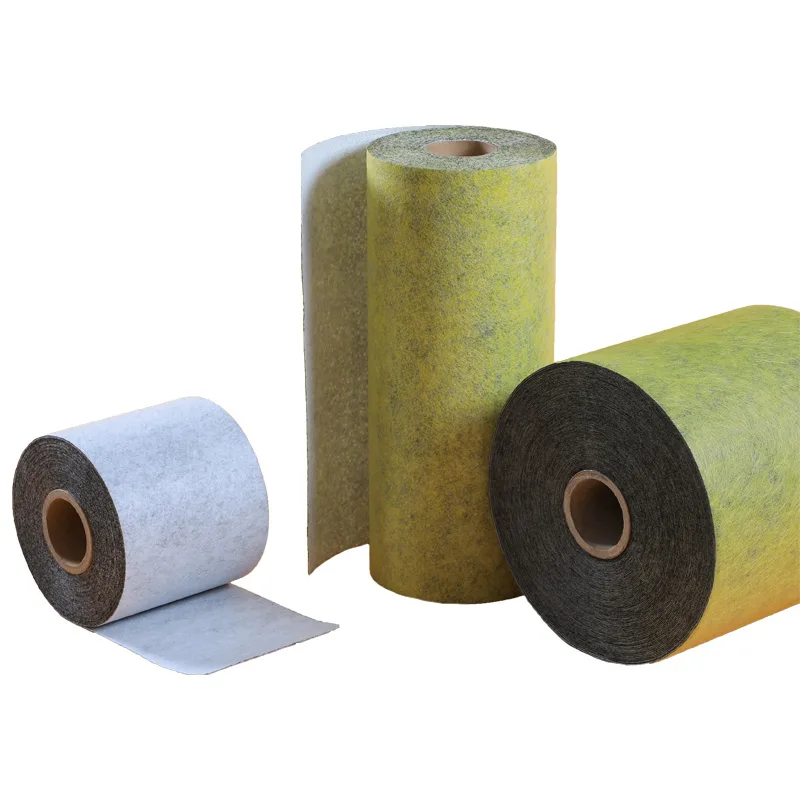
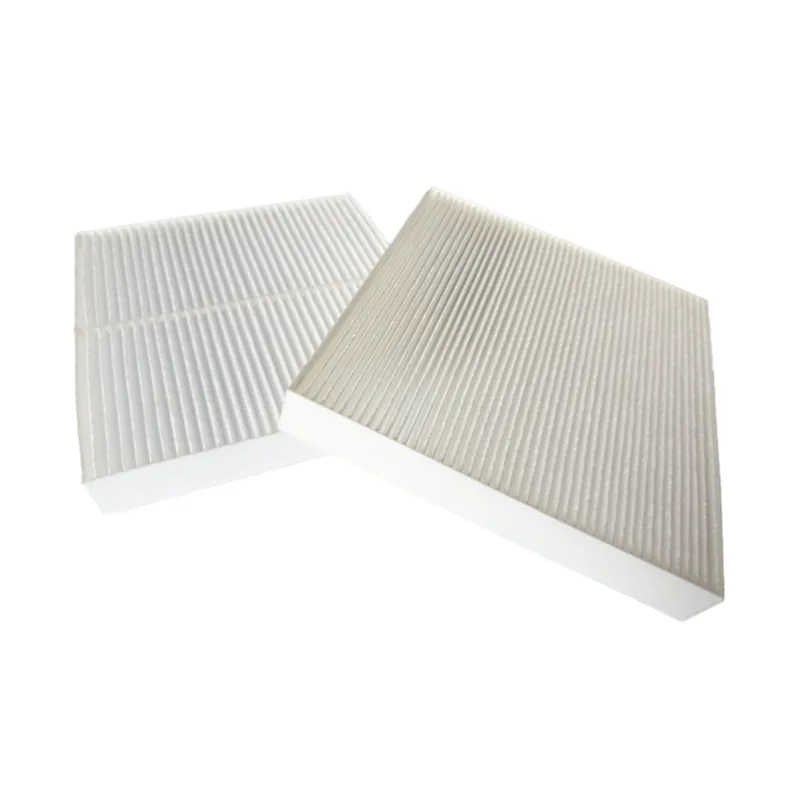
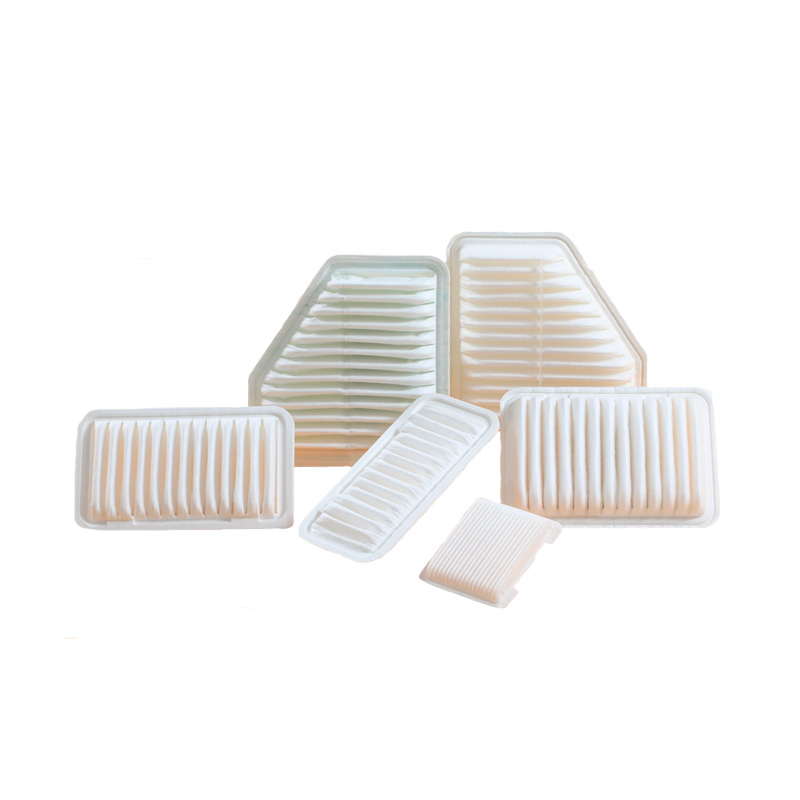
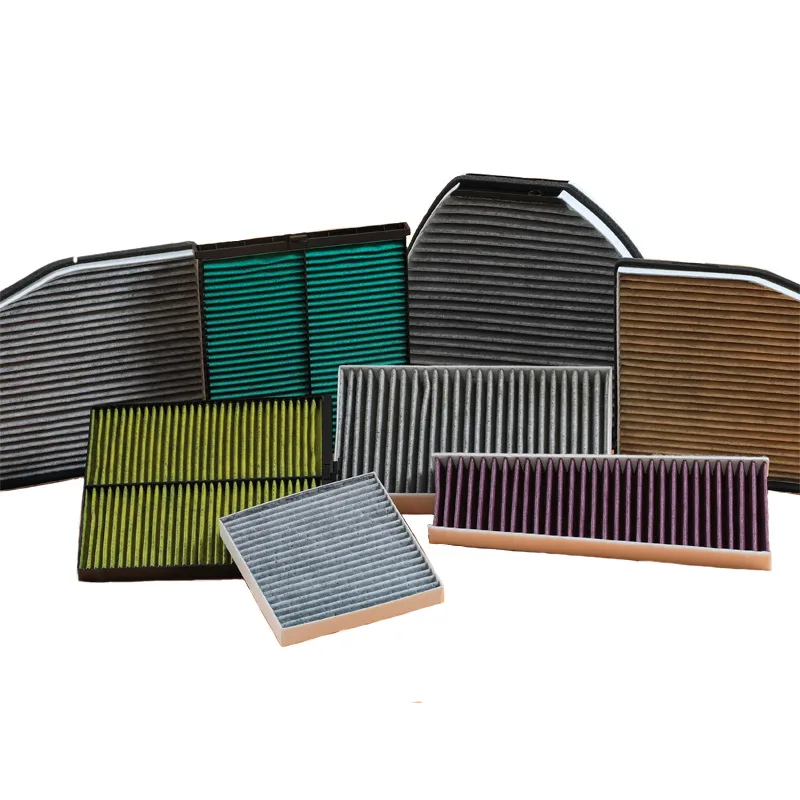
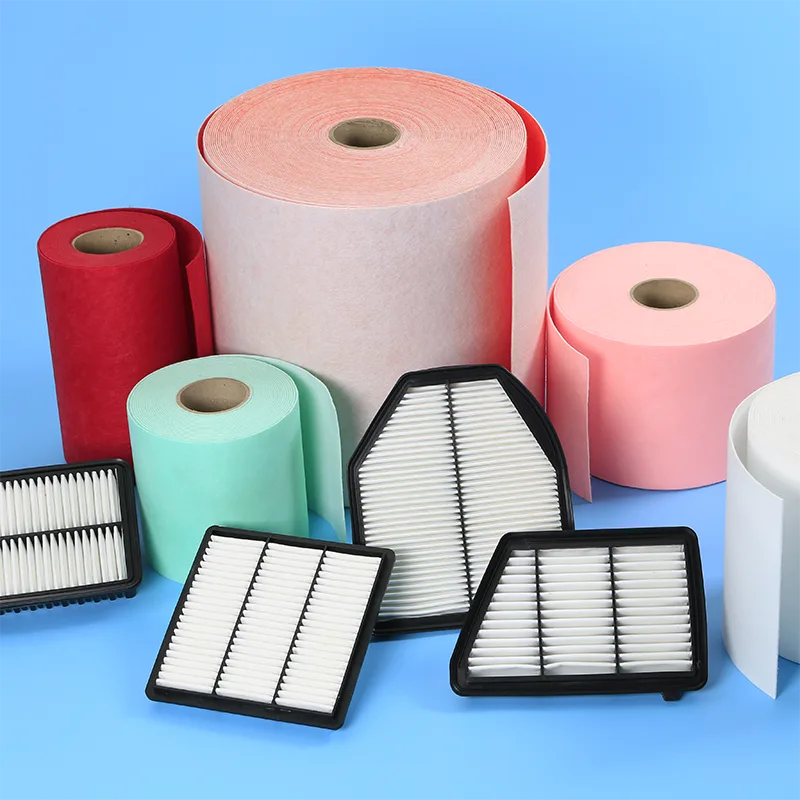
Environmental air filter media is a specialized filtration material used in air purification systems to separate airborne particles from air streams. It acts as the core filtering layer inside air filters and determines the overall performance, durability, and efficiency of the filtration system.
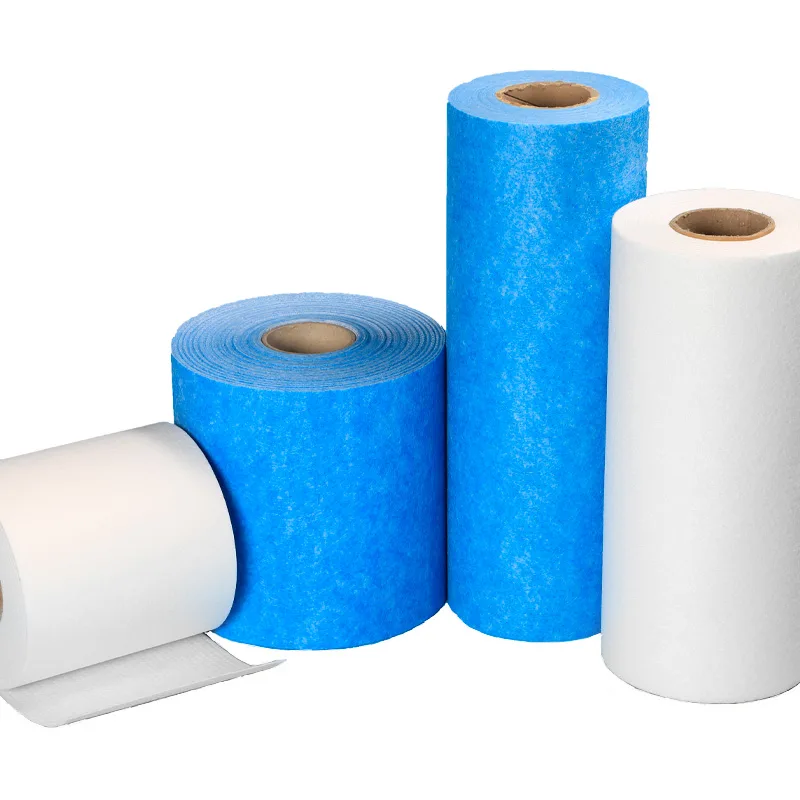
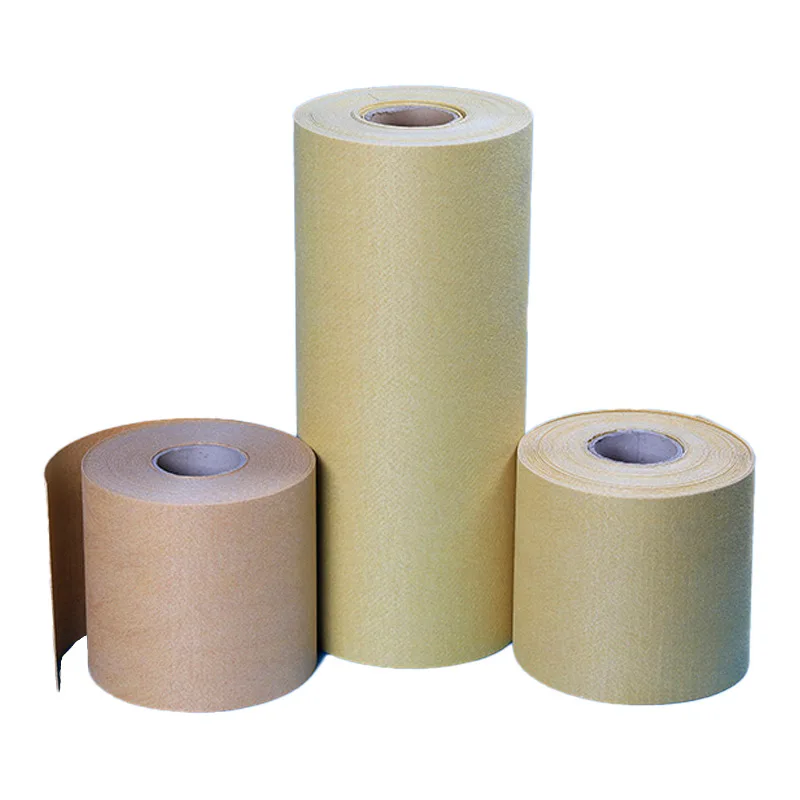
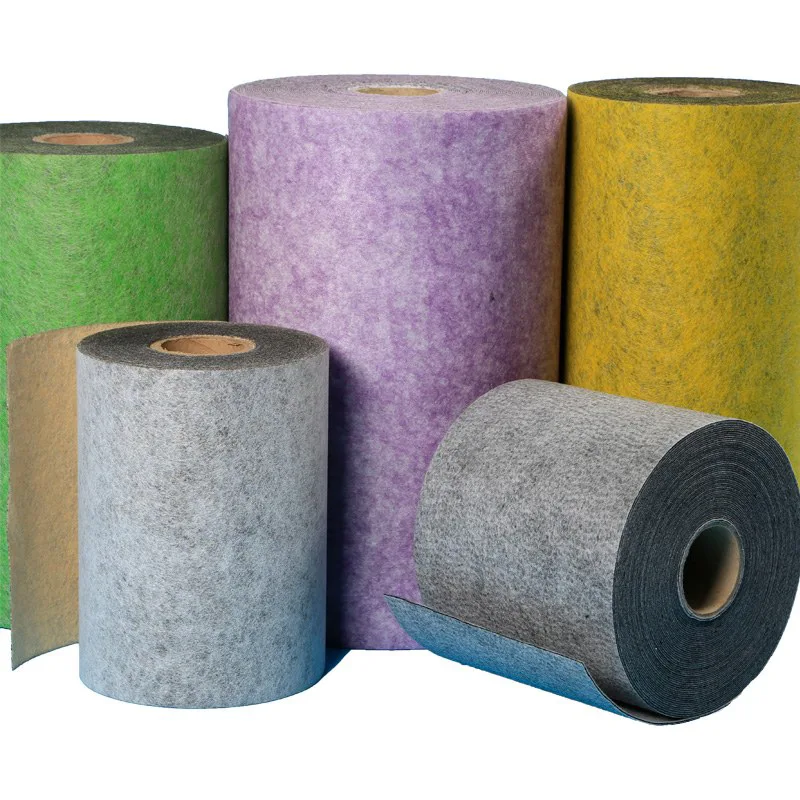
The media is usually manufactured from advanced synthetic fibers, nonwoven materials, glass fibers, or composite structures. Through specially designed fiber arrangements, it can effectively capture different particle sizes, including dust, pollen, smoke particles, bacteria carriers, and industrial contaminants.
Compared with ordinary filter materials, modern environmental air filter media focuses on achieving a balance between filtration efficiency and airflow resistance. A well-designed structure ensures that air can pass smoothly while contaminants remain trapped inside the filter layer.
| Feature | Description | Customer Value |
|---|---|---|
| High Filtration Efficiency | Captures fine particles and airborne pollutants effectively | Creates cleaner and healthier air environments |
| Low Air Resistance | Allows smooth airflow with reduced energy consumption | Lowers operating costs of HVAC systems |
| Strong Dust Holding Capacity | Stores more contaminants before replacement | Extends filter service life |
| Stable Performance | Maintains filtration ability under different conditions | Improves system reliability |
How Does Environmental Air Filter Media Work?
The working principle of environmental air filter media is based on a combination of physical filtration mechanisms. When contaminated air passes through the filter structure, particles are captured through several processes including interception, diffusion, inertial impact, and electrostatic attraction.
Larger particles such as dust and fibers are usually removed through direct interception or impact. Smaller particles, including fine aerosols and microscopic contaminants, are captured when they interact with the tiny fibers inside the filtration layer.
Advanced filter media designs improve filtration performance by optimizing fiber diameter, density distribution, and layered structures. Multi-layer filtration technology allows different sections of the media to handle different particle sizes, improving both efficiency and service life.
Main Filtration Mechanisms:
- Interception: Particles follow airflow but become trapped when they contact filter fibers.
- Inertial Impact: Larger particles cannot follow airflow changes and collide with fibers.
- Diffusion: Small particles move randomly and are captured by fiber surfaces.
- Electrostatic Attraction: Charged fibers attract and retain airborne particles.
The efficiency of environmental air filter media depends not only on filtration accuracy but also on airflow resistance, moisture resistance, mechanical strength, and operating conditions. Therefore, choosing suitable media according to application requirements is essential.
Different Types of Environmental Air Filter Media
Different environments require different filtration solutions. Environmental air filter media can be classified according to material composition, structure, and application purpose.
| Type | Main Material | Typical Applications |
|---|---|---|
| Nonwoven Filter Media | Polyester, polypropylene, composite fibers | HVAC systems, air purification equipment, industrial filtration |
| HEPA Filter Media | Fine glass fiber or advanced synthetic fiber | Hospitals, laboratories, cleanrooms |
| Activated Carbon Filter Media | Carbon-coated materials | Odor removal and gas filtration |
| Electrostatic Filter Media | Charged synthetic fibers | Energy-efficient air filtration systems |
Among these options, nonwoven filter media has gained popularity because of its lightweight structure, excellent air permeability, customizable design, and cost-effective production. Companies specializing in advanced nonwoven technologies continue improving material performance to meet increasingly strict environmental requirements.
Biaodian Nonwovens technology Co., Ltd focuses on developing high-performance nonwoven solutions that support various air filtration applications. Through advanced material technology and manufacturing expertise, the company provides reliable filter media designed for efficiency, durability, and environmental protection.
Key Benefits and Performance Advantages
Choosing suitable environmental air filter media can significantly improve filtration system performance. Modern industries are no longer looking for basic particle removal solutions; they require filtration materials that provide long-term reliability, energy savings, and environmental benefits.
High-quality filter media helps solve common customer challenges, including rising energy costs, frequent maintenance, unstable filtration efficiency, and increasing environmental regulations. The following advantages explain why advanced filter media has become an essential component in air management systems.
| Advantage | How It Helps | Business Impact |
|---|---|---|
| Improved Air Purification | Effectively removes dust, allergens, and airborne contaminants | Creates healthier workplaces and living environments |
| Energy Efficiency | Reduces airflow resistance and lowers fan energy consumption | Decreases long-term operating expenses |
| Longer Service Life | High dust-holding capacity delays filter replacement | Reduces maintenance frequency and material waste |
| Customizable Performance | Materials can be designed according to filtration requirements | Provides optimized solutions for different industries |
| Environmental Sustainability | Supports cleaner production and efficient resource use | Helps companies achieve sustainability goals |
How Environmental Air Filter Media Solves Common Filtration Challenges
Many customers experience problems when using conventional filtration materials. Understanding these challenges helps identify why advanced environmental air filter media is becoming the preferred choice.
-
Problem: High energy consumption.
Traditional filters with high airflow resistance force ventilation systems to work harder. Advanced filter media uses optimized fiber structures to maintain effective filtration while reducing pressure loss. -
Problem: Short replacement cycles.
Poor-quality media becomes blocked quickly when exposed to large amounts of dust. High-performance materials provide greater dust-loading capacity and longer operating periods. -
Problem: Unstable filtration efficiency.
Some materials lose performance under changing humidity, temperature, or airflow conditions. Durable filter media maintains stable performance in challenging environments. -
Problem: Increasing environmental requirements.
Industries need filtration products that support cleaner production. Environmentally friendly materials and efficient designs help reduce waste and energy usage.
Major Applications Across Industries
Environmental air filter media is widely used in different sectors because clean air is essential for health, safety, product quality, and equipment protection. The selection of filter media depends on the specific requirements of each application.
| Industry | Filtration Requirements | Application Examples |
|---|---|---|
| Commercial Buildings | Comfortable indoor air quality and dust control | Office buildings, shopping centers, hotels |
| Healthcare | High-efficiency particle removal | Hospitals, clinics, laboratories |
| Manufacturing | Protection from industrial dust and pollutants | Automotive plants, electronics factories |
| Food Processing | Clean production environments | Food factories and packaging facilities |
| Transportation | Compact and efficient filtration systems | Vehicles, trains, aviation systems |
Industrial Air Filtration Applications
In industrial environments, airborne particles can affect worker safety, equipment performance, and product quality. Manufacturing processes such as machining, coating, chemical production, and electronics assembly often generate dust, fumes, and microscopic particles.
Environmental air filter media helps industrial filtration systems maintain cleaner air conditions by capturing contaminants before they spread throughout production areas. This not only improves workplace safety but also protects sensitive equipment from particle contamination.
Commercial and Residential Air Purification Applications
Indoor air pollution has become an increasing concern in homes, offices, and public spaces. Fine particles from outdoor pollution, construction materials, cleaning products, and daily activities can accumulate indoors.
Air filter media with high efficiency and good airflow characteristics helps HVAC systems provide cleaner indoor environments while maintaining comfortable ventilation. This makes it an important solution for modern buildings focused on health and energy efficiency.
How to Choose the Right Environmental Air Filter Media
Selecting the correct filter media requires careful consideration of operating conditions, filtration targets, and system requirements. A suitable choice can improve performance while reducing maintenance costs.
Important Selection Factors:
-
Filtration Efficiency:
Determine the required particle capture level based on application conditions. Higher efficiency is necessary for environments requiring strict air cleanliness. -
Airflow Resistance:
Low resistance materials help ventilation systems operate efficiently and reduce energy consumption. -
Material Durability:
The filter media should withstand temperature changes, humidity, chemical exposure, and mechanical stress. -
Dust Holding Capacity:
Materials with higher contamination storage capacity provide longer service intervals. -
Environmental Compatibility:
Consider whether the material meets sustainability goals and disposal requirements.
Key Parameters to Evaluate Before Purchase
| Parameter | Why It Matters |
|---|---|
| Fiber Structure | Determines particle capture efficiency and airflow performance |
| Thickness | Affects filtration capacity and mechanical strength |
| Air Permeability | Influences ventilation efficiency |
| Moisture Resistance | Ensures stable performance in humid conditions |
| Mechanical Strength | Improves durability during operation and installation |
Future Trends in Air Filtration Technology
The future of environmental air filtration will focus on higher efficiency, lower energy consumption, and more sustainable materials. As global industries continue prioritizing environmental protection, filtration technology will continue evolving.
Several important trends are shaping the development of next-generation filter media:
- Advanced Fiber Technology: New fiber structures are improving particle capture performance while maintaining excellent airflow.
- Eco-Friendly Materials: More manufacturers are exploring recyclable and sustainable materials to reduce environmental impact.
- Smart Filtration Systems: Sensors and monitoring technologies are helping users optimize filter replacement and system performance.
- Customized Solutions: Industry-specific filter media designs are becoming more common to meet unique application requirements.
As demand for cleaner air continues to grow, companies that invest in reliable filtration materials will gain advantages in operational efficiency, environmental responsibility, and long-term cost control.
Frequently Asked Questions About Environmental Air Filter Media
Q1: What is environmental air filter media used for?
Environmental air filter media is used to remove airborne particles, dust, pollutants, and contaminants from air streams. It is widely applied in HVAC systems, industrial filtration equipment, cleanrooms, healthcare facilities, and air purification devices.
Q2: Why is nonwoven material popular for air filtration?
Nonwoven materials offer excellent air permeability, customizable structures, lightweight design, and strong filtration performance. These advantages make them suitable for various air filtration applications.
Q3: How often should environmental air filters be replaced?
Replacement frequency depends on air quality, operating conditions, filter design, and dust concentration. High-quality filter media with strong dust-holding capacity can extend service intervals.
Q4: How can businesses select suitable filter media?
Businesses should evaluate filtration efficiency, airflow resistance, durability, environmental conditions, and specific application requirements before selecting filter media.
Conclusion: Building Cleaner Environments with Advanced Filter Media
Environmental air filter media is a critical component in modern air purification and ventilation systems. By combining efficient particle capture, low resistance, durability, and sustainable design, advanced filter media helps industries and communities achieve cleaner air environments.
Choosing the right filtration partner ensures better system performance, lower maintenance costs, and long-term reliability. Biaodian Nonwovens technology Co., Ltd provides professional nonwoven filter media solutions designed to meet diverse air filtration requirements across multiple industries.
Whether you need customized filtration materials for industrial applications, commercial air systems, or specialized environments, Biaodian Nonwovens technology Co., Ltd is ready to provide reliable products and technical support. Contact us today to discuss your environmental air filter media requirements and discover a suitable filtration solution for your business.
Choose advanced environmental air filter media for better efficiency, cleaner air, and sustainable performance.
Contact us to get professional filtration support.
Related News
- What Makes a Non-Woven Oil Filter Gasket Reliable for Demanding Filtration Applications?
- What Makes a Cabin Filter Fleece Band Essential for Reliable Filter Construction?
- How Does Diesel Filter Media Improve Fuel Filtration Performance?
- How Does Carbon Canister Filter Media Improve Odor and Contaminant Control?
- What Makes PP Air Filter Media Effective for Modern Air Filtration?
- What Makes Non-Woven Oil Filter Gasket Essential for Better Filtration Performance?
Leave me a message