How Does Carbon Canister Filter Media Improve Odor and Contaminant Control?
Carbon canister filter media is designed to capture unwanted gases, vapors, and odors through adsorption. Unlike conventional particle filters, which primarily remove dust and suspended particles, activated carbon-based media targets gaseous pollutants at the molecular level. Its effectiveness depends on carbon quality, surface area, pore structure, media thickness, airflow, humidity, contaminant concentration, and contact time. For manufacturers and buyers, choosing the right filter media is essential because an unsuitable material can result in short service life, poor odor reduction, excessive pressure drop, or inconsistent filtration performance. This article provides a practical overview of carbon canister filter media, including its working principle, material structures, performance factors, applications, quality considerations, and maintenance requirements.
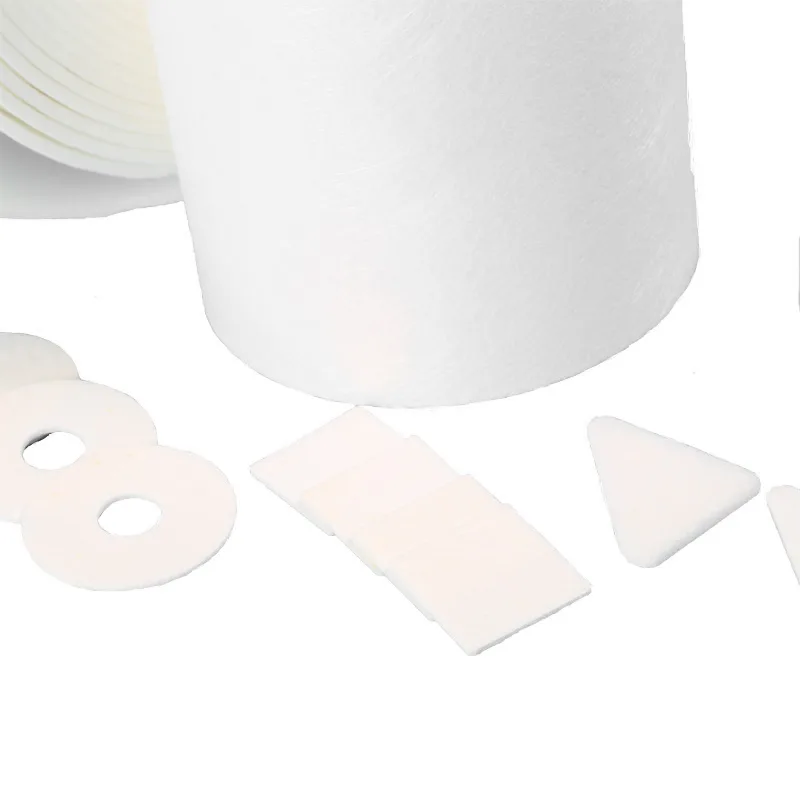
Table of Contents
- Understanding Carbon Canister Filter Media
- How Activated Carbon Captures Gaseous Contaminants
- Key Components and Structures
- Performance Factors
- Carbon Media vs. Particle Filtration
- Industrial Applications
- Selecting the Right Media
- Common Problems and Solutions
- Quality and Manufacturing
- Maintenance and Service Life
- Frequently Asked Questions
- Conclusion and Supplier Support
1. Understanding Carbon Canister Filter Media
Carbon canister filter media is a specialized filtration material used inside canisters, cartridges, air-cleaning units, and other enclosed filtration assemblies. Its primary purpose is to reduce gaseous contaminants that may not be effectively captured by ordinary mechanical filters.
The central material in many carbon filtration systems is activated carbon. Through physical and chemical activation processes, carbon can develop a highly porous internal structure with a large effective surface area. This structure provides numerous sites where contaminant molecules can become attached.
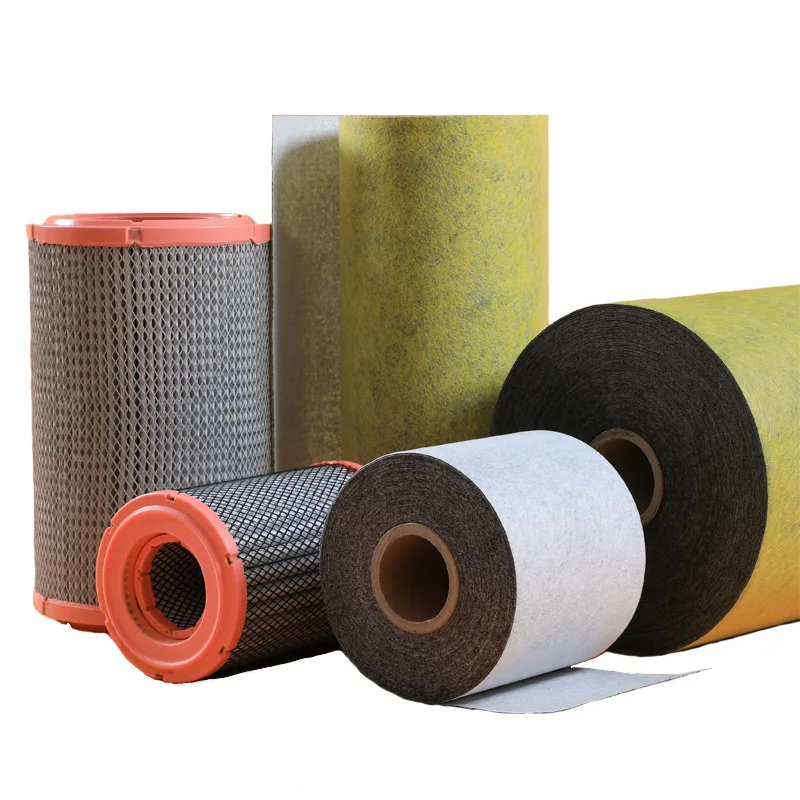
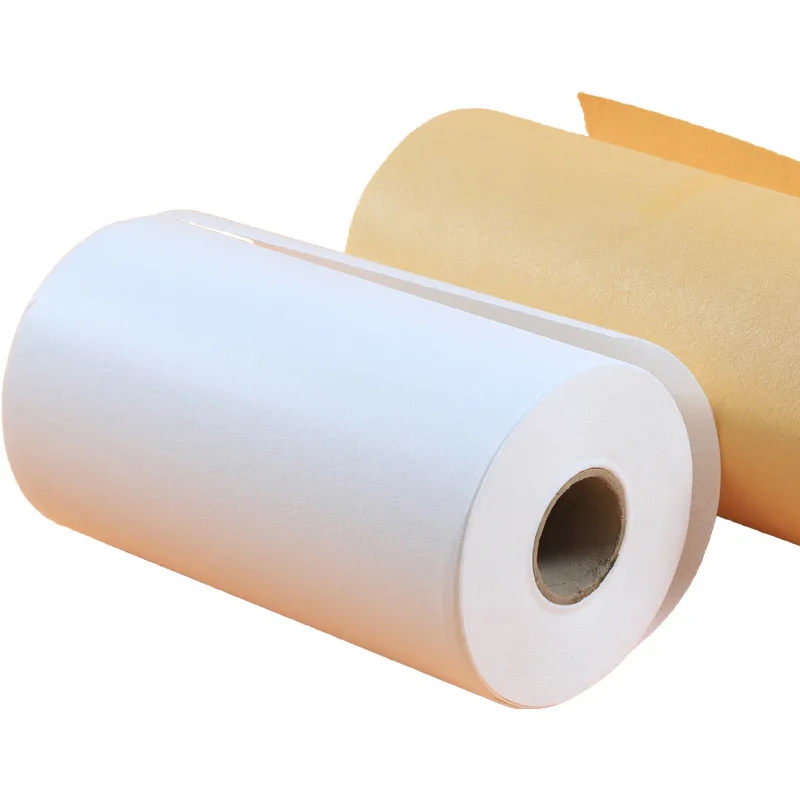
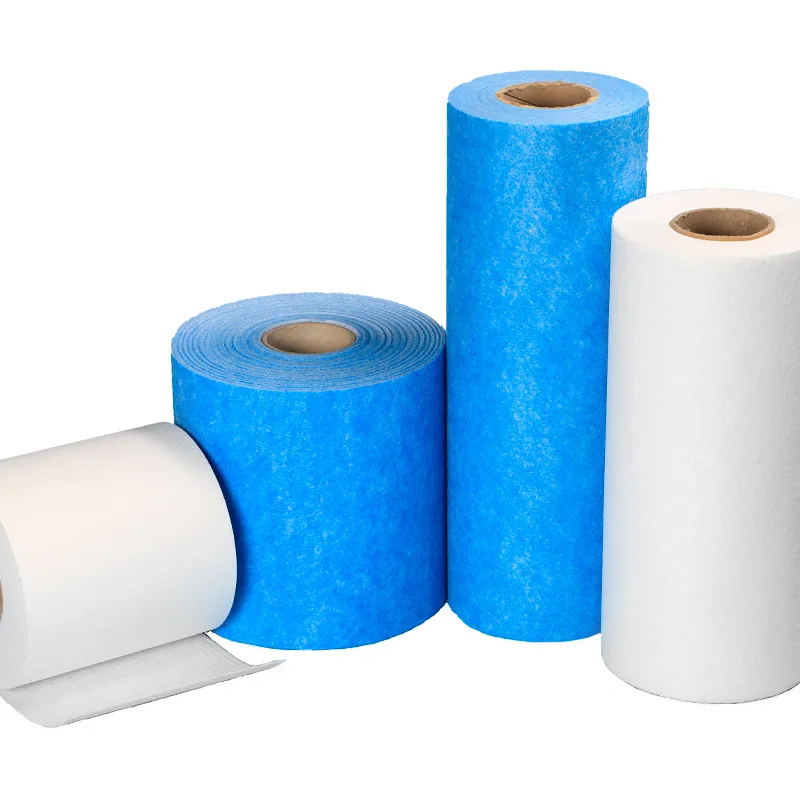
The media can be supplied in different forms, including carbon-loaded nonwoven materials, carbon cloth, carbon foam, bonded carbon sheets, granular carbon layers, and composite filtration structures. The appropriate construction depends on the airflow requirement, target contaminants, equipment configuration, and expected operating conditions.
Key point: Carbon filtration is primarily concerned with gaseous contaminants and odors, while conventional mechanical filtration is mainly designed for particulate matter.
2. How Activated Carbon Captures Gaseous Contaminants
The principal mechanism behind activated carbon filtration is adsorption. In adsorption, contaminant molecules accumulate on the surface of a solid material rather than being absorbed into the material in the conventional sense.
Activated carbon contains a network of microscopic pores. When contaminated air passes through the carbon layer, certain gas molecules interact with the carbon surface and are retained within the porous structure.
- Air enters the filter: Contaminated air moves through the canister or filter assembly.
- Pre-filtration may occur: Larger dust particles can be removed by a particulate layer before reaching the carbon media.
- Gas molecules contact carbon: Target molecules reach the activated carbon surface.
- Adsorption takes place: Suitable molecules attach to active surfaces within the carbon pores.
- Cleaner air exits: The treated air leaves the filtration assembly with reduced concentrations of targeted contaminants.
However, activated carbon is not equally effective against every gas. Carbon selection must therefore be based on the chemical characteristics of the target contaminant. In certain applications, chemically impregnated carbon may be used when ordinary activated carbon does not provide sufficient removal performance.
3. Key Components and Structures of Carbon Filter Media
A high-quality carbon filter is more than simply a layer of activated carbon. The supporting structure has a major influence on airflow, carbon retention, mechanical strength, and overall filter life.
| Media Structure | Main Characteristics | Typical Benefit |
|---|---|---|
| Carbon-loaded nonwoven | Flexible fiber structure with carbon distributed through or on the web | Easy processing and adaptable filter construction |
| Carbon cloth | Textile-based carbon structure | Good flexibility and conformability |
| Carbon foam | Open three-dimensional structure | High airflow potential |
| Granular carbon layer | Individual carbon particles contained in a filter housing | High carbon loading capability |
| Composite media | Combines particle and gas filtration layers | Multi-function filtration |
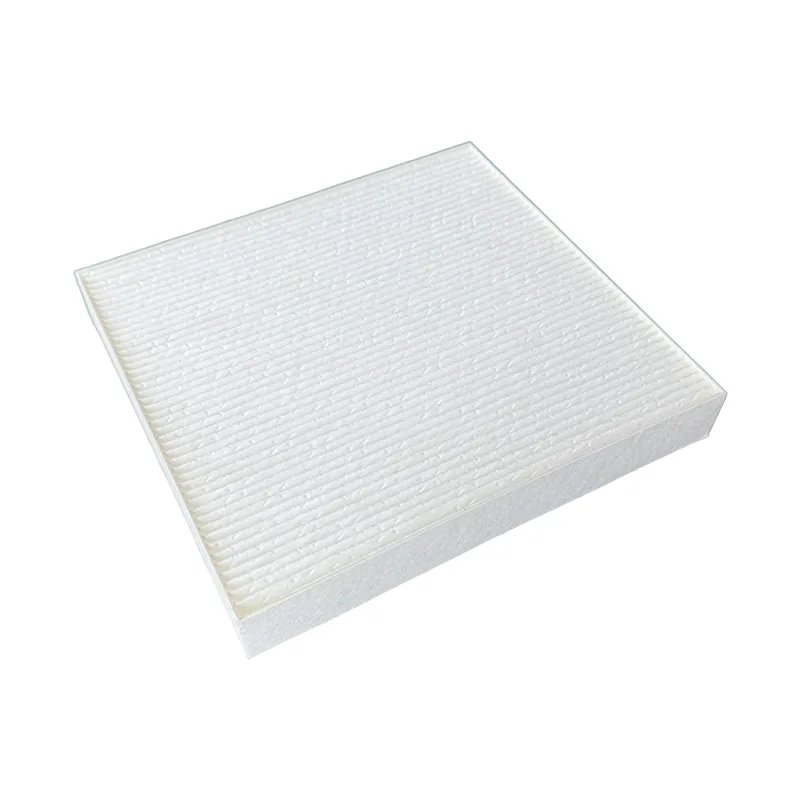
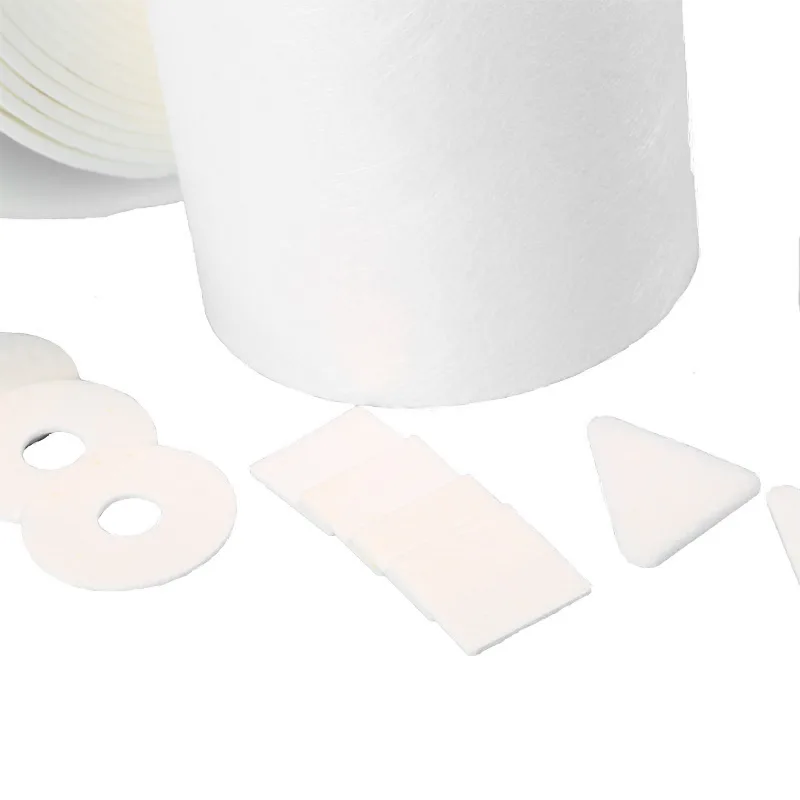
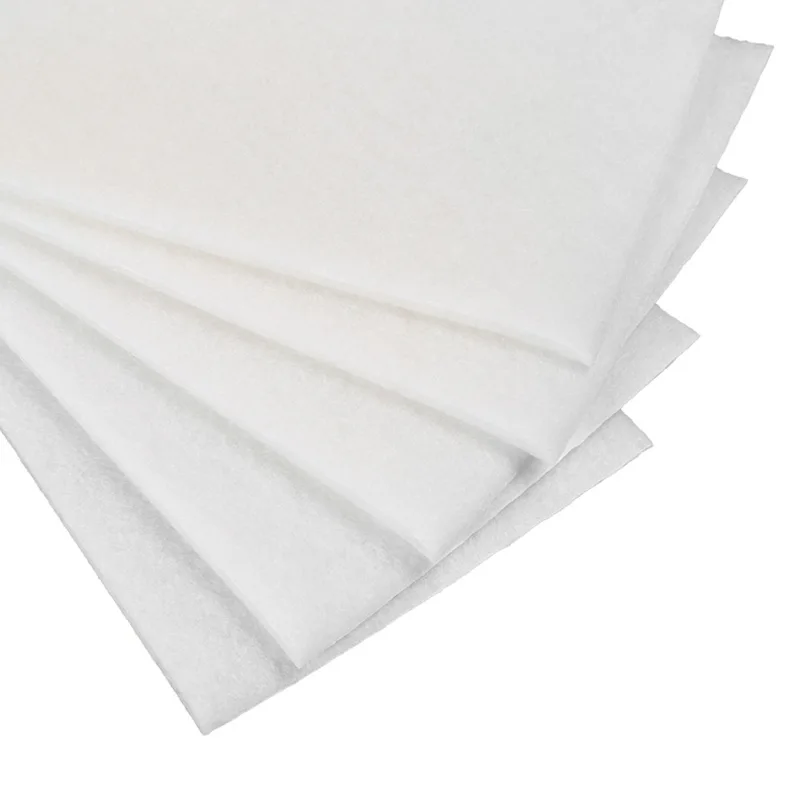
Nonwoven-based carbon media can be especially useful when a manufacturer needs a lightweight, flexible, die-cuttable, or pleatable material. The fiber network can also provide mechanical support for carbon particles while maintaining a practical balance between filtration performance and pressure drop.
4. Performance Factors That Affect Filtration Results
One of the most common purchasing mistakes is evaluating carbon media solely by its carbon content. A high carbon loading does not automatically guarantee better real-world performance. Several variables work together.
- Carbon type: Different carbon sources and activation methods produce different pore structures and adsorption characteristics.
- Carbon loading: More usable carbon can increase adsorption capacity, although excessive loading may affect airflow and flexibility.
- Surface area: A larger accessible surface area can provide more adsorption sites.
- Pore distribution: Micropores, mesopores, and larger pores influence how different molecules interact with the carbon.
- Media thickness: Greater thickness can increase contact time and adsorption capacity but may also increase pressure drop.
- Air velocity: Higher airflow can reduce the time available for contaminants to interact with the carbon.
- Humidity: Water vapor can compete with certain contaminants for adsorption sites.
- Contaminant concentration: Heavy contamination can consume adsorption capacity faster.
- Temperature: Temperature changes can influence adsorption behavior and service life.
| Design Factor | Potential Effect |
|---|---|
| Higher carbon loading | May increase adsorption capacity but can influence airflow and weight |
| Greater thickness | Can provide longer contact time but may raise resistance |
| Higher airflow | Can reduce contaminant contact time |
| High humidity | May reduce adsorption effectiveness for some compounds |
5. Carbon Canister Filter Media Compared with Particle Filtration
Air filtration systems frequently require more than one filtration mechanism. Understanding the difference between particulate filtration and gas-phase filtration helps engineers avoid selecting a material that cannot address the actual contamination problem.
| Feature | Particle Filter | Carbon Filter Media |
|---|---|---|
| Primary target | Dust, fibers, aerosols, particles | Gases, vapors, odors |
| Main mechanism | Mechanical interception and related particle-capture mechanisms | Adsorption and, where applicable, chemical reaction |
| Odor control | Generally limited | One of the main applications |
| Typical combination | Often used as a pre-filter | Often follows particulate filtration |
In many practical systems, the best solution is a combination of technologies rather than relying on one material. A particulate pre-filter can protect the carbon layer from excessive dust loading, while the carbon layer focuses on gaseous contaminants.
6. Common Applications Across Different Industries
Carbon canister filter media is used wherever odor, vapor, or gaseous contamination needs to be controlled. Its exact construction can vary significantly between applications.
HVAC & Indoor Air
Used for odor and selected gaseous contaminant control in ventilation and air-cleaning systems.
Automotive
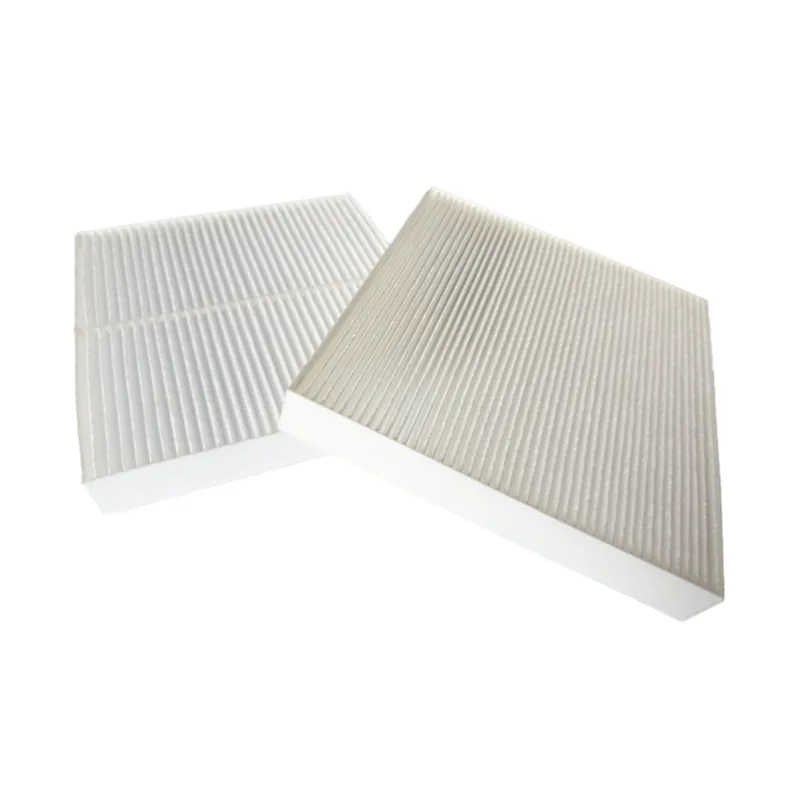
Carbon-based filtration can help control unwanted odors and selected pollutants entering vehicle cabins.
Industrial Facilities
Applicable to selected ventilation systems where gaseous contamination or process odors require control.
Commercial Buildings
Can support odor reduction in offices, retail environments, public facilities, and other occupied spaces.
Waste & Odor Control
Carbon filtration can be incorporated into systems designed to reduce nuisance odors from selected processes.
Specialized Equipment
Custom carbon media can be developed for compact devices, enclosures, cabinets, and engineered filtration assemblies.
7. How to Select Suitable Carbon Canister Filter Media
Selecting filter media should begin with the application rather than the material name alone. Buyers should define the operating conditions and contamination profile before comparing suppliers.
- Identify the target contaminants. Determine whether the primary concern is odor, VOCs, solvent vapors, sulfur compounds, ammonia, or another gaseous contaminant.
- Determine the airflow requirement. Record the normal and maximum airflow rate through the filter.
- Set acceptable pressure drop. A highly loaded carbon layer may provide strong adsorption capacity but can create excessive resistance if poorly designed.
- Consider humidity and temperature. These environmental conditions can influence adsorption behavior.
- Define the available filter space. Thickness, width, length, pleat depth, and canister geometry all affect the final design.
- Evaluate carbon loading and media construction. Look beyond a single carbon percentage and examine the entire filter structure.
- Request application-specific testing. Laboratory data should be interpreted in relation to the actual operating conditions.
- Check consistency between batches. Stable raw materials and controlled production processes are essential for repeatable filtration performance.
Buyer reminder: Avoid choosing carbon filter media based only on thickness, weight, or carbon content. The right material must balance adsorption performance, airflow, mechanical properties, processing requirements, and expected service life.
8. Common Problems and Practical Solutions
| Problem | Possible Cause | Practical Approach |
|---|---|---|
| Odor returns quickly | Carbon capacity may be exhausted or operating load is too high | Review contaminant concentration, carbon quantity, airflow, and replacement interval |
| Pressure drop is excessive | Media is too dense, thick, or loaded | Optimize fiber structure, thickness, carbon distribution, and filter geometry |
| Carbon particles migrate | Insufficient bonding or containment | Improve bonding, carrier structure, or particle retention |
| Performance varies between batches | Inconsistent raw materials or production conditions | Strengthen incoming inspection and process control |
9. Quality Control and Manufacturing Considerations
For filter manufacturers and industrial buyers, material consistency is as important as nominal filtration performance. A carbon media that performs well in one sample but changes significantly from batch to batch can create production and customer-service problems.
Important quality checkpoints may include:
- Basis weight and material thickness
- Carbon loading and distribution uniformity
- Activated carbon characteristics
- Mechanical strength and flexibility
- Air permeability
- Pressure drop under defined test conditions
- Adsorption performance against relevant target compounds
- Particle retention and carbon shedding control
- Dimensional stability during converting
- Roll-to-roll production consistency
For OEM applications, communication between the media supplier and filter manufacturer is particularly important. Specifications should cover the final application, not just the raw material. A supplier with material-development capabilities can help adjust carbon loading, fiber composition, thickness, bonding method, and roll dimensions to meet a particular filter design.
10. Maintenance and Service-Life Management
Carbon filter media has a finite adsorption capacity. Once a significant portion of the available adsorption sites has been occupied, contaminant removal performance can decline. For this reason, replacement planning should be based on operating conditions rather than an arbitrary schedule whenever reliable monitoring information is available.
Factors that can shorten service life include:
- High contaminant concentration
- Continuous high airflow
- High humidity
- Elevated temperature
- Insufficient carbon loading
- Unexpected contamination peaks
- Poorly designed pre-filtration
Regular inspection can help identify pressure-drop changes, visible contamination, odor breakthrough, structural deterioration, or other signs that the filter requires attention. In critical applications, performance monitoring and controlled replacement procedures are preferable to relying solely on visual inspection.
Frequently Asked Questions About Carbon Canister Filter Media
FAQ
What is carbon canister filter media?
Carbon canister filter media is a filtration material containing activated carbon or another carbon-based adsorbent. It is primarily designed to reduce odors, gases, vapors, and selected volatile contaminants from air streams.
What is the main function of activated carbon?
Activated carbon provides a highly porous surface capable of adsorbing many types of gaseous molecules. Its effectiveness depends on the carbon's pore structure, surface properties, target contaminant, and operating conditions.
Can carbon filter media remove dust?
Carbon media is not primarily intended for high-efficiency particle removal. A separate particulate filtration layer is often used before the carbon stage to capture dust and protect the adsorption material.
Does thicker carbon media always perform better?
Not necessarily. Greater thickness can provide more adsorption material and contact time, but it may also increase pressure drop. Effective filter design requires a balance between adsorption capacity, airflow, space, and system resistance.
How does humidity affect carbon filtration?
Water vapor can compete with some target molecules for adsorption sites and may change adsorption behavior. The impact depends on the carbon type, contaminant, humidity level, and system design.
Can carbon canister filter media be customized?
Yes. Depending on the supplier's capabilities, customization may include carbon type, carbon loading, thickness, basis weight, fiber structure, bonding method, roll width, and other physical characteristics required by the final filtration system.
How can buyers evaluate a carbon filter media supplier?
Buyers should examine material consistency, technical documentation, testing capability, production capacity, customization experience, quality-control procedures, and the supplier's ability to provide application-specific solutions rather than relying only on a product specification sheet.
Conclusion: Building Better Carbon Filtration Systems
Carbon canister filter media is an important solution for gas-phase filtration and odor control, but its performance depends on much more than simply adding activated carbon to a filter. Carbon characteristics, loading level, pore structure, media construction, airflow, humidity, temperature, contaminant concentration, and contact time all influence the final result.
For filter manufacturers and industrial buyers, the most reliable approach is to match the media to the actual application. A well-designed carbon filter should provide an appropriate balance between adsorption capacity, pressure drop, mechanical stability, processing efficiency, and service life.
Selecting an experienced material supplier can also simplify product development. Technical communication, consistent production, application testing, and customization support can help transform a basic carbon material into a more effective filtration solution.
Biaodian Nonwovens technology Co., Ltd focuses on nonwoven filtration materials and customized solutions for demanding applications. If you need carbon-loaded nonwoven media, application-specific specifications, or OEM filtration material support, contact us to discuss your requirements and develop a suitable solution for your filter system. Contact Us.
Contact Biaodian Nonwovens technology Co., Ltd
Discuss your carbon canister filter media requirements with our team. Share your target application, required dimensions, airflow conditions, carbon loading requirements, and performance objectives so a suitable filtration material can be evaluated for your project.
Related News
- What Makes a Cabin Filter Fleece Band Essential for Reliable Filter Construction?
- How Does Diesel Filter Media Improve Fuel Filtration Performance?
- What Makes PP Air Filter Media Effective for Modern Air Filtration?
- What Makes Non-Woven Oil Filter Gasket Essential for Better Filtration Performance?
- How Does Particulate Cabin Filter Media Improve Vehicle Air Quality and Driving Comfort?
- How Does Multi-functional Activated Carbon Filter Media Improve Air and Water Purification Performance?
Leave me a message