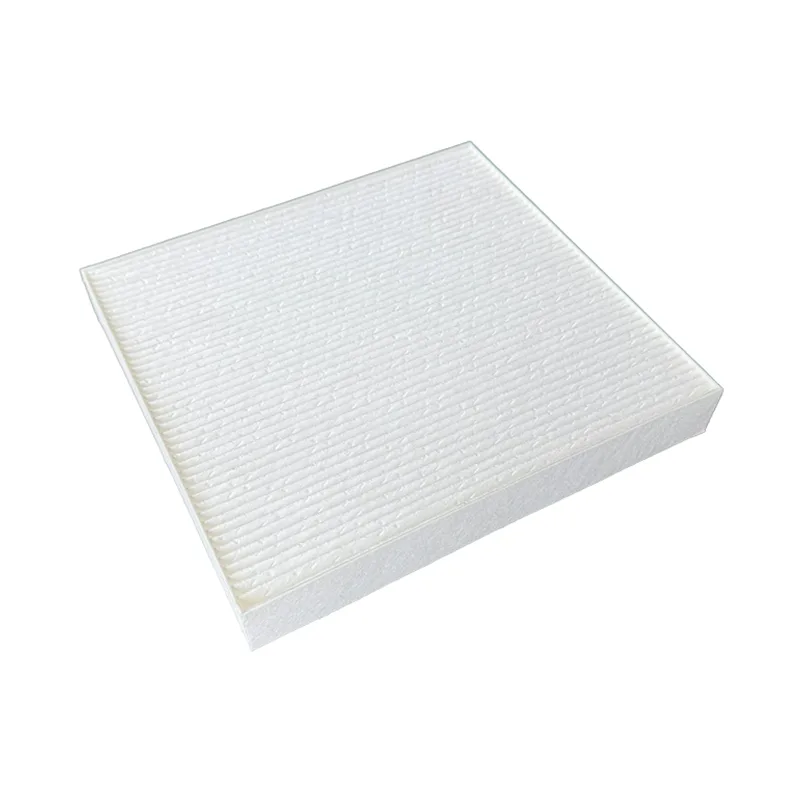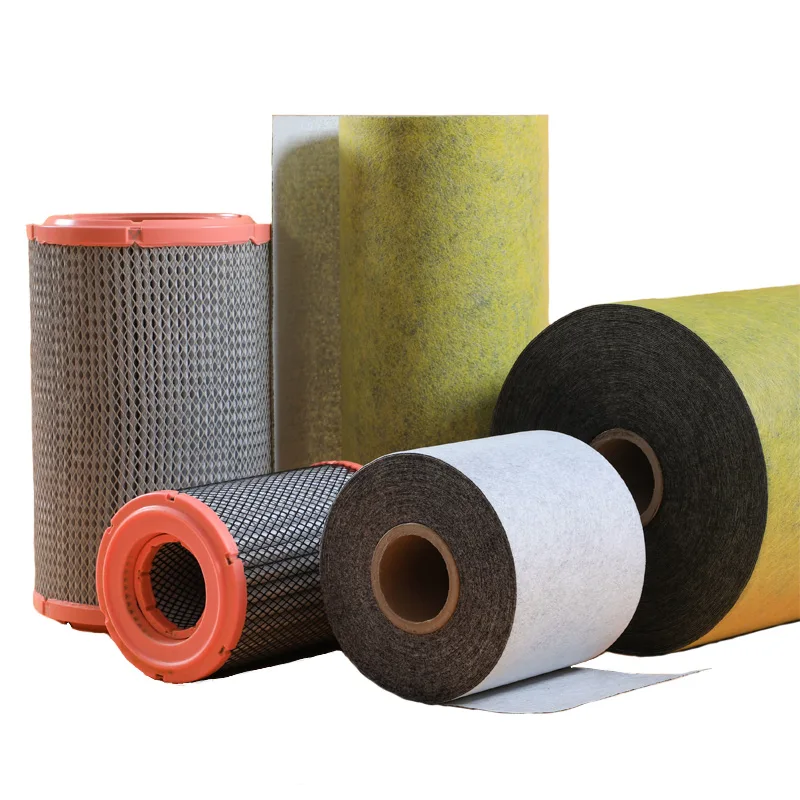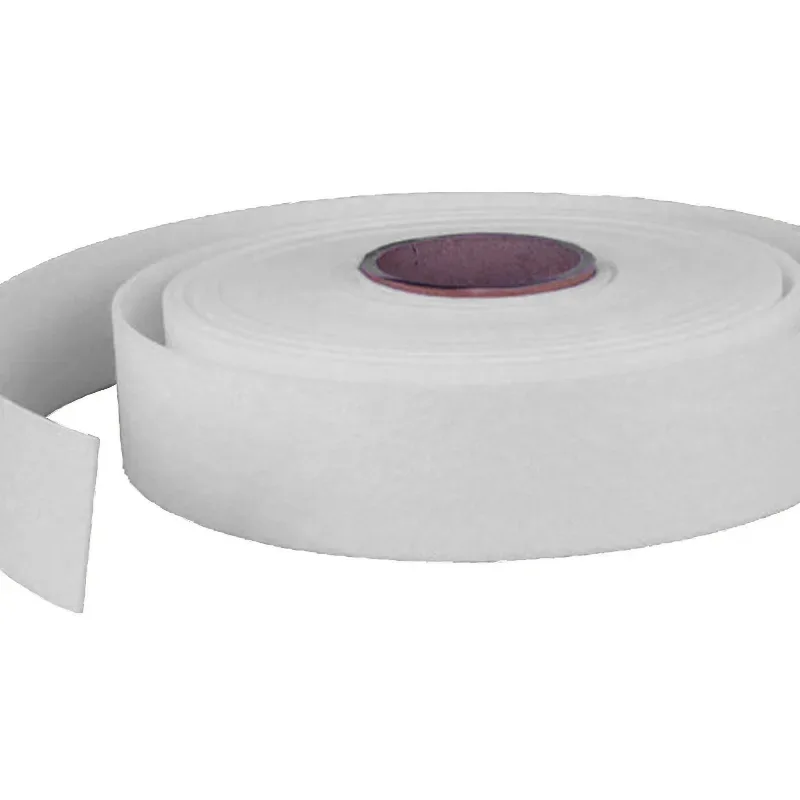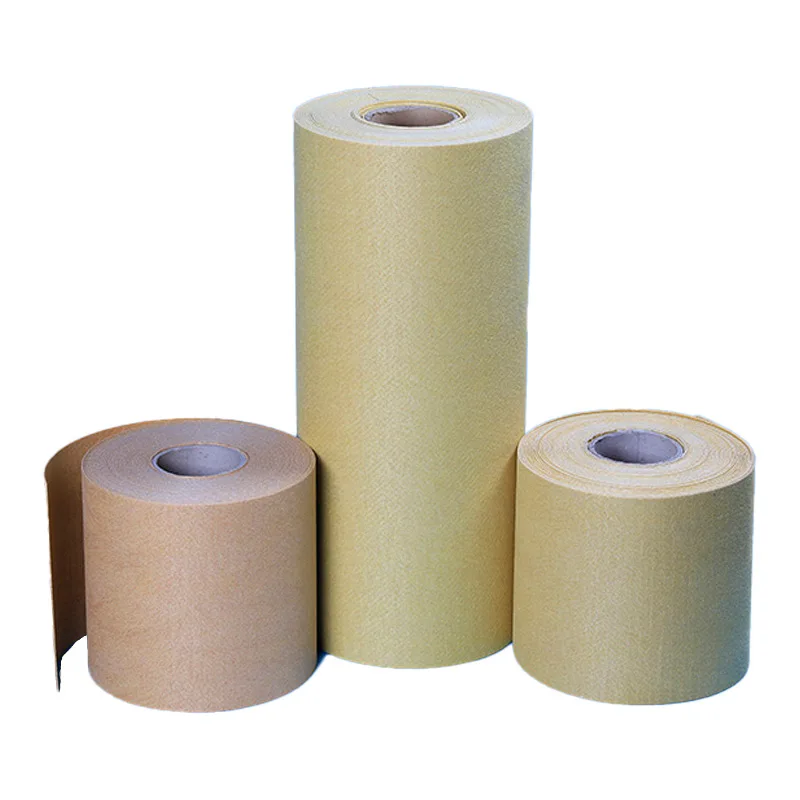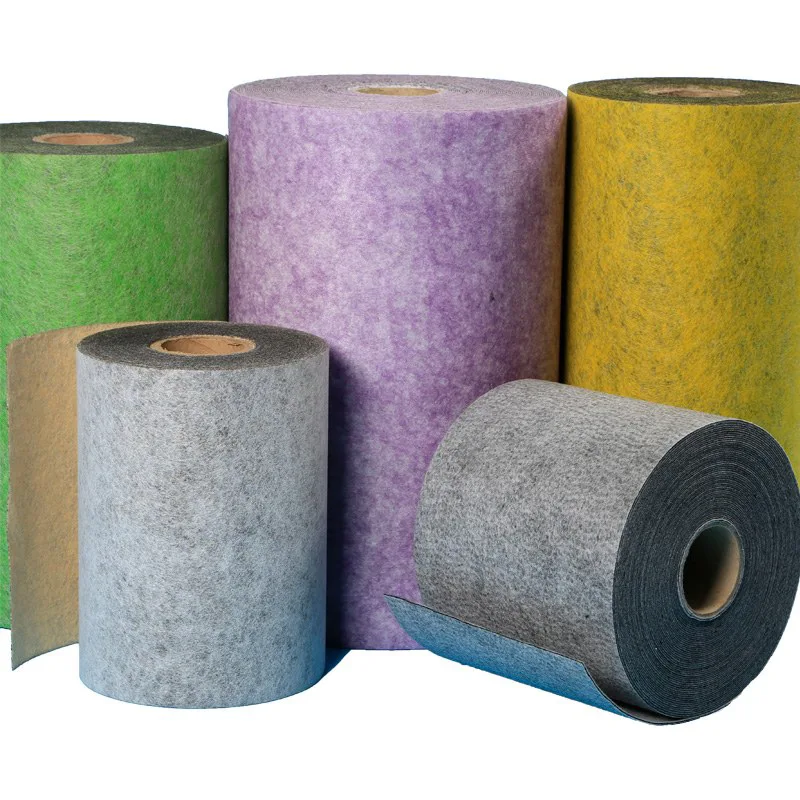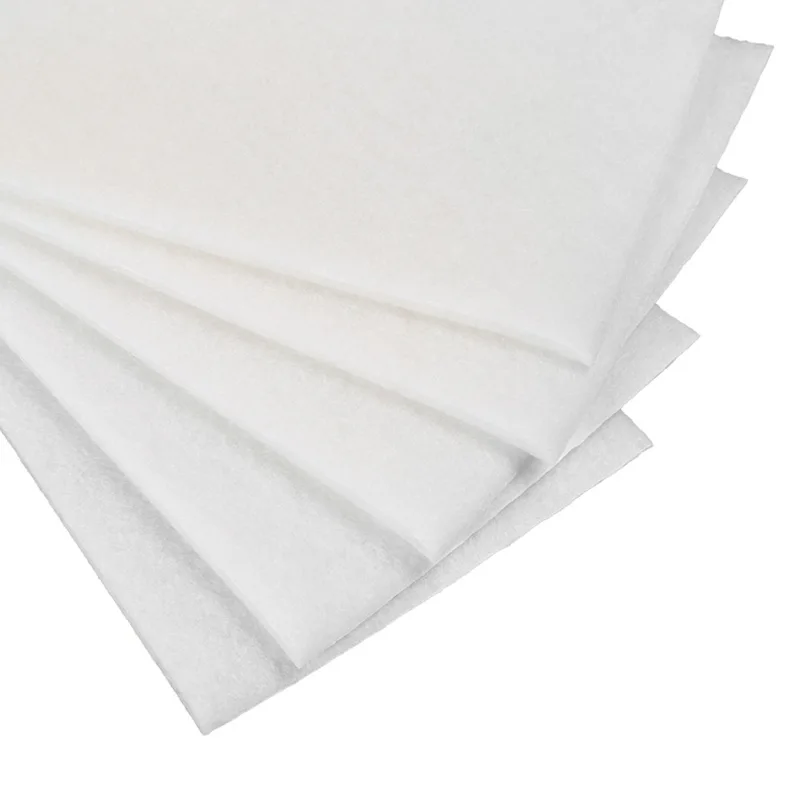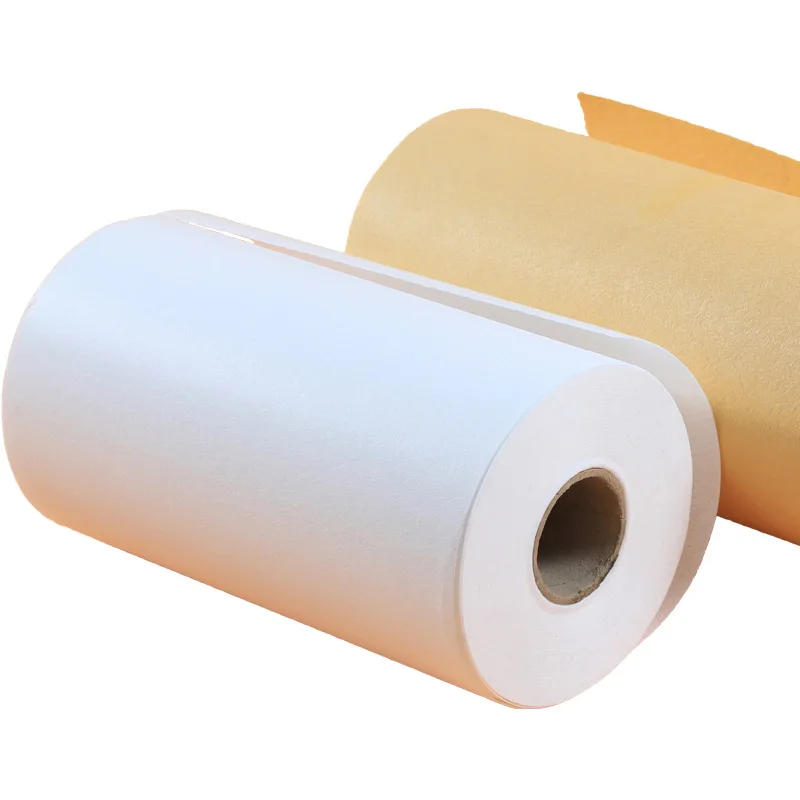
Gearbox filter media plays a critical role in maintaining lubricant cleanliness, protecting precision components, and extending equipment service life. From industrial gearboxes and wind turbines to heavy-duty machinery, the right filtration material helps control particles, reduce abrasive wear, and maintain consistent oil flow. This article explains how gearbox filter media works, which materials are commonly used, what performance characteristics matter most, and how to select a suitable filtration solution for different operating conditions.
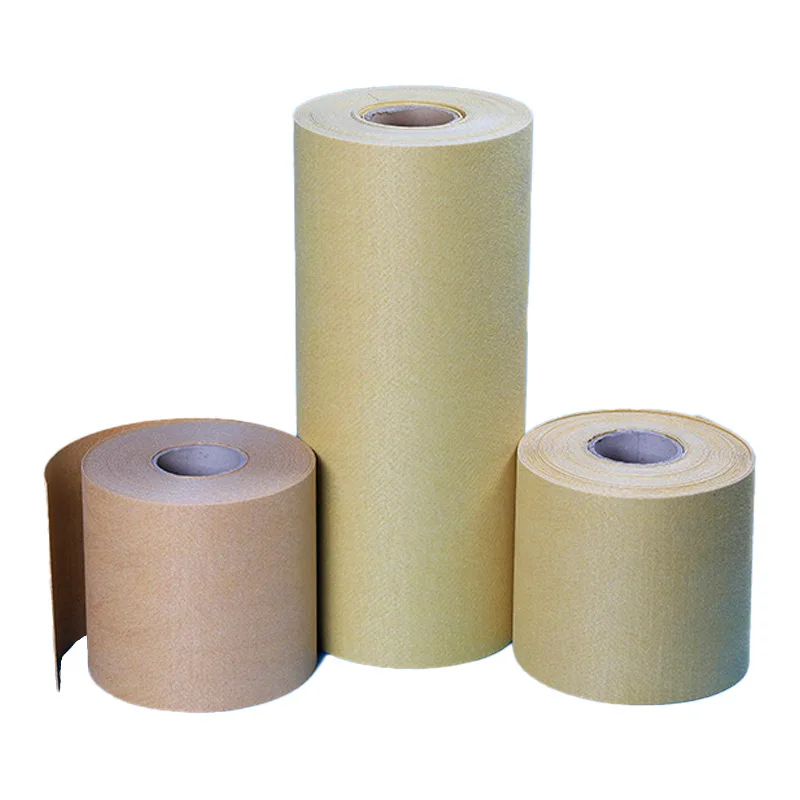
Table of Contents
- Understanding Gearbox Filter Media
- Why Gearbox Filtration Matters
- How Gearbox Filter Media Works
- Common Materials Used in Gearbox Filters
- Key Performance Characteristics
- How to Choose the Right Filter Media
- Common Filtration Problems and Solutions
- Applications Across Different Industries
- Maintenance and Service Life Considerations
- Why Work with an Experienced Filter Media Manufacturer?
- Frequently Asked Questions
1. Understanding Gearbox Filter Media
Gearboxes are essential components in industrial equipment, automotive systems, wind turbines, manufacturing machinery, and many other mechanical applications. They transfer power, regulate rotational speed, and deliver the torque required to operate machines efficiently. During operation, however, friction between gears, bearings, and other moving parts gradually generates wear particles and contaminants.
These particles can circulate through the lubricating oil and damage critical components if they are not properly controlled. This is where gearbox filter media becomes important.
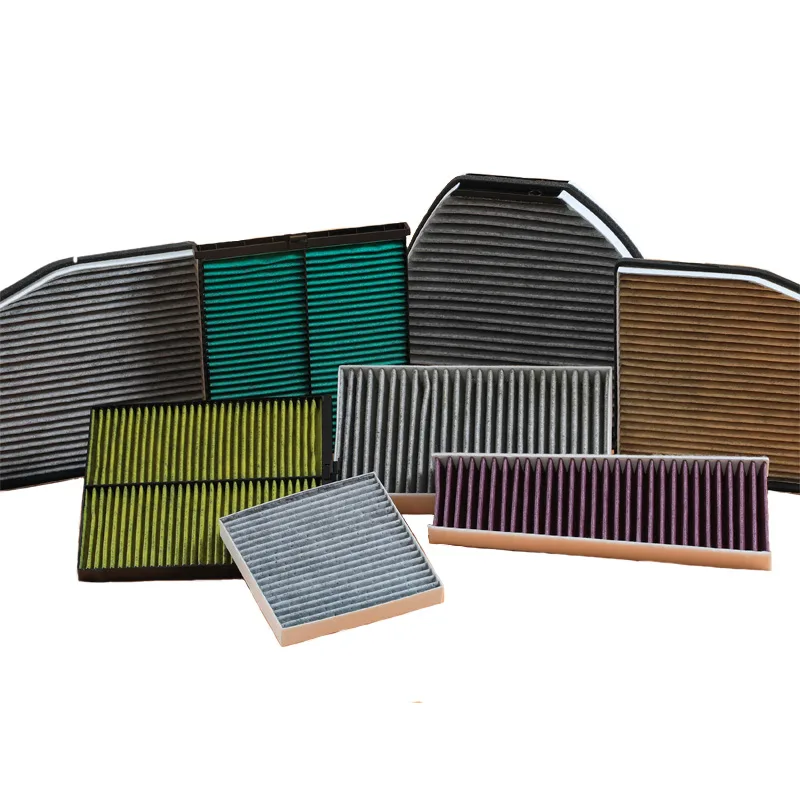
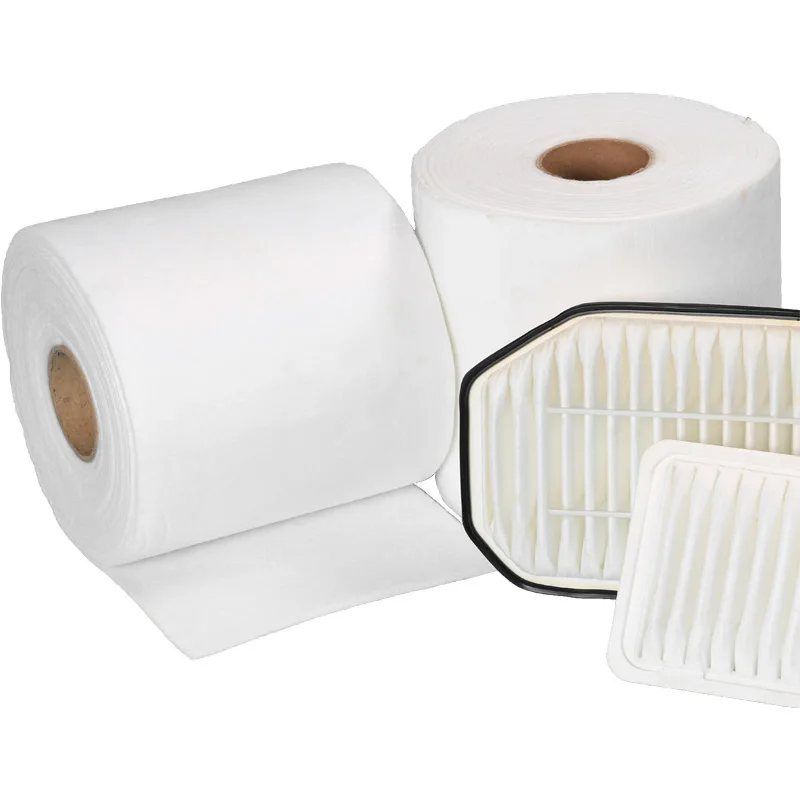
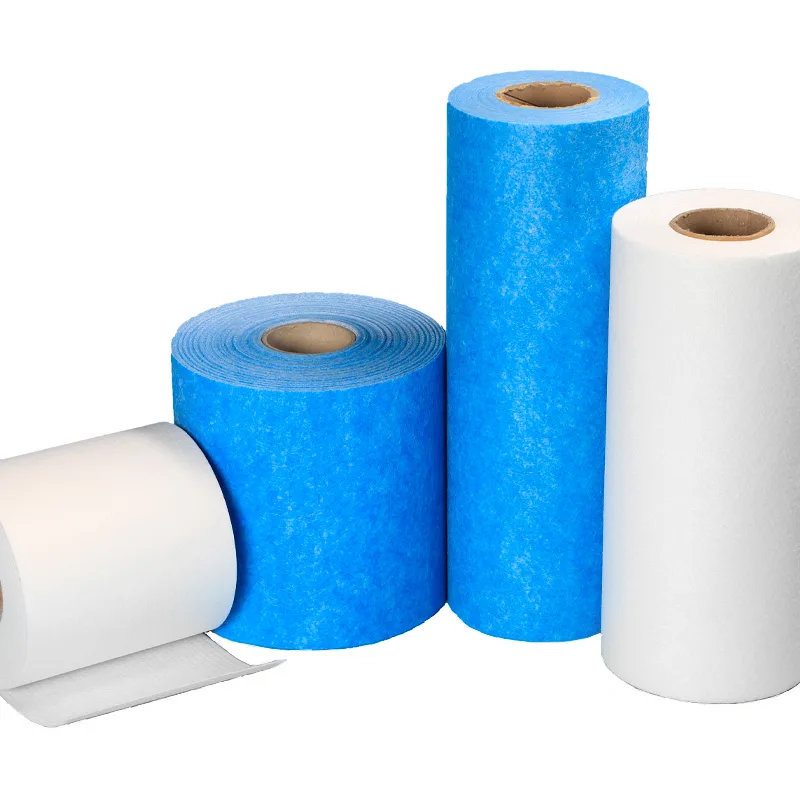
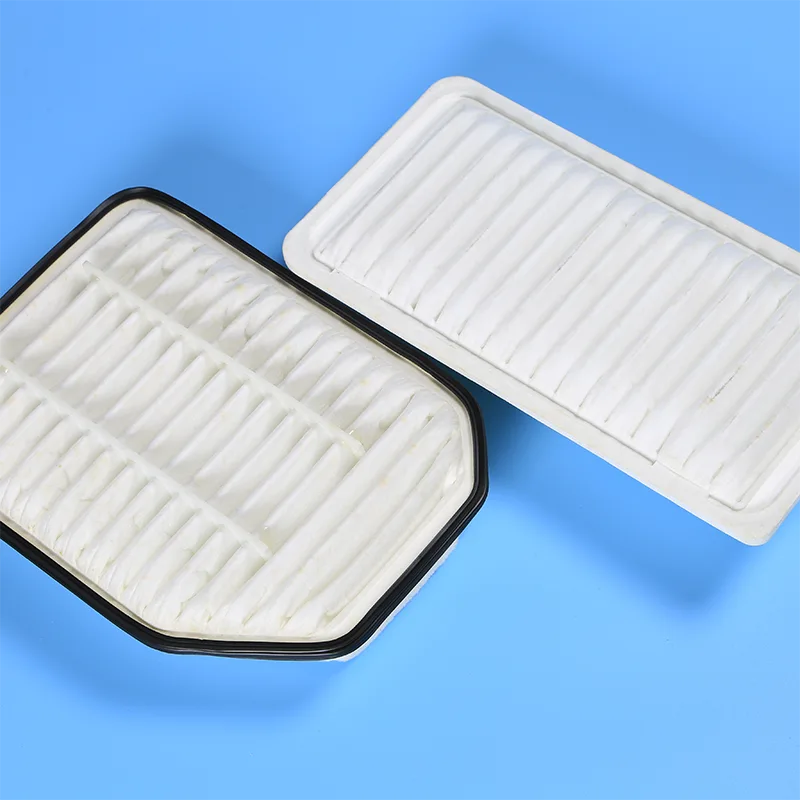
Gearbox filter media refers to the porous filtration material used inside oil filters and filtration assemblies to capture unwanted contaminants while allowing lubricating oil to pass through. It serves as the functional filtration layer responsible for maintaining oil cleanliness and supporting stable lubrication performance.
What Does Gearbox Filter Media Actually Do?
Its primary purpose is to separate solid contaminants from lubricating oil. Depending on the material structure and filtration design, it can capture different particle sizes and help prevent contaminants from repeatedly circulating through the gearbox.
- Particle retention: Captures metal wear debris, dust, and other solid contaminants.
- Oil cleanliness: Helps maintain suitable lubricant cleanliness levels.
- Component protection: Reduces the risk of abrasive damage to gears and bearings.
- Stable oil circulation: Supports consistent lubricant flow when properly selected and maintained.
- Equipment reliability: Helps reduce contamination-related maintenance problems.
Although filter media is only one part of a complete filtration system, its properties directly influence filtration efficiency, pressure drop, dirt-holding capacity, and overall filter performance.
2. Why Is Gearbox Filtration Important?
Lubricating oil performs several functions simultaneously. It reduces friction, carries away heat, protects metal surfaces, and helps prevent corrosion. However, oil can gradually become contaminated during normal equipment operation.
Common contaminants include:
- Metal particles generated by gear and bearing wear.
- Dust and airborne particles entering through seals or ventilation systems.
- Oxidation products and degraded lubricant residues.
- Moisture and other external contaminants.
- Particles introduced during oil filling, maintenance, or equipment assembly.
What Happens When Contaminants Remain in Gearbox Oil?
Uncontrolled contamination can create a chain reaction of mechanical problems. Hard particles may become trapped between moving surfaces, causing three-body abrasive wear. Smaller particles can also contribute to surface fatigue and damage precision components over time.
Potential consequences include:
- Increased friction and operating temperatures.
- Premature gear and bearing wear.
- Reduced lubrication effectiveness.
- Unexpected equipment downtime.
- Higher maintenance and replacement costs.
- Reduced operational efficiency and equipment reliability.
Effective filtration helps control these risks. It does not eliminate every contamination source or replace proper lubrication practices, but it provides an important layer of protection for machinery operating under demanding conditions.
3. How Does Gearbox Filter Media Work?
Most gearbox oil filtration systems use a porous filter structure through which lubricant flows. As oil passes through the media, particles are captured through different filtration mechanisms depending on the material structure, pore distribution, and filtration design.
Mechanical Particle Capture
Mechanical filtration occurs when contaminants are retained within or on the surface of the filter material. Larger particles may be blocked by smaller openings, while finer particles can be captured through depth filtration mechanisms.
Depth Filtration and Surface Filtration
These two approaches are commonly used in industrial filtration applications.
| Feature | Surface Filtration | Depth Filtration |
|---|---|---|
| Filtration mechanism | Particles accumulate mainly on the media surface. | Particles are retained throughout the media thickness. |
| Media structure | Often uses relatively uniform openings or structured layers. | Often uses a three-dimensional porous fiber structure. |
| Particle retention | Primarily captures particles larger than the effective openings. | Can capture particles at different depths within the structure. |
| Dirt-holding capacity | Depends strongly on available surface area. | Can provide greater internal contaminant storage. |
| Typical consideration | Suitable where surface capture and predictable separation are needed. | Useful where contaminant loading and internal particle retention matter. |
In practical applications, some filters combine multiple layers to achieve a balance between particle retention, flow capacity, structural strength, and service life.
Why Is Oil Flow Resistance Important?
Filter media must capture contaminants without creating excessive resistance to oil flow. If the pressure drop becomes too high, lubricant delivery may be affected, especially in systems with demanding flow requirements or cold-start conditions.
Therefore, filter selection should consider both filtration efficiency and hydraulic performance rather than focusing on particle retention alone.
4. What Materials Are Commonly Used in Gearbox Filter Media?
Different filtration materials offer different combinations of filtration performance, mechanical strength, chemical compatibility, and cost. The appropriate material depends on the lubricant, operating temperature, pressure conditions, contamination profile, and filter construction.
1. Synthetic Fiber Media
Synthetic fiber materials, including polyester and polypropylene-based structures, are widely used in industrial filtration. They can provide controlled fiber distribution, good structural consistency, and flexibility in designing different filtration grades.
Potential advantages include:
- Adjustable fiber diameter and media thickness.
- Flexible filtration efficiency and pore structure design.
- Potentially good resistance to moisture and selected chemicals, depending on polymer type.
- Compatibility with different multilayer filtration constructions.
2. Cellulose Filter Media
Cellulose-based media are made from natural fibers and have a long history in oil filtration. They can provide effective particle capture at a relatively economical cost.
However, their resistance to moisture, temperature, and certain chemical conditions may be more limited than that of some synthetic alternatives. Their suitability must be evaluated against the specific lubricant and operating environment.
3. Glass Fiber Media
Fine glass fibers can be used in high-efficiency filtration structures. Their small fiber diameters allow manufacturers to design media capable of capturing relatively fine particles.
Glass fiber media may be suitable for applications requiring high filtration precision, but the complete filter structure must also provide sufficient strength and resistance to operating pressure.
4. Composite and Multilayer Filter Media
Composite media combine different materials or fiber structures to achieve multiple performance objectives. For example, a multilayer design may use an upstream layer for larger contaminants and a finer downstream layer for smaller particles.
This approach can help balance filtration efficiency, dirt-holding capacity, pressure drop, and mechanical stability.
| Material Type | Main Characteristics | Important Selection Factors |
|---|---|---|
| Synthetic Fiber | Flexible structure and adjustable filtration properties. | Oil compatibility, temperature, and pressure resistance. |
| Cellulose | Traditional filtration material with economical options. | Moisture resistance and lubricant compatibility. |
| Glass Fiber | Fine fiber structure suitable for high-efficiency designs. | Structural integrity and pressure resistance. |
| Composite Media | Combines different layers or material properties. | Layer compatibility and overall filtration performance. |
No single material is universally suitable for every gearbox. Selection should be based on actual operating requirements and validated performance data.
5. What Performance Characteristics Should You Evaluate?
When purchasing gearbox filter media or developing a customized filtration component, several technical parameters deserve attention.
Filtration Efficiency
Filtration efficiency describes the proportion of particles of a specified size that a filter captures under defined test conditions. It is important to distinguish between nominal and absolute filtration ratings, as these terms may be defined differently by manufacturers.
For technical comparisons, ask suppliers for particle-size-specific efficiency data and the applicable test method. The beta ratio is one commonly used way to express filtration performance.
Pressure Drop
Pressure drop refers to the difference in fluid pressure across the filter media. It is influenced by media thickness, permeability, fiber structure, oil viscosity, flow rate, and contaminant loading.
A media with high particle retention but excessive flow resistance may not be suitable for a particular gearbox system.
Dirt-Holding Capacity
Dirt-holding capacity indicates how much contaminant a filter can retain before reaching a defined terminal pressure drop or other replacement criterion. Higher capacity may support longer service intervals, provided that other operating requirements are satisfied.
Mechanical Strength and Dimensional Stability
Filter media must maintain its structure during operation. Excessive deformation, fiber release, or media damage can compromise filtration performance and potentially contaminate the lubrication system.
Oil and Temperature Compatibility
The media must remain compatible with the specific lubricant formulation and expected operating temperature range. Compatibility should be assessed under realistic conditions rather than assumed from the material name alone.
Request a technical data sheet covering filtration efficiency, permeability or pressure drop, basis weight, thickness, tensile strength, temperature resistance, and relevant chemical compatibility. Ask for test conditions so different suppliers' data can be compared fairly.
6. How to Choose the Right Gearbox Filter Media
Selecting suitable filter media requires more than identifying a desired micron rating. Buyers should understand the complete filtration system and the conditions in which it will operate.
Step 1: Identify the Gearbox Application
Determine whether the media will be used in an industrial gearbox, wind turbine gearbox, automotive transmission, mining machine, or another lubrication system. Different applications involve different flow rates, contamination levels, temperatures, and operating cycles.
Step 2: Understand the Lubricant
Check the lubricant type, viscosity range, additive package, and expected operating temperature. These factors influence media compatibility and filtration performance.
Step 3: Define the Filtration Requirements
Work with the filter designer or equipment manufacturer to establish the required particle-size efficiency, cleanliness target, and allowable pressure drop.
Step 4: Evaluate Physical Properties
Review the media's thickness, weight, fiber structure, permeability, tensile strength, and dimensional consistency. These properties help determine whether the material can meet the requirements of the filter assembly.
Step 5: Verify Performance Through Testing
Laboratory testing and application trials help confirm whether the selected material performs as expected. Depending on the application, relevant testing may include:
- Particle filtration efficiency testing.
- Pressure-drop and permeability evaluation.
- Dirt-holding capacity testing.
- Oil immersion and chemical compatibility testing.
- Temperature resistance evaluation.
- Mechanical strength and structural integrity testing.
Gearbox Filter Media Supplier Evaluation Checklist
- Does the supplier understand industrial oil filtration applications?
- Can the supplier provide material specifications and test reports?
- Are customized thicknesses, widths, and material structures available?
- Can the supplier maintain consistent quality between production batches?
- Are sample testing and technical communication supported?
- Can the supplier meet your expected order quantity and delivery schedule?
7. Common Gearbox Filtration Problems and Their Solutions
Even a well-designed filtration system can experience performance problems when the media is incorrectly selected, improperly installed, or used beyond its operating limits.
| Common Problem | Possible Cause | Recommended Action |
|---|---|---|
| High pressure drop | Contaminant accumulation, excessive oil viscosity, or unsuitable media permeability. | Check oil temperature, flow conditions, filter loading, and media specifications. |
| Insufficient particle removal | Incorrect filtration rating, media damage, or bypass leakage. | Verify filtration efficiency and inspect the complete filter assembly. |
| Short filter service life | High contamination levels or inadequate dirt-holding capacity. | Identify contamination sources and evaluate alternative media structures. |
| Media deformation | Insufficient mechanical strength or excessive differential pressure. | Review structural support and operating pressure limits. |
| Unexpected oil contamination | Improper installation, fiber shedding, or damaged filter components. | Inspect the filter assembly and verify media integrity. |
One important point is that replacing filter media alone may not resolve recurring contamination problems. Gearbox seals, oil storage, filling procedures, breathing systems, and maintenance practices should also be inspected.
8. Where Is Gearbox Filter Media Used?
Gearbox filtration materials support a wide range of industrial and mechanical applications. The required material characteristics vary according to equipment design and operating conditions.
Wind Turbine Gearboxes
Wind turbine gearboxes operate under changing loads and environmental conditions. Lubricant cleanliness is important for protecting gears and bearings, particularly where maintenance access is difficult and unplanned downtime can be costly.
Industrial Manufacturing Equipment
Production lines, conveyors, mixers, and heavy industrial machinery frequently rely on gear reducers. Effective oil filtration helps control wear particles and maintain consistent mechanical performance.
Mining and Construction Machinery
Mining equipment and construction machinery often operate in dusty environments with heavy loads. Filtration systems must account for potentially high contamination levels and demanding operating conditions.
Automotive and Transportation Systems
Transmission and drivetrain lubrication systems also require appropriate filtration solutions. Media selection depends on the specific transmission architecture, lubricant, and manufacturer requirements.
Marine and Offshore Equipment
Marine gearboxes and offshore machinery may experience demanding operating environments, making lubricant cleanliness and material compatibility important considerations.
9. How Can You Maintain Gearbox Filter Performance?
Proper maintenance helps preserve filtration performance and reduce avoidable equipment problems. A filter should not be replaced solely according to a fixed calendar schedule without considering the equipment manufacturer's recommendations and actual operating conditions.
Recommended Maintenance Practices
- Monitor differential pressure: Track pressure changes across the filter to identify excessive loading or abnormal resistance.
- Conduct regular oil analysis: Monitor particle contamination, water content, viscosity, and other relevant oil properties.
- Follow replacement recommendations: Replace filters according to manufacturer instructions and validated service limits.
- Keep oil handling equipment clean: Use clean transfer containers, filling equipment, and storage practices.
- Inspect seals and connections: Check for external contamination entry and possible oil leakage.
- Record maintenance data: Maintain records of filter replacements, oil analysis, and abnormal operating conditions.
Oil analysis can also help distinguish between normal wear particles and unusual contamination events. When abnormal results appear, investigate the underlying cause rather than simply installing a new filter.
Always follow the gearbox and filter manufacturer's maintenance instructions. Filter replacement intervals, pressure limits, and cleanliness targets vary by equipment design and operating conditions.
10. Why Work with an Experienced Filter Media Manufacturer?
For filter manufacturers and industrial buyers, selecting a reliable filter media partner is an important part of maintaining product consistency and meeting customer expectations.
An experienced filtration material manufacturer should understand the relationship between fiber structure, filtration efficiency, permeability, mechanical properties, and end-use requirements.
Biaodian Nonwovens technology Co., Ltd focuses on nonwoven material solutions and the development of filtration-related materials. For buyers seeking gearbox filter media, evaluating a manufacturer's material capabilities, customization options, and quality control processes can help determine whether its products are suitable for a particular filtration project.
What Should Buyers Expect from a Professional Manufacturer?
- Material selection support: Recommendations based on the intended filtration application and technical requirements.
- Customized specifications: Options for evaluating different thicknesses, weights, fiber compositions, and material structures.
- Quality consistency: Production controls that help maintain stable material properties across batches.
- Technical documentation: Relevant product specifications and available performance test information.
- Sample evaluation: Opportunities to test materials before confirming larger orders.
Before placing an order, buyers should communicate their application, lubricant type, required filtration performance, operating temperature, pressure conditions, and dimensional requirements. Clear technical communication helps manufacturers recommend more appropriate material solutions.
Looking for Suitable Gearbox Filter Media?
Choosing the right filtration material is an important step toward protecting industrial equipment, maintaining lubricant cleanliness, and improving filtration system reliability.
Biaodian Nonwovens technology Co., Ltd welcomes inquiries from filter manufacturers, industrial buyers, and businesses looking for nonwoven filtration material solutions. Share your application requirements with our team to discuss suitable material specifications and potential customization options.
Contact us today to discuss your gearbox filter media requirements and explore material solutions for your next filtration project.
Frequently Asked Questions About Gearbox Filter Media
1. What is gearbox filter media used for?
Gearbox filter media is used to remove solid contaminants from lubricating oil. It helps maintain oil cleanliness, protect gears and bearings from abrasive wear, and support reliable gearbox operation.
2. Which material is best for gearbox filter media?
There is no universally best material. Synthetic fibers, cellulose, glass fibers, and composite structures each offer different properties. The right choice depends on lubricant compatibility, filtration efficiency, temperature, pressure drop, and dirt-holding requirements.
3. What micron rating should gearbox filter media have?
The required micron rating depends on the gearbox design, component clearances, lubrication system, and cleanliness target. Buyers should confirm the required particle-size efficiency with the equipment or filter manufacturer instead of choosing a rating based on assumptions.
4. How does gearbox filter media improve equipment service life?
By capturing wear particles and external contaminants, filter media helps reduce abrasive wear and contamination-related damage. This supports better lubrication conditions and can help reduce premature component failure.
5. What causes gearbox filters to become clogged?
Common causes include excessive wear debris, dust contamination, oxidation products, degraded oil residues, and insufficient filter capacity. Oil viscosity and operating temperature can also influence pressure drop.
6. Can gearbox filter media be customized?
Yes. Depending on the manufacturer's production capabilities, filter media may be customized by material composition, thickness, basis weight, width, and structural design. Technical requirements should be confirmed before production.
7. How often should gearbox filter media be replaced?
Replacement frequency depends on the filtration system, contamination level, operating conditions, and manufacturer recommendations. Differential pressure monitoring and regular oil analysis can help determine an appropriate maintenance schedule.
8. What information should I provide when requesting a quotation?
Useful information includes the intended application, material type, required filtration efficiency, thickness, basis weight, dimensions, operating temperature, lubricant compatibility, expected order quantity, and any available technical drawings or reference samples.
9. Why is dirt-holding capacity important in gearbox filtration?
Dirt-holding capacity determines how much contaminant the filter can retain before reaching a defined replacement or terminal pressure-drop condition. Adequate capacity can help reduce premature filter replacement and support more stable operation.
10. How can I evaluate a gearbox filter media supplier?
Review the supplier's material specifications, quality control procedures, available test reports, customization capabilities, sample support, and production consistency. Application-specific testing is recommended before large-scale purchasing.