What Makes Engine Pre-Filter Media Essential for Better Filtration Performance?
Engine pre-filter media plays a critical role in protecting engines from harmful contaminants such as dust, dirt, sand particles, and airborne debris. As the first filtration barrier in many air intake systems, high-quality pre-filter media helps extend engine service life, improve operating efficiency, reduce maintenance costs, and maintain stable performance in demanding environments. This article explains how engine pre-filter media works, why it is important, how to select suitable materials, and how advanced nonwoven filtration solutions can solve common filtration challenges.
Table of Contents
- Introduction: Why Engine Protection Starts with Pre-Filtration
- What Is Engine Pre-Filter Media?
- Why Is Engine Pre-Filter Media Important?
- How Does Engine Pre-Filter Media Work?
- Key Benefits of High-Performance Engine Pre-Filter Media
- Common Materials Used in Engine Pre-Filter Media
- How to Select the Right Engine Pre-Filter Media?
- Comparison of Different Filter Media Types
- Applications of Engine Pre-Filter Media
- Frequently Asked Questions
- Conclusion
Introduction: Why Engine Protection Starts with Pre-Filtration
Modern engines are designed to deliver high efficiency, strong power output, and reliable operation under different working conditions. However, every engine depends on clean air to operate properly. During operation, engines continuously draw in large volumes of air, which may contain dust, soil particles, moisture, industrial pollutants, and other contaminants.
Without effective filtration, these particles can enter the engine system, causing abrasion, reduced combustion efficiency, increased fuel consumption, and premature component failure. This is where engine pre-filter media becomes an essential solution.
Unlike traditional filtration systems that only capture contaminants after they enter the main filter, pre-filter media provides an additional protection layer before the primary filtration stage. It removes larger particles at an early stage, allowing the main filter to work more efficiently and last longer.
For industries such as construction, agriculture, mining, transportation, and heavy equipment manufacturing, reliable engine pre-filter media is not only a filtration component but also a key factor in reducing operational downtime and maintenance expenses.
What Is Engine Pre-Filter Media?
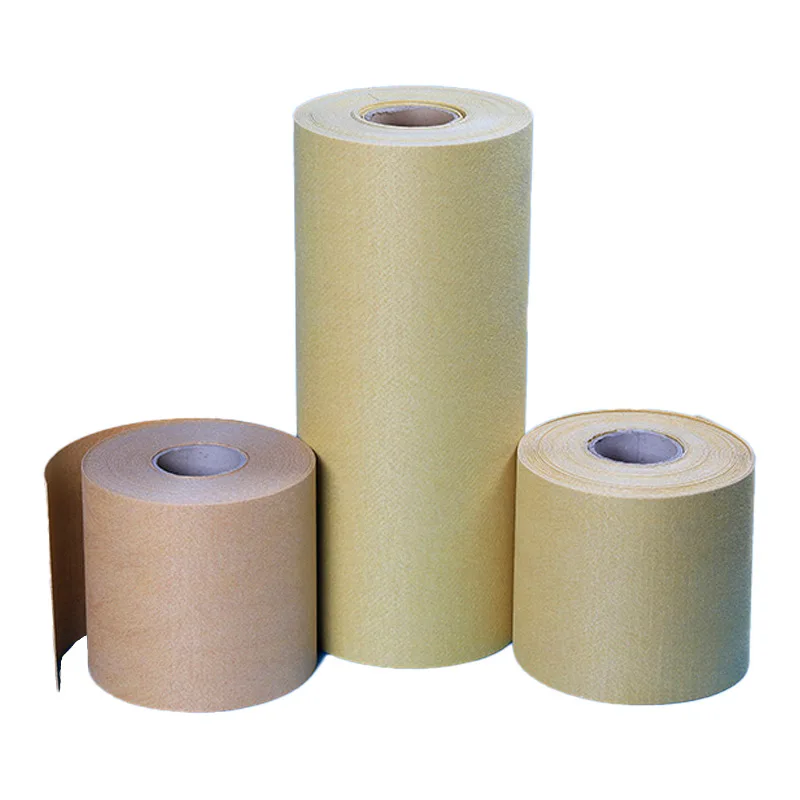
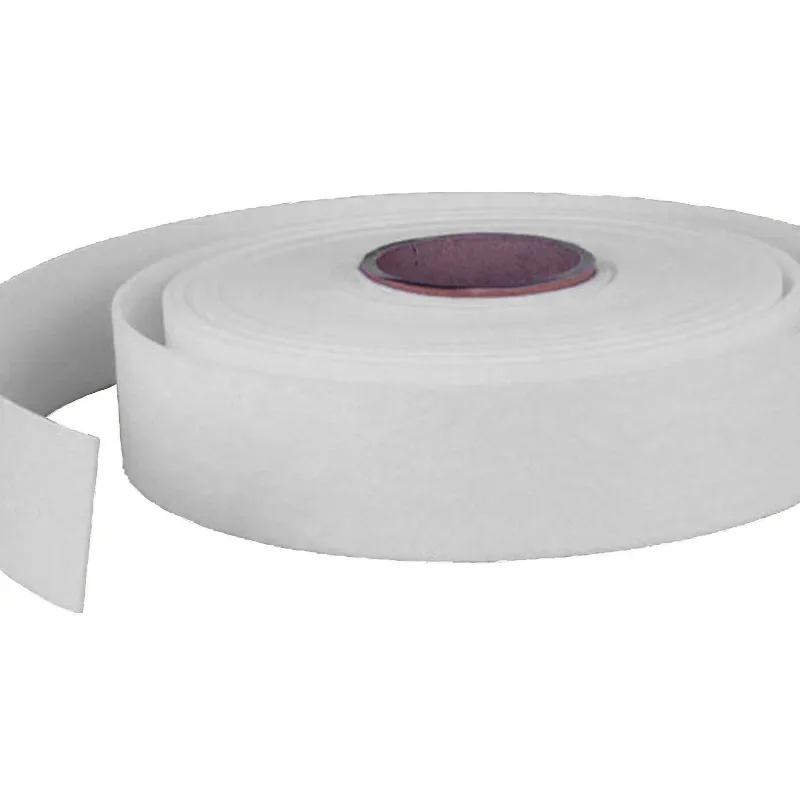
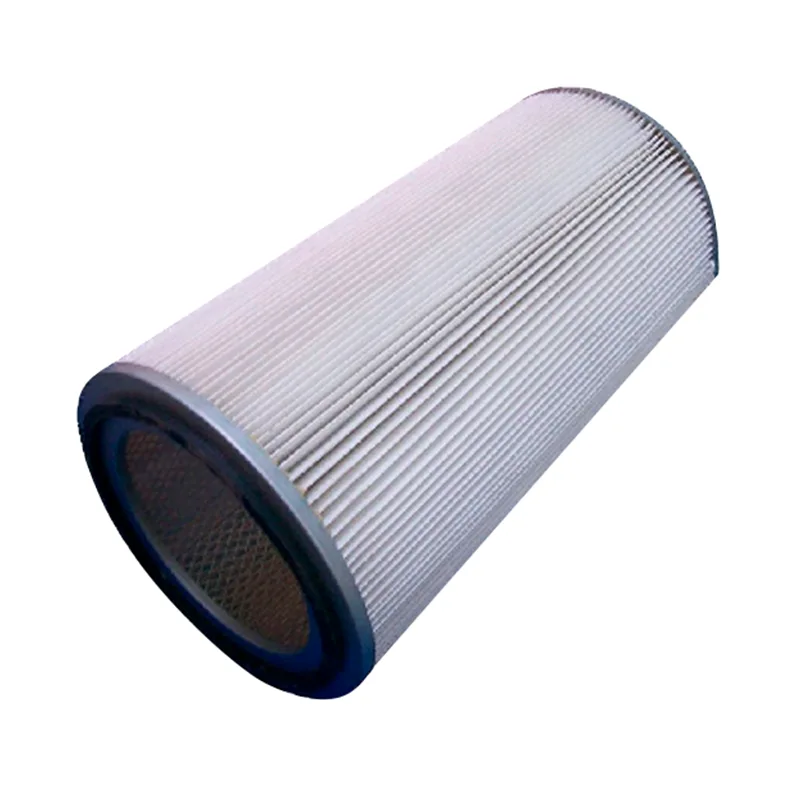
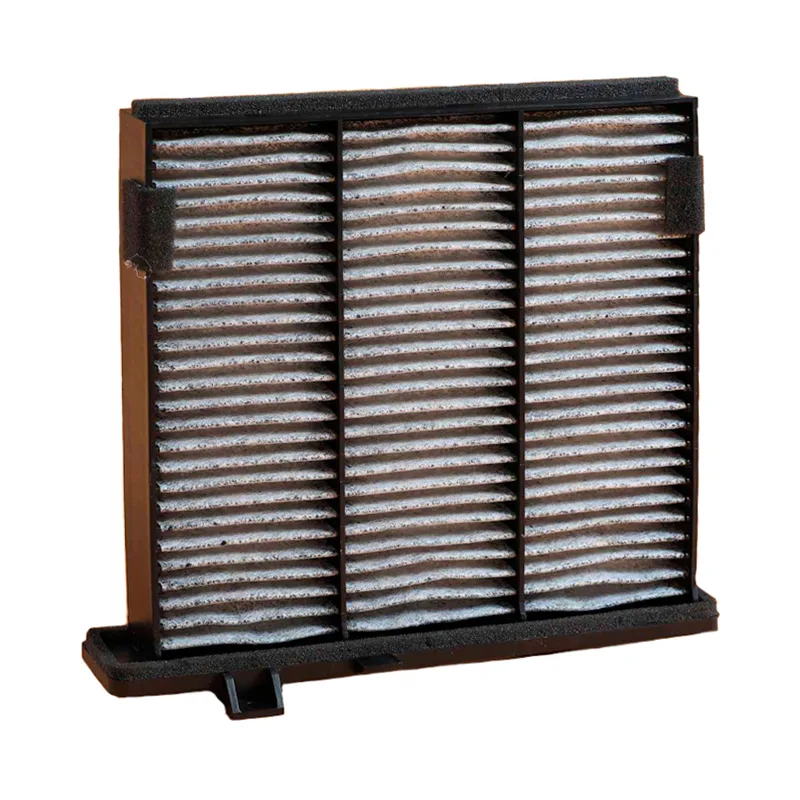
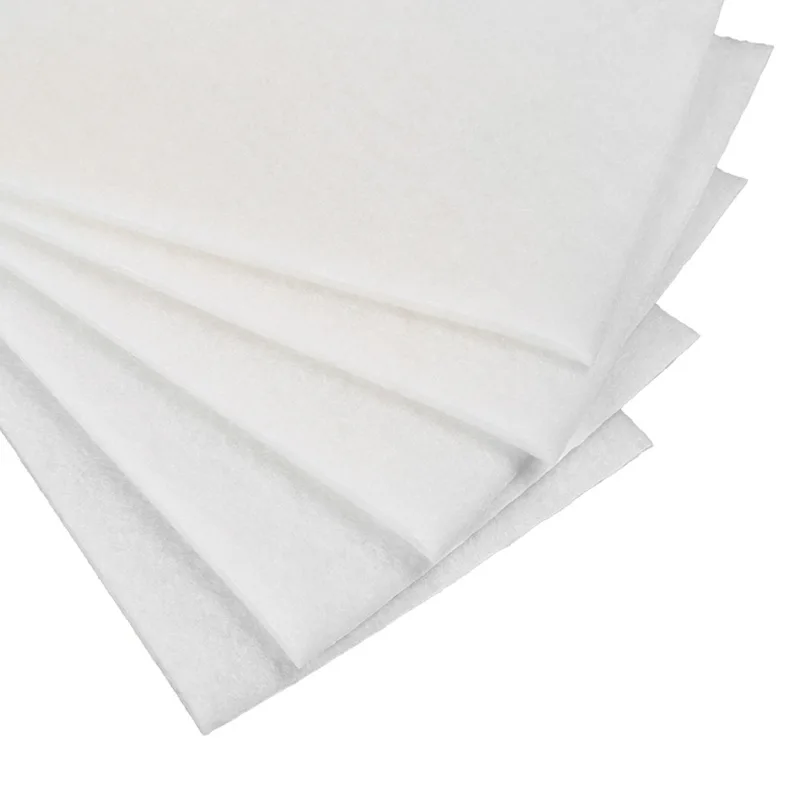
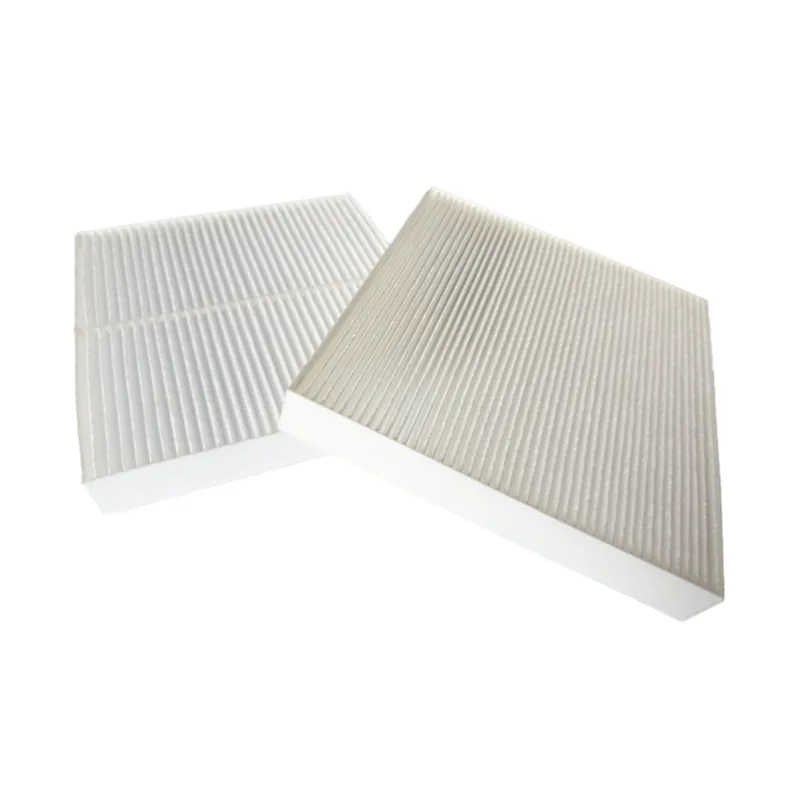
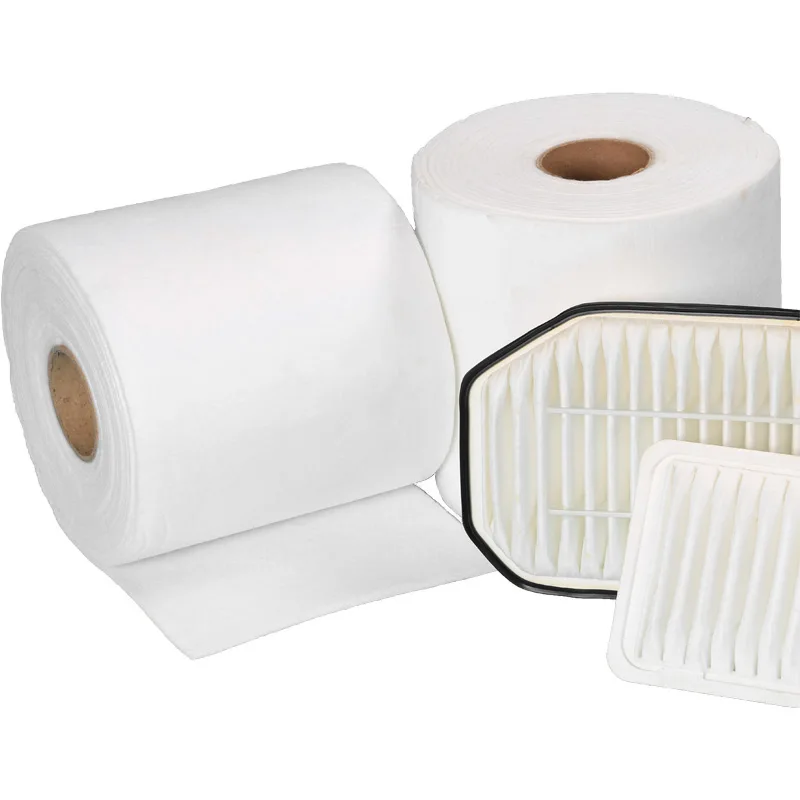
Engine pre-filter media is a specially designed filtration material used as the first-stage filtration layer in an engine air intake system. Its main function is to capture larger airborne particles before they reach the primary air filter.
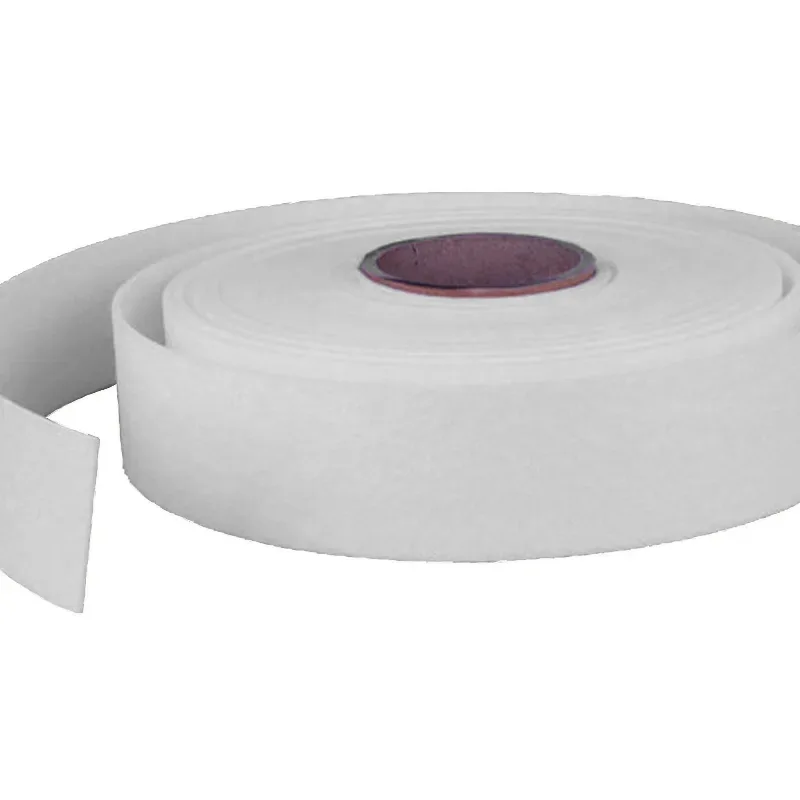
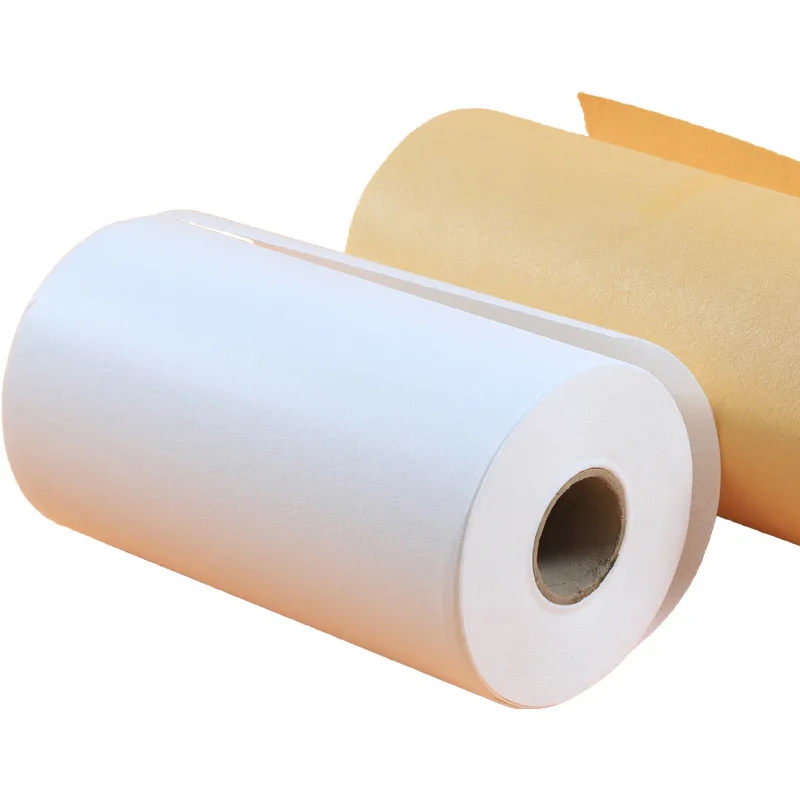
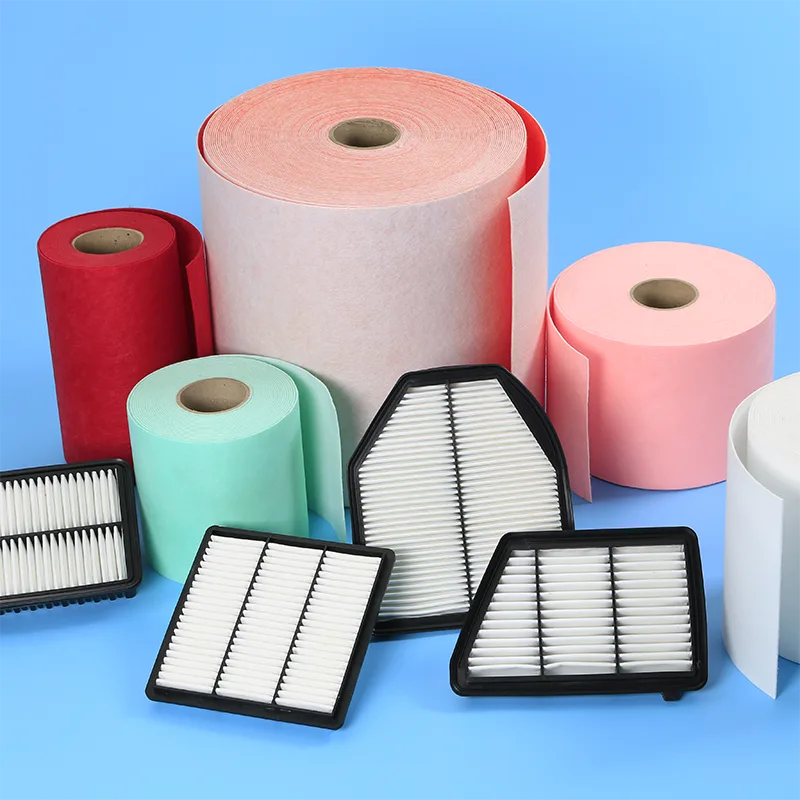
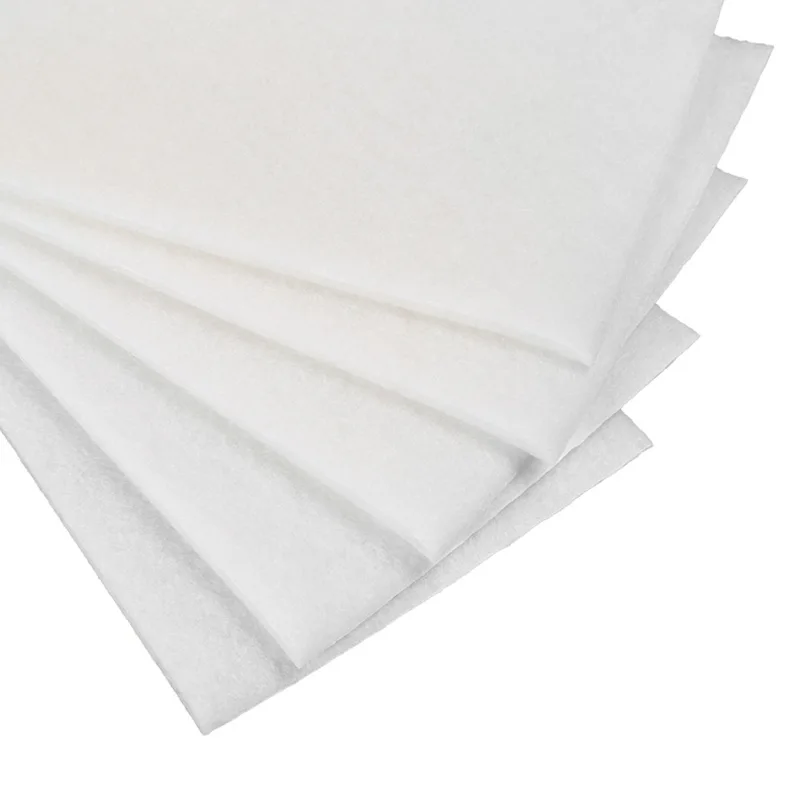
Most engine pre-filter media is manufactured using advanced fiber structures, including synthetic fibers, polyester fibers, polypropylene fibers, or other high-performance nonwoven materials. These materials are engineered to provide excellent particle capture efficiency while maintaining sufficient airflow.
| Feature | Description |
|---|---|
| Filtration Function | Captures dust, sand, and large particles before primary filtration |
| Material Structure | Multi-layer fiber network designed for efficient particle retention |
| Airflow Performance | Maintains sufficient airflow for engine combustion requirements |
| Durability | Designed to withstand vibration, temperature changes, and harsh environments |
High-quality engine pre-filter media is not simply a dust barrier. It is a carefully engineered filtration solution balancing filtration efficiency, pressure resistance, durability, and service life.
Why Is Engine Pre-Filter Media Important?
Many engine problems are directly related to contaminated air intake. When dust and particles enter an engine system, they can damage cylinders, pistons, valves, and other critical components. Engine pre-filter media helps prevent these problems by creating an effective protective barrier.
- Protects engine components: Reduces the risk of abrasive damage caused by airborne particles.
- Improves engine efficiency: Ensures cleaner air enters the combustion chamber.
- Extends filter replacement cycles: Reduces the workload of the main air filter.
- Reduces maintenance costs: Helps minimize frequent servicing and unexpected repairs.
- Supports stable operation: Maintains reliable performance in dusty and challenging environments.
For heavy-duty equipment operating in deserts, construction sites, farms, and industrial areas, the importance of pre-filtration becomes even more obvious. These environments contain high concentrations of airborne contaminants that can quickly reduce engine performance without proper protection.
How Does Engine Pre-Filter Media Work?
Engine pre-filter media works through a combination of mechanical filtration principles. When contaminated air enters the intake system, particles encounter the fiber structure of the media. Larger particles are trapped immediately, while smaller particles are captured through several filtration mechanisms.
- Interception: Particles following airflow paths contact fibers and become trapped.
- Impaction: Larger particles cannot follow air movement and collide with fibers.
- Diffusion: Small particles move randomly and attach to fiber surfaces.
- Mechanical blocking: The layered structure prevents contaminants from passing through.
A well-designed pre-filter media structure allows clean air to pass through while preventing harmful contaminants from entering deeper engine components.
Effective engine filtration requires a balance between:
- High dust holding capacity
- Low airflow resistance
- Strong fiber stability
- Long operating lifespan
Key Benefits of High-Performance Engine Pre-Filter Media
Choosing the right engine pre-filter media can significantly improve the overall performance and reliability of an engine filtration system. Low-quality filtration materials may create airflow restrictions, require frequent replacement, and fail to provide sufficient protection in harsh environments. High-performance media solves these issues by combining filtration efficiency, durability, and stable airflow.
| Benefit | Impact on Engine Performance |
|---|---|
| Improved Contaminant Capture | Prevents dust and particles from reaching sensitive engine components |
| Longer Filter Service Life | Reduces the load on the primary air filter and extends replacement intervals |
| Better Airflow Efficiency | Maintains sufficient air supply for efficient combustion |
| Reduced Maintenance Frequency | Helps lower operating expenses and equipment downtime |
| Enhanced Environmental Adaptability | Provides reliable filtration performance in dusty and extreme conditions |
For fleet operators and equipment manufacturers, these advantages translate into improved productivity and lower total ownership costs. A properly selected engine pre-filter media can help equipment maintain consistent performance even during continuous operation.
Common Materials Used in Engine Pre-Filter Media
The material selection of engine pre-filter media directly affects filtration efficiency, durability, and application performance. Different industries may require different material characteristics depending on operating conditions.
| Material Type | Main Characteristics | Typical Applications |
|---|---|---|
| Polyester Nonwoven | Strong mechanical strength, good durability, excellent dimensional stability | Heavy equipment, industrial engines, vehicles |
| Polypropylene Nonwoven | Lightweight, chemical resistance, moisture resistance | General filtration applications |
| Synthetic Fiber Blend | Optimized filtration efficiency and airflow balance | High-performance engine systems |
| Composite Nonwoven Material | Multi-layer protection and increased dust holding capacity | Demanding industrial environments |
Among these options, nonwoven filtration materials are widely preferred because their fiber arrangement can be customized according to specific filtration requirements. Manufacturers can adjust fiber density, thickness, surface treatment, and layer structure to achieve different levels of performance.
How to Select the Right Engine Pre-Filter Media?
Selecting suitable engine pre-filter media requires considering more than filtration efficiency alone. Different engines operate under different environmental conditions, so the filtration material should match the actual application requirements.
The following factors should be carefully evaluated:
- Particle Capture Efficiency: Choose media that can effectively remove the major contaminants present in the operating environment.
- Airflow Resistance: A good pre-filter should capture particles without restricting necessary airflow.
- Dust Holding Capacity: Higher capacity means longer service life and fewer maintenance interruptions.
- Mechanical Strength: The material should withstand vibration, pressure changes, and repeated operation.
- Environmental Compatibility: Consider temperature, humidity, chemicals, and exposure conditions.
- Customization Capability: Industrial applications may require different thicknesses, structures, or filtration grades.
A professional filtration material supplier can provide technical recommendations based on engine type, working environment, and performance expectations.
Comparison of Different Filter Media Types
| Filter Media Type | Advantages | Limitations |
|---|---|---|
| Paper Filter Media | Low cost and widely available | Lower durability and limited moisture resistance |
| Foam Filter Media | Good dust absorption and washable characteristics | May require more maintenance |
| Nonwoven Engine Pre-Filter Media | High durability, customizable structure, excellent filtration performance | Requires professional material selection |
Compared with traditional materials, advanced nonwoven engine pre-filter media provides a better balance between protection efficiency and airflow performance. This makes it suitable for modern engines that require higher reliability and longer operating cycles.
Applications of Engine Pre-Filter Media
Engine pre-filter media is used in a wide range of industries where engine protection and reliable air filtration are essential.
- Construction Equipment: Excavators, loaders, bulldozers, and other machinery working in dusty environments.
- Agricultural Machinery: Tractors, harvesters, and farming equipment exposed to soil particles and outdoor contaminants.
- Mining Equipment: Heavy-duty machines operating in areas with high concentrations of dust and mineral particles.
- Transportation Vehicles: Trucks, buses, and commercial vehicles requiring long-term engine protection.
- Industrial Generators: Diesel generators and power equipment requiring stable air intake conditions.
In these applications, engine reliability directly affects productivity. Effective pre-filtration helps reduce unexpected failures and ensures equipment continues operating efficiently.
Frequently Asked Questions
Q1: What is the main function of engine pre-filter media?
Engine pre-filter media works as the first protection layer in an engine air intake system. Its main function is to capture larger dust particles, sand, and airborne contaminants before they reach the primary air filter. By reducing the amount of contamination entering the main filter, it helps improve filtration efficiency, extend filter lifespan, and protect engine components from damage.
Q2: How does engine pre-filter media improve engine performance?
High-quality engine pre-filter media maintains cleaner airflow by removing harmful particles before combustion. Cleaner air improves fuel combustion efficiency, reduces engine wear, supports stable power output, and decreases maintenance requirements. For equipment operating in dusty environments, effective pre-filtration can significantly improve reliability and service life.
Q3: Can engine pre-filter media be customized for different applications?
Yes. Professional filtration material manufacturers can customize engine pre-filter media according to different requirements, including material type, thickness, fiber structure, filtration efficiency, airflow resistance, and environmental conditions. Customized solutions are commonly used for heavy machinery, industrial equipment, automotive systems, and special operating environments.
Q4: Why are nonwoven materials widely used for engine pre-filter media?
Nonwoven materials provide excellent flexibility in filtration design. Their fiber structure can be adjusted to achieve high dust holding capacity, strong mechanical performance, and efficient airflow. Compared with many traditional filtration materials, nonwoven media offers better durability and customization possibilities for modern engine protection needs.
Conclusion
Engine pre-filter media is an essential component for improving engine protection, filtration efficiency, and equipment reliability. As engines continue to operate in increasingly challenging environments, traditional filtration solutions may not always provide sufficient protection against dust, particles, and contaminants.
A high-quality pre-filter media solution creates an effective first barrier against harmful particles while maintaining proper airflow. It helps reduce engine wear, extend filter replacement intervals, lower maintenance costs, and improve overall operational efficiency.
When selecting engine pre-filter media, businesses should consider filtration performance, durability, airflow requirements, environmental conditions, and customization capabilities. Choosing the right filtration material supplier ensures that the product meets specific application needs and delivers consistent performance.
With advanced nonwoven material technology and professional manufacturing experience, Biaodian Nonwovens technology Co., Ltd provides reliable filtration material solutions designed for various industrial applications. The company focuses on developing high-performance nonwoven products that combine excellent filtration efficiency, durability, and customized design capabilities.
Whether you need engine filtration materials for automotive systems, construction equipment, agricultural machinery, or industrial applications, selecting a dependable filtration partner can help improve product performance and create long-term value.
Looking for Reliable Engine Pre-Filter Media Solutions?
Biaodian Nonwovens technology Co., Ltd is committed to providing high-quality nonwoven filtration materials with stable performance, professional customization services, and dependable supply capability.
For more information about engine pre-filter media specifications, customized filtration solutions, or cooperation opportunities, please contact us today. Our professional team will help you find the right filtration material solution for your application.
Related News
- What Makes a Non-Woven Oil Filter Gasket Reliable for Demanding Filtration Applications?
- What Makes a Cabin Filter Fleece Band Essential for Reliable Filter Construction?
- How Does Diesel Filter Media Improve Fuel Filtration Performance?
- How Does Carbon Canister Filter Media Improve Odor and Contaminant Control?
- What Makes PP Air Filter Media Effective for Modern Air Filtration?
- What Makes Non-Woven Oil Filter Gasket Essential for Better Filtration Performance?
Leave me a message