Email Us

3L@3L.GD.CN

News

What Makes Gasoline Engine Oil Filter Media Critical for Engine Performance?

2026-06-30 0 Leave me a message

Gasoline engines depend heavily on clean lubrication systems to ensure long-term durability, fuel efficiency, and stable performance. At the core of every oil filtration system lies the oil filter media—a specialized material responsible for capturing contaminants, regulating oil flow, and protecting engine components from premature wear. This article explores the structure, materials, performance parameters, manufacturing processes, and selection strategies of gasoline engine oil filter media. It also addresses common user pain points such as clogging, pressure drop, and inefficient filtration. By the end, readers will gain a deep technical and practical understanding of how filter media directly influences engine reliability and operational cost.

gasoline engine oil filter media


Table of Contents


1. Introduction to Gasoline Engine Oil Filter Media

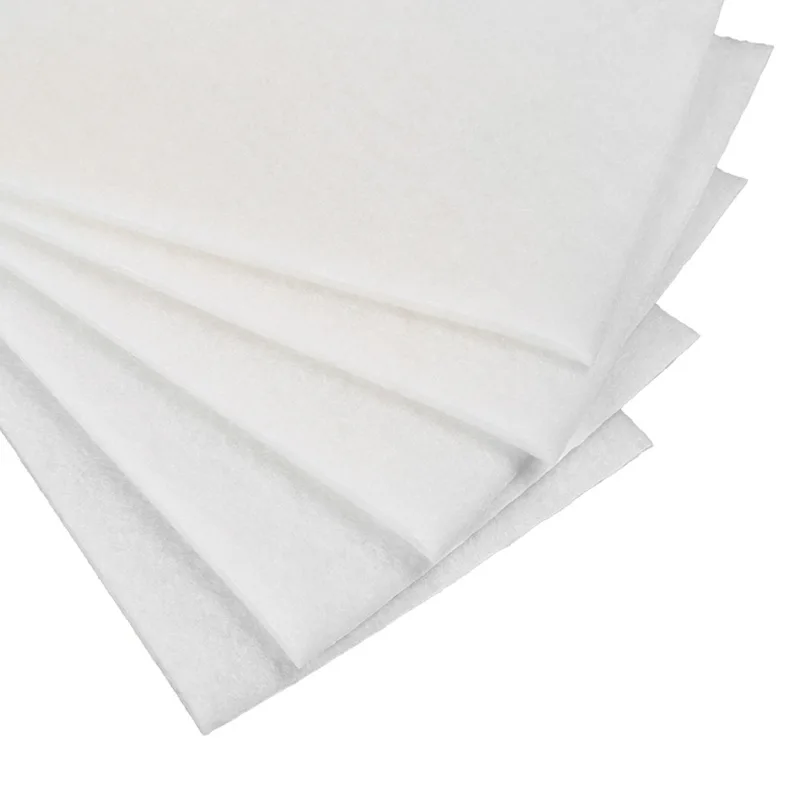
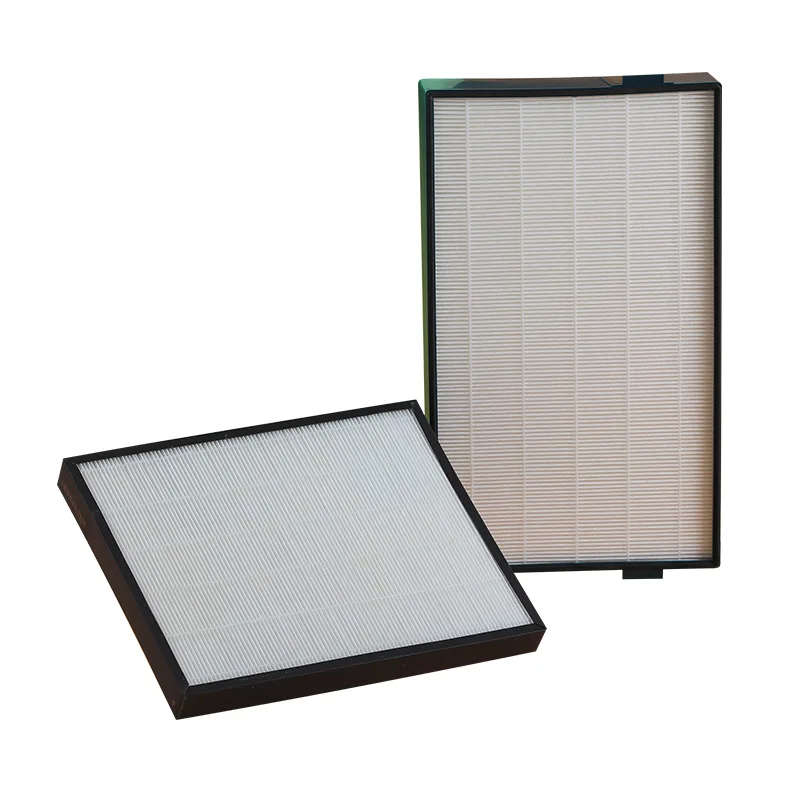
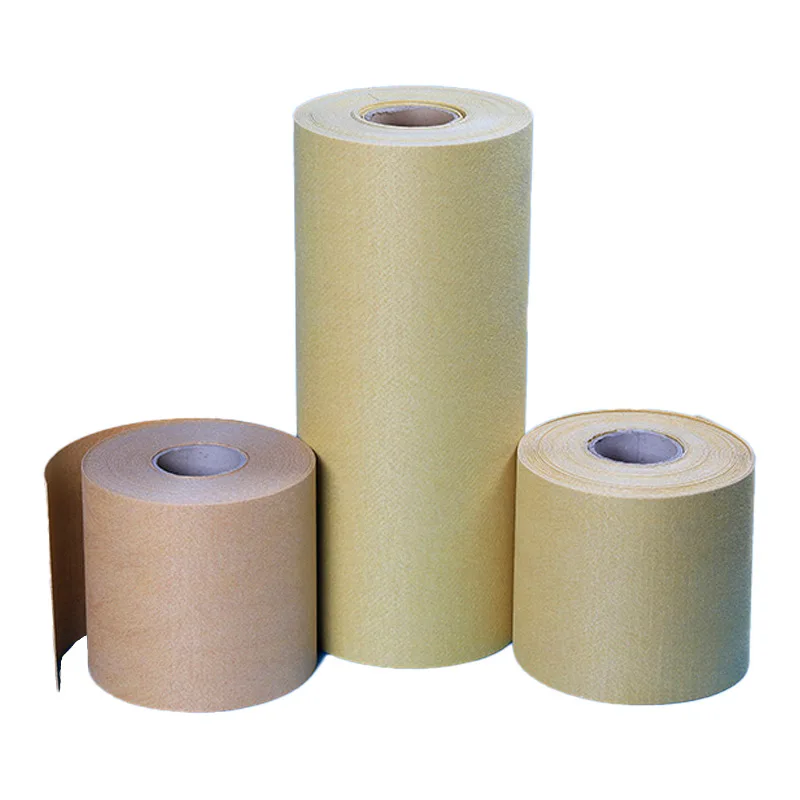
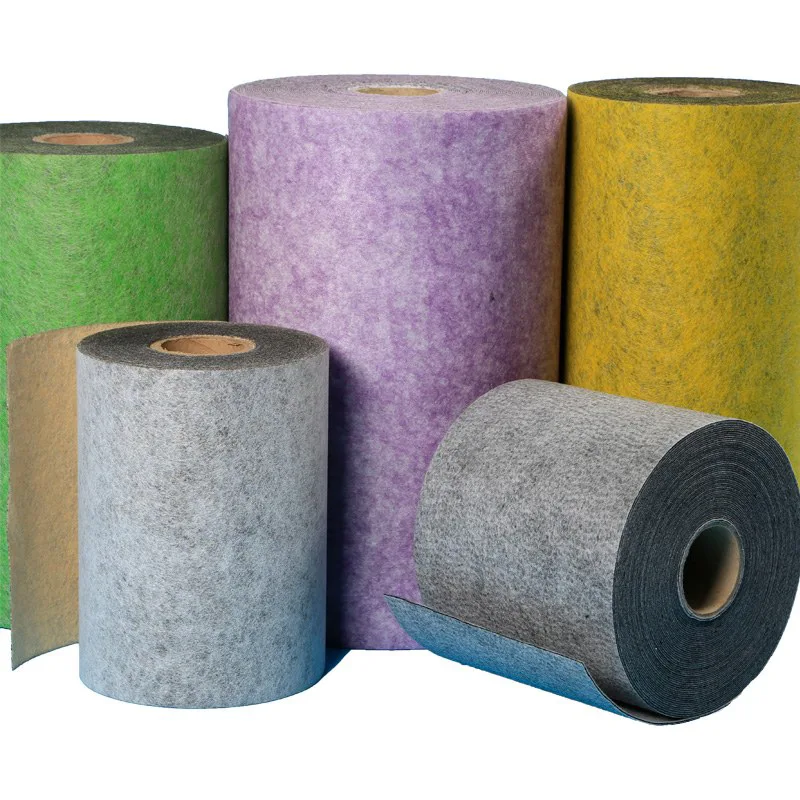
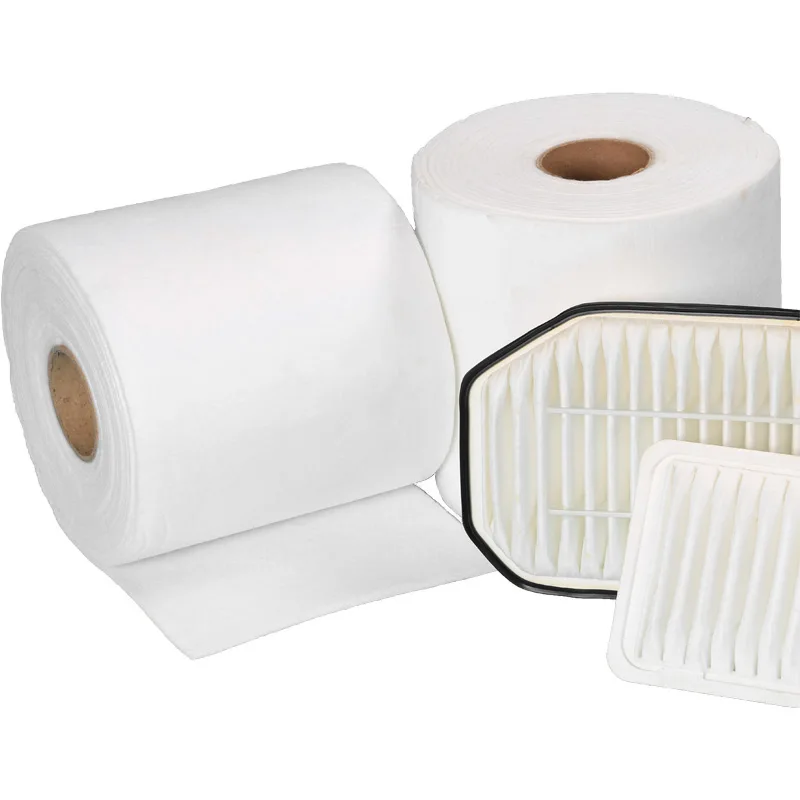
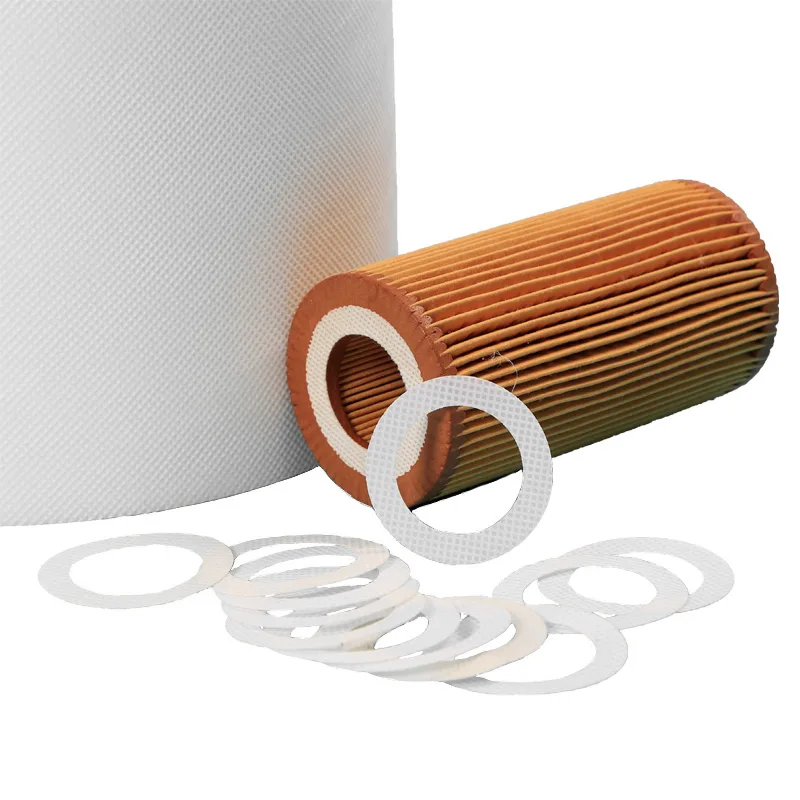
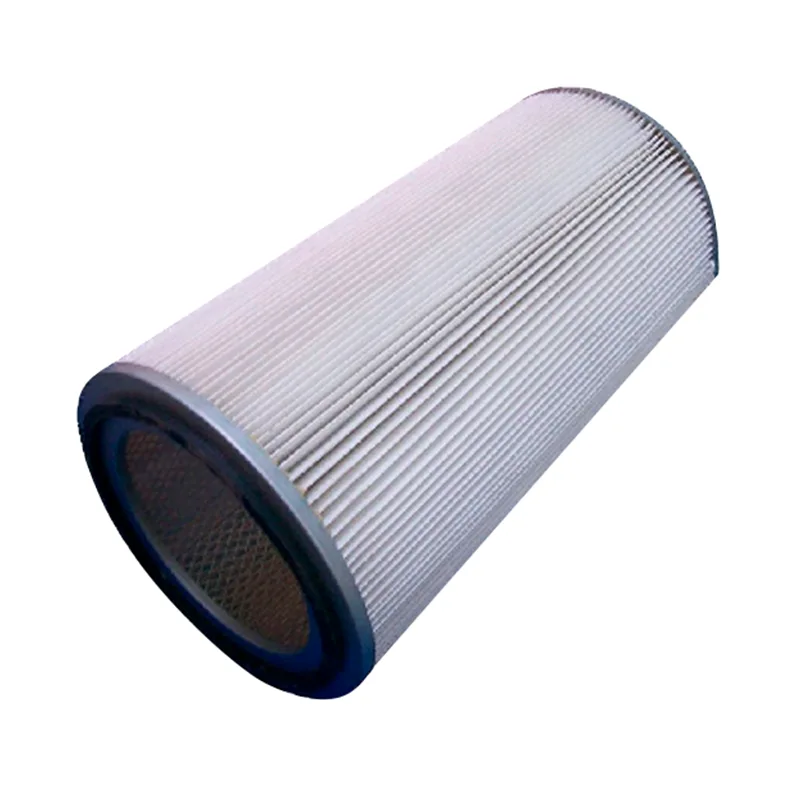
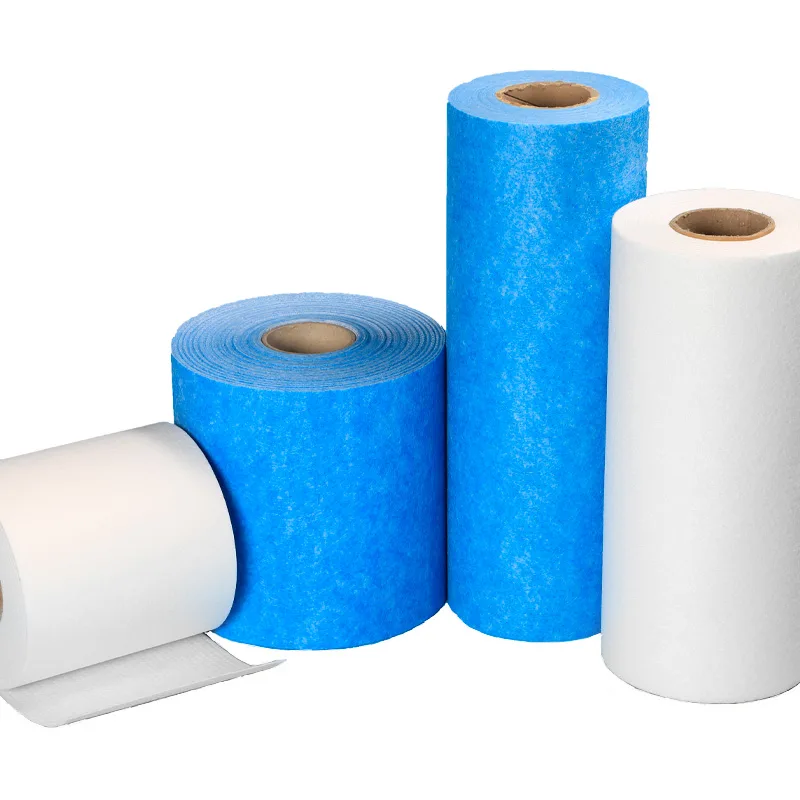
Gasoline engine oil filter media is the heart of an oil filter cartridge. It is the porous material that physically traps contaminants such as carbon deposits, metal particles, dust, and sludge circulating within engine oil. As engines become more compact and high-performance oriented, the demand for advanced filtration materials has increased significantly.

Modern filter media is no longer just a simple paper barrier. It is a carefully engineered composite structure designed to balance filtration efficiency, oil flow resistance, and dirt-holding capacity. Without high-quality filter media, even the most advanced engine design can suffer from rapid wear, reduced efficiency, and eventual failure.


2. Why Oil Filter Media Matters in Engine Protection

The engine oil system continuously circulates lubricant under high temperature and pressure conditions. During this process, contaminants are inevitably generated. If not properly removed, these particles can cause severe damage to engine components such as pistons, crankshafts, and camshafts.

Key protective roles of filter media:
  • Captures abrasive particles that cause mechanical wear
  • Maintains stable oil flow under varying pressure conditions
  • Extends oil life by reducing contamination levels
  • Improves engine efficiency and fuel economy
  • Reduces maintenance frequency and cost

In short, the oil filter media acts as the engine’s first line of defense against internal contamination.


3. Types of Oil Filter Media Materials

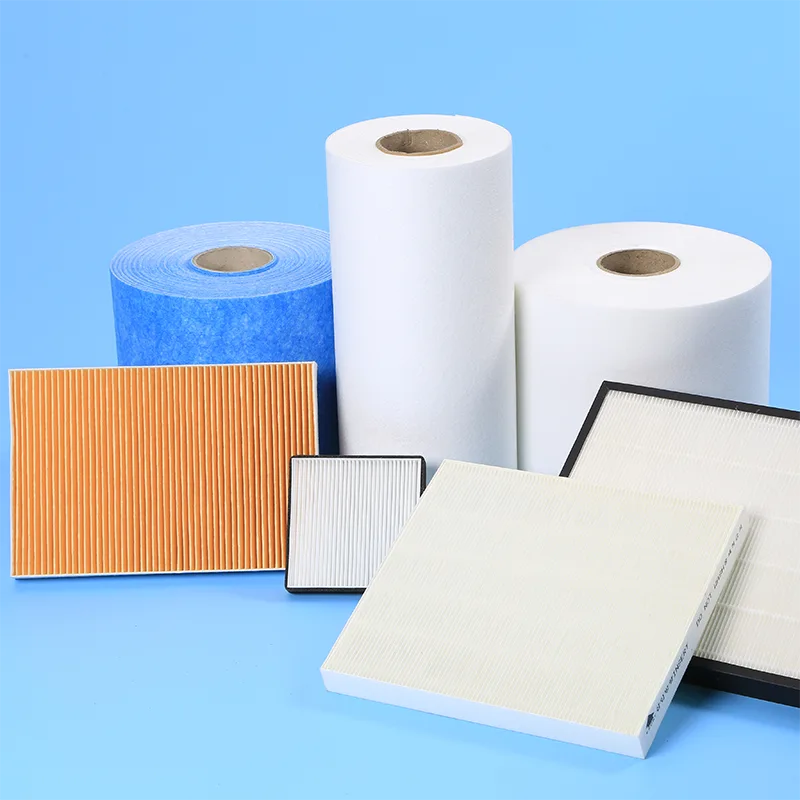
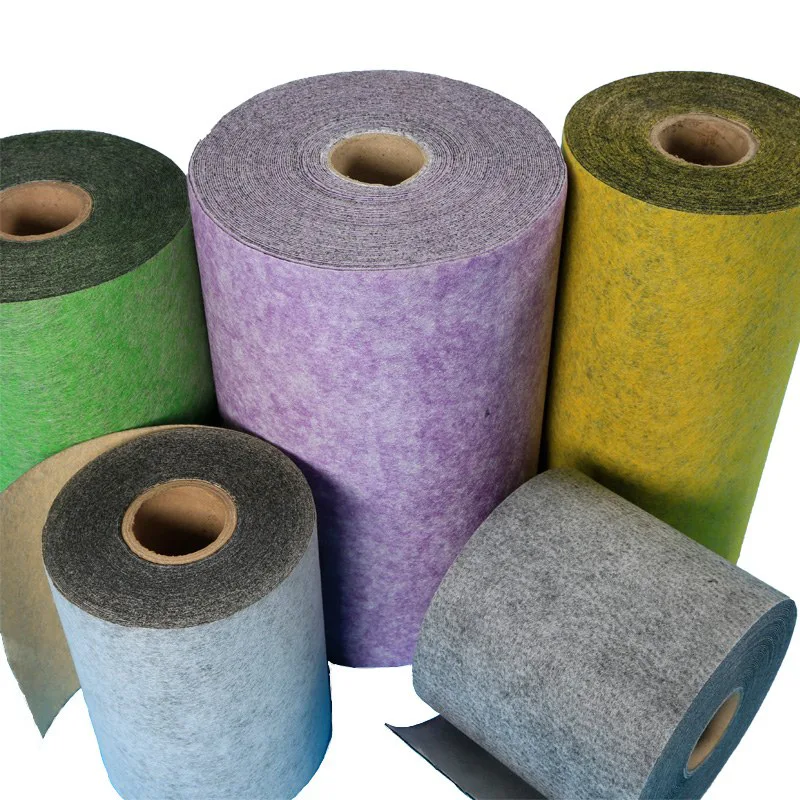
Different applications require different filter media structures. The most commonly used materials in gasoline engine oil filters include cellulose, synthetic fibers, glass fiber composites, and blended media.

3.1 Cellulose Filter Media

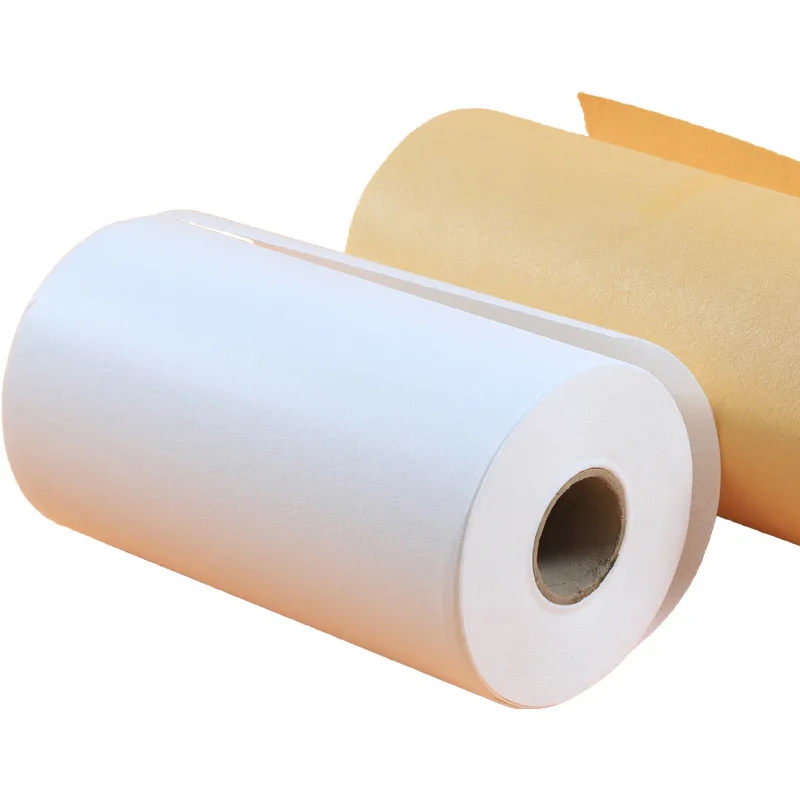
Cellulose is derived from wood pulp and is widely used due to its low cost and good dirt-holding capacity. However, it has limitations in high-temperature environments and may degrade faster compared to synthetic alternatives.

3.2 Synthetic Fiber Media

Synthetic fibers, such as polyester and polypropylene, offer higher durability and better filtration efficiency. They are commonly used in modern high-performance engines.

3.3 Glass Fiber Media

Glass fiber media provides superior filtration precision and is often used in premium automotive applications. It can capture extremely fine particles while maintaining stable flow resistance.

3.4 Composite Media

Composite structures combine cellulose and synthetic fibers to achieve a balance between cost, efficiency, and durability. This is currently one of the most widely used solutions in the automotive industry.


4. Key Performance Parameters

The performance of gasoline engine oil filter media is defined by several technical parameters that determine how effectively it protects the engine.

Parameter Description Importance
Filtration Efficiency Ability to capture particles of specific sizes Directly affects engine wear protection
Micron Rating Smallest particle size filtered Lower micron = finer filtration
Dirt Holding Capacity Total contaminant volume retained Extends service life of filter
Pressure Drop Resistance to oil flow Must remain low to avoid engine strain

A high-quality filter media must strike a balance between high efficiency and low pressure drop, ensuring smooth oil circulation while capturing harmful particles.


5. Manufacturing Process and Technology

The production of oil filter media involves advanced nonwoven technology and precise material engineering. The process determines the final performance and durability of the filter.

Main production steps:
  1. Raw fiber selection and blending
  2. Web formation using air-laid or wet-laid processes
  3. Resin impregnation for strength enhancement
  4. Thermal curing and drying
  5. Corrugation and pleating
  6. Quality inspection and performance testing

Advanced manufacturers also apply nano-coating technologies to improve particle capture efficiency without increasing resistance.


6. How to Choose the Right Filter Media

Selecting the correct gasoline engine oil filter media depends on engine type, operating environment, and performance expectations.

Selection guidelines:
  • Passenger vehicles: Composite or cellulose-based media is typically sufficient
  • High-performance engines: Synthetic or glass fiber media is recommended
  • Heavy-duty usage: High dirt-holding capacity media is required
  • Extreme climates: Heat-resistant synthetic fibers are preferred

Incorrect selection may result in premature clogging or insufficient filtration, both of which can damage the engine over time.


7. Common Problems and User Pain Points

Many engine issues are indirectly related to poor filter media quality or incorrect usage. Understanding these problems helps in prevention and optimization.

Common issues include:
  • Premature clogging due to low dirt-holding capacity
  • Oil starvation caused by excessive pressure drop
  • Reduced engine performance due to poor filtration efficiency
  • Material degradation under high temperature conditions
  • Short service life leading to frequent replacement costs

These problems highlight the importance of investing in high-quality oil filter media rather than focusing solely on cost reduction.


8. Testing Standards and Quality Control

To ensure reliability, oil filter media must undergo strict testing procedures before being approved for automotive use.

Key testing methods:
  • Particle filtration efficiency testing
  • Burst strength and tensile strength testing
  • Flow resistance measurement
  • Thermal aging resistance evaluation
  • Contaminant retention analysis

Quality control ensures that each batch of filter media performs consistently under real-world engine conditions.


9. Applications in Modern Gasoline Engines

Gasoline engine oil filter media is widely used across various automotive sectors, including passenger cars, motorcycles, hybrid vehicles, and performance racing engines.

  • Passenger vehicles for daily commuting
  • High-performance sports cars requiring precision filtration
  • Hybrid engines with complex lubrication cycles
  • Light commercial vehicles operating under load stress

As engine technologies evolve, filter media continues to adapt to higher efficiency and sustainability requirements.


10. Maintenance and Replacement Guidelines

Proper maintenance of oil filter systems ensures optimal engine performance and long service life.

Best practices:
  • Replace oil filters at recommended intervals
  • Avoid using low-quality or counterfeit filters
  • Monitor oil pressure regularly
  • Inspect for leaks or abnormal engine noise

Ignoring replacement cycles can lead to severe engine damage due to clogged filter media and reduced oil circulation.
11. Comparison Table of Filter Media Types

Type Efficiency Durability Cost Application
Cellulose Medium Low Low Standard vehicles
Synthetic Fiber High High Medium Modern engines
Glass Fiber Very High Very High High Premium performance engines
Composite High Medium-High Medium General automotive use

12. Frequently Asked Questions

Q1: What is the main function of oil filter media?
It removes contaminants from engine oil to protect internal engine components from wear and damage.

Q2: How often should oil filter media be replaced?
It depends on vehicle usage, but typically every oil change interval recommended by the manufacturer.

Q3: What is the best filter media for high-performance engines?
Synthetic or glass fiber media is preferred due to its high efficiency and durability.

Q4: Can poor filter media damage an engine?
Yes, inefficient filtration can lead to contamination buildup, increasing wear and reducing engine life.


13. Conclusion and Industry Outlook

Gasoline engine oil filter media is a critical component that directly influences engine reliability, performance, and longevity. As automotive technology continues to evolve, the demand for higher efficiency, longer service life, and environmentally friendly filtration solutions is increasing rapidly.

Future developments are expected to focus on nanofiber technology, smart filtration systems, and sustainable materials that reduce environmental impact while improving engine protection.

Manufacturers that invest in advanced nonwoven technology and precision engineering will play a key role in shaping the next generation of automotive filtration systems.


Biaodian Nonwovens Technology Co., Ltd is committed to delivering high-quality filtration materials designed for modern automotive applications. Our advanced oil filter media solutions are engineered to enhance engine performance, extend service life, and reduce maintenance costs.

If you are looking for reliable and customized gasoline engine oil filter media solutions, contact us today to explore how we can support your business with stable quality, technical expertise, and scalable production capacity.

Related News
Leave me a message
X
We use cookies to offer you a better browsing experience, analyze site traffic and personalize content. By using this site, you agree to our use of cookies.Privacy Policy
RejectAccept